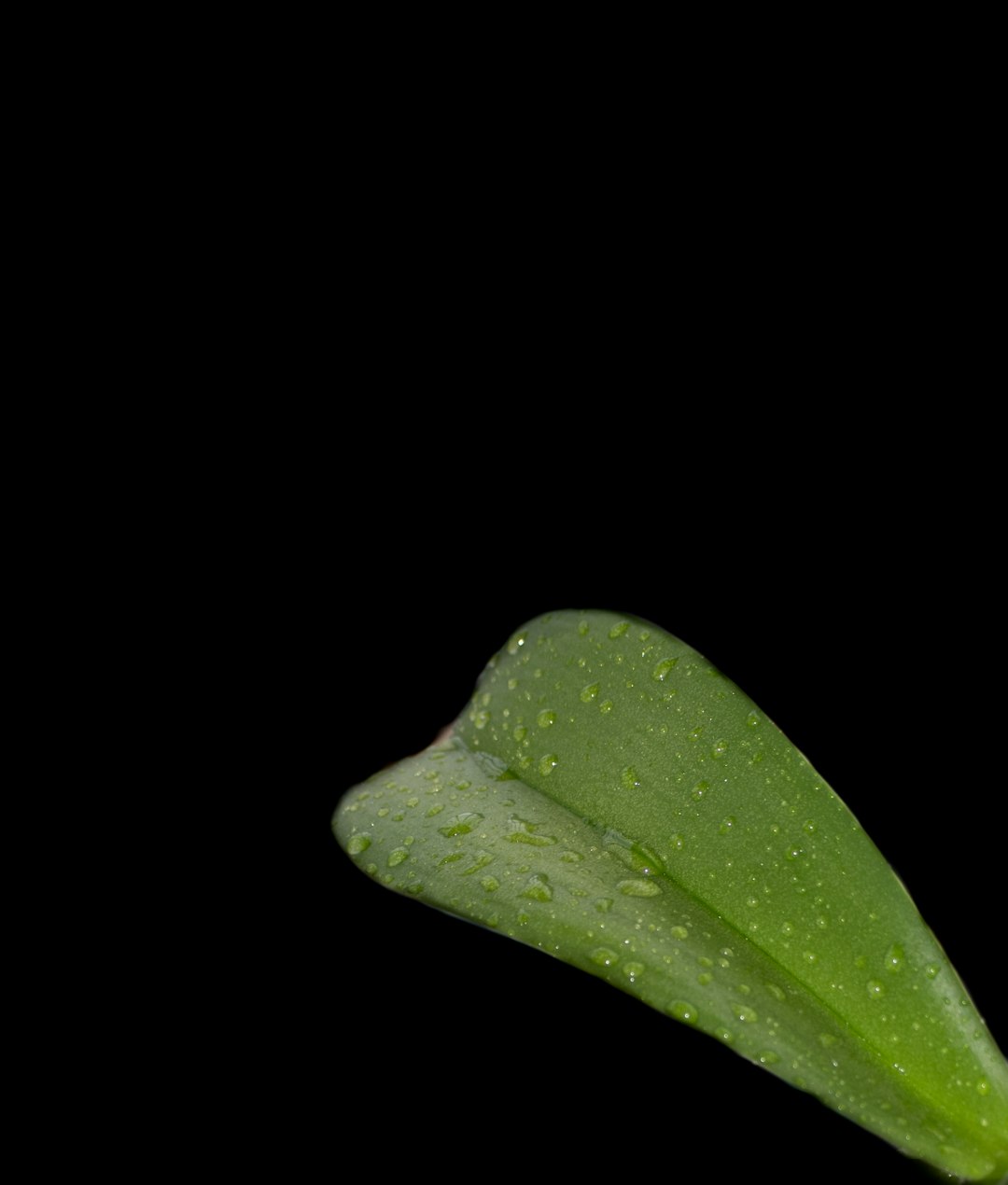
Discovering little white spots on your beloved plant leaves can be a disheartening sight for any gardener, quickly turning the joy of nurturing greenery into a puzzle of potential problems. These mysterious markings, ranging from tiny specks to fuzzy patches, often signal an underlying issue that demands attention. Far from being a mere aesthetic concern, white spots are frequently a symptom of various biotic and abiotic stressors impacting your plant’s health. Understanding the root cause is paramount to effective treatment and ensuring your plants thrive. This article will delve into the most common culprits behind these white blemishes, exploring everything from microscopic pests and fungal infections to environmental factors and cultural practices. By shedding light on these mysteries, we aim to equip you with the knowledge needed to diagnose and remedy these common plant ailments confidently.
Pests: The tiny culprits
One of the most frequent causes of white spots on plant leaves is the unwelcome presence of common garden and houseplant pests. These tiny invaders often feed on plant sap, leaving behind characteristic markings. Identifying the specific pest is the first step toward effective eradication.
- Spider mites: These minute arachnids are barely visible to the naked eye but their damage is unmistakable. They pierce plant cells to feed on chlorophyll, resulting in tiny, pin-prick sized white or yellow stippling on the leaves, especially on the undersides. In severe infestations, you might also notice fine webbing connecting leaves and stems. Plants often appear dull and unhealthy.
- Mealybugs: These soft-bodied, cottony insects are easily recognizable by the white, waxy, mealy-looking secretions that cover their bodies and eggs. They typically congregate in leaf axils, along stems, and on the undersides of leaves, sucking sap and causing white, fuzzy spots. Mealybugs also excrete a sticky substance called honeydew, which can lead to the growth of sooty mold, further blackening the leaf surface.
- Whiteflies: Small, white, winged insects that flutter when disturbed, whiteflies are often found in clusters on the undersides of leaves. Like mealybugs, they feed on sap and produce honeydew, which can attract sooty mold. While the insects themselves are white, their feeding can lead to yellowing and weakening of leaves, and their presence can resemble small white specks if viewed from a distance.
- Thrips: Though not always a primary cause of white spots, thrips can also cause silvery or white streaks and stippling on leaves as they feed by rasping plant tissue and sucking up the exuded sap. Their damage can sometimes be mistaken for other pests or diseases.
Each of these pests weakens the plant by depriving it of essential nutrients, leading to stunted growth, distorted leaves, and overall decline if left unchecked.
Fungal diseases: A powdery menace
Beyond pests, certain fungal infections are notorious for manifesting as distinctive white spots or patches on plant foliage. The most prevalent of these is powdery mildew.
- Powdery mildew: This is perhaps the most common fungal disease presenting as white spots. It appears as powdery, flour-like patches on the surface of leaves, stems, and sometimes even flowers and fruit. Unlike some other leaf spots that might be embedded in the leaf tissue, powdery mildew is a superficial growth, meaning it can often be gently rubbed off (though this isn’t a recommended treatment). Caused by various species of fungi (e.g., *Erysiphe* and *Podosphaera*), it thrives in conditions of high humidity, poor air circulation, and moderate temperatures. The fungi send tiny feeding tubes into the plant’s epidermal cells, drawing out nutrients. While it rarely kills the host plant outright, severe infections can significantly reduce photosynthesis, distort leaves, stunt growth, and cause premature leaf drop.
- Downy mildew: While less common for producing *white* spots, downy mildew can sometimes cause pale yellow or white patches on the upper leaf surface, with fuzzy grayish-white growth on the underside. It requires very humid conditions to proliferate and is often confused with powdery mildew, though they are distinct diseases with different management strategies.
Proper identification is crucial because treating a fungal infection with an insecticide will be ineffective, and vice versa. Fungal issues typically require improved environmental conditions and/or specific fungicides.
Environmental and cultural factors: Not always a disease
Sometimes, those baffling white spots have nothing to do with living organisms and are instead a result of environmental conditions or cultural practices. These abiotic stressors are often overlooked but are equally important to diagnose.
- Mineral deposits from hard water: If you regularly water your plants with tap water that has a high mineral content (hard water), you might notice white, crusty spots or rings on the leaves after the water evaporates. These are typically calcium and magnesium deposits. They are harmless to the plant itself, but can be unsightly and might impede light absorption if severe. They are usually easily wiped off.
- Chemical residue or burn: Overspray from pesticides, fungicides, or even foliar fertilizers can leave behind white or bleached spots on leaves. If chemicals are applied in too strong a concentration or under harsh sunlight, they can cause a chemical burn, resulting in white, crispy, necrotic patches. Similarly, some types of integrated pest management (IPM) sprays, like kaolin clay, are intentionally applied as a white coating to deter pests.
- Sunburn or sun scald: Plants moved too quickly into intense sunlight, or those naturally sensitive to strong light, can develop bleached white patches on their leaves. These areas often become dry and crispy to the touch as the chlorophyll is destroyed. This is particularly common when moving indoor plants outdoors for the summer without proper acclimatization.
- Natural variegation: In some cases, what appears to be a “spot” might simply be the plant’s natural genetic variegation. Many plants have cultivars with white, cream, or yellow patterns on their leaves. These patterns are typically consistent, symmetrical, and do not show signs of damage or deterioration. If your plant has always had these markings, it is likely just its natural beauty.
Understanding these non-pest or non-disease causes can prevent unnecessary panic and incorrect treatments, allowing for simpler adjustments to your plant care routine.
Diagnosis and practical solutions
Accurately diagnosing the cause of white spots is the linchpin of effective treatment. A systematic approach to observation, combined with knowledge of the common culprits, will guide you toward the correct solution.
Step-by-step diagnosis:
- Inspect closely: Use a magnifying glass if available. Look at both the top and underside of leaves, stems, and new growth.
- Touch test: Can the white spots be easily rubbed off?
- If yes: It could be hard water deposits (wipe clean), powdery mildew (brush off), or some pests like mealybugs (cottony mass).
- If no: It might be pest stippling, sunburn, chemical burn, or natural variegation.
- Look for movement or physical bodies: Are there tiny insects? Webs? Cottony masses?
- Consider environmental conditions: Has watering changed? Is the plant in a new location with more sun? Has anything been sprayed recently?
Here’s a quick reference table to help differentiate common causes:
| Cause | Appearance | Location | Rub Test | Key Characteristics |
|---|---|---|---|---|
| Spider Mites | Tiny white/yellow stippling | Mainly undersides, widespread | No, etched into leaf | Fine webbing, dull leaves |
| Mealybugs | Cottony, waxy white masses | Leaf axils, stems, undersides | Yes, gooey/crushes | Sticky honeydew, sooty mold |
| Powdery Mildew | White, powdery patches | Upper & lower leaf surfaces | Yes, brushes off | Spreads quickly, high humidity |
| Hard Water Deposits | White, chalky rings/spots | Anywhere water evaporates | Yes, wipes clean | Often after watering, no plant damage |
| Sunburn | Bleached white, crispy patches | Areas exposed to direct sun | No, leaf tissue damaged | Sudden onset after light change |
| Chemical Residue | Irregular white marks/burns | Where spray landed | Sometimes, depending on chemical | Associated with recent application |
Practical solutions:
- For pests:
- Manual removal: Use a cotton swab dipped in rubbing alcohol for mealybugs, or strong water sprays for spider mites/whiteflies.
- Insecticidal soap or neem oil: Effective for most sap-sucking pests. Apply thoroughly, especially to undersides of leaves.
- Beneficial insects: Introduce natural predators for outdoor plants or controlled indoor environments.
- For fungal diseases (powdery mildew):
- Improve air circulation: Prune crowded plants, ensure good spacing.
- Proper watering: Water at the base of the plant to keep leaves dry. Avoid overhead watering in humid conditions.
- Fungicides: Apply appropriate organic (e.g., sulfur, potassium bicarbonate) or chemical fungicides following label instructions.
- Remove infected parts: Prune and discard severely affected leaves to prevent spread.
- For environmental factors:
- Hard water: Use filtered water, rainwater, or distilled water. Wipe leaves regularly with a damp cloth.
- Chemical issues: Always dilute products correctly. Avoid spraying in direct sunlight. Rinse foliage if accidental overspray occurs.
- Sunburn: Gradually acclimate plants to brighter light. Move sensitive plants to shadier spots.
In conclusion, the presence of little white spots on plant leaves, while concerning, is a common signal that your plant needs attention, but not necessarily a death sentence. We have explored a range of causes, categorizing them primarily into unwelcome pests such as spider mites and mealybugs, persistent fungal diseases like powdery mildew, and environmental factors including mineral deposits or chemical residues. The key takeaway is the critical importance of careful observation and accurate diagnosis. Each cause demands a specific approach, whether it’s applying targeted pest control, improving air circulation to combat fungi, or adjusting watering habits to prevent mineral buildup. By understanding these diverse origins and implementing appropriate, timely interventions, you can effectively manage and often eliminate these unsightly spots. Remember, proactive care, consistent monitoring, and a keen eye are your best tools in maintaining vibrant, healthy, and spot-free plants in your garden or home.
Image by: Angela Orenda