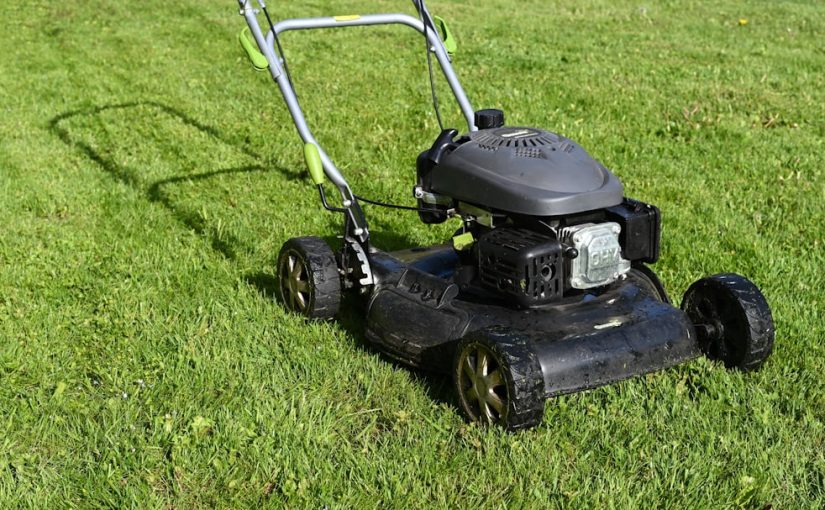
The familiar hum, rumble, or roar of a lawnmower is an unmistakable sound of suburban life, especially during warmer months. Yet, beneath this seemingly innocuous background noise lies a significant factor often overlooked: its decibel level. Understanding the noise output of these essential garden tools isn’t just about neighborhood peace; it’s crucially about protecting our hearing health. From the gentle whir of an electric model to the powerful thrum of a gas-powered riding mower, decibel levels vary widely, carrying potential risks for prolonged exposure. This article delves into the specific decibel ranges of different lawnmowers, explores the factors contributing to their noise, discusses the associated health implications, and provides practical strategies for mitigating noise and safeguarding your ears.
Understanding lawnmower decibel levels: what’s the typical range?
To truly grasp the impact of lawnmower noise, it’s essential to understand what a decibel (dB) represents. A decibel is a logarithmic unit used to measure sound intensity, meaning that a small increase in decibels represents a much larger increase in sound energy. For instance, an increase of just 10 dB signifies a tenfold increase in sound power and is perceived as roughly twice as loud by the human ear. Prolonged exposure to sounds above 85 dB can cause permanent hearing damage, making the noise produced by lawnmowers a significant concern.
The typical decibel levels for various types of lawnmowers can range considerably:
- Electric push mowers: Generally the quietest, often operating between 60-75 dB. These are comparable to the sound of a normal conversation or a vacuum cleaner.
- Gas-powered push mowers: These are significantly louder, typically falling in the 85-105 dB range. This level is comparable to a motorcycle or a heavy truck, pushing well past the threshold for safe prolonged exposure without protection.
- Riding mowers: As the most powerful type, riding mowers are also the loudest, frequently producing sounds in the 90-110 dB range, which can be likened to a chainsaw or a jackhammer.
To put these numbers into perspective, consider the following common sound levels:
| Sound source | Approximate decibel (dB) level | Safe exposure time without protection |
|---|---|---|
| Whisper | 30 dB | Unlimited |
| Normal conversation | 60 dB | Unlimited |
| Electric push mower | 60-75 dB | 8 hours at 85 dB |
| Gas push mower | 85-105 dB | 2 hours at 90 dB; 15 minutes at 100 dB |
| Riding mower | 90-110 dB | 2 hours at 90 dB; under 5 minutes at 105 dB |
| Jet plane at takeoff | 120 dB | Immediately dangerous |
The Occupational Safety and Health Administration (OSHA) recommends a maximum exposure of 8 hours to 85 dB, with permissible exposure times decreasing drastically as sound levels rise. Even a gas push mower at 90 dB can lead to hearing damage after just two hours, highlighting the critical need for awareness and protection.
Factors influencing lawnmower noise output
Several variables contribute to how loud a lawnmower operates, moving beyond just the basic type. Understanding these factors can help consumers make informed choices and homeowners manage existing equipment more effectively.
- Engine type and size: Gas mowers, whether two-stroke or four-stroke, are inherently louder than electric models due to internal combustion, exhaust, and the sheer mechanical energy produced. Larger engines, with more horsepower, generally generate more noise. Electric and battery-powered mowers, conversely, rely on electric motors that produce minimal mechanical noise.
- Blade condition: Dull or bent blades require the engine to work harder, increasing engine noise. Furthermore, damaged blades can vibrate more, creating additional acoustic disturbance and an uneven cut. Sharpened, balanced blades cut more efficiently and quietly.
- Muffler condition and design: The muffler is designed to reduce exhaust noise. A damaged, rusted, or poorly designed muffler will be less effective, allowing more engine noise to escape. Upgrading or properly maintaining the muffler can significantly impact overall noise levels.
- Deck design and materials: The mowing deck itself can act as an amplifier or a dampener. Decks made from thinner metal or with less robust construction can vibrate and resonate, contributing to the overall noise. Some modern mowers feature sound-dampening materials or aerodynamic deck designs to minimize noise.
- Maintenance level: A well-maintained mower is generally a quieter mower. Loose bolts, worn bearings, unlubricated moving parts, or a dirty air filter can all cause the engine to strain and produce more noise. Regular service ensures that all components operate optimally, reducing unnecessary sound.
- Grass conditions: Mowing thick, tall, or wet grass forces the engine to work much harder, generating more noise. The blades struggle to cut through dense material, increasing both engine strain and the distinct “whacking” sound of grass being cut. Mowing dry, shorter grass is generally a quieter task.
Health risks associated with prolonged exposure
The seemingly routine task of mowing the lawn, if done without proper precautions, can pose significant risks to one’s health, primarily impacting hearing. Prolonged or repeated exposure to high decibel levels, such as those produced by many lawnmowers, can lead to irreversible damage.
The most direct and common health risk is noise-induced hearing loss (NIHL). This type of hearing loss occurs when the delicate hair cells in the inner ear (cochlea) are damaged by excessive noise. Once these cells are damaged, they cannot regenerate, leading to permanent hearing impairment. Symptoms of NIHL may include difficulty understanding speech, a muffled perception of sounds, and needing to turn up the volume of televisions or radios.
Another prevalent issue is tinnitus, a persistent ringing, buzzing, hissing, chirping, or roaring sound in one or both ears. Tinnitus can range from a mild annoyance to a debilitating condition that interferes with sleep, concentration, and overall quality of life. It’s often a precursor or a companion to NIHL.
Beyond hearing damage, chronic exposure to loud noise can contribute to other health problems:
- Increased stress and fatigue: Constant noise can elevate stress hormones, leading to increased anxiety, irritability, and mental exhaustion.
- Sleep disturbances: Even if mowing isn’t done at night, the cumulative effect of noise exposure can disrupt sleep patterns.
- Cardiovascular issues: While less directly linked than NIHL, some studies suggest a correlation between chronic noise exposure and an increased risk of hypertension and other cardiovascular problems.
The insidious nature of NIHL is that it often develops gradually, making it easy to overlook until significant damage has occurred. This underscores the importance of proactive measures, even for seemingly short periods of exposure.
Strategies for reducing lawnmower noise and protecting your hearing
Fortunately, there are several effective strategies homeowners can employ to minimize lawnmower noise and safeguard their hearing. These range from equipment choices to maintenance routines and personal protective measures.
- Choose a quieter mower:
- Electric or battery-powered mowers: These are generally the quietest option, operating at significantly lower decibel levels than their gas counterparts.
- Robot mowers: The ultimate in quiet lawn care, these autonomous devices operate at very low noise levels, often below 60 dB.
- Reel mowers: For smaller lawns, traditional manual reel mowers are virtually silent.
- Regular maintenance:
- Sharpen blades: Keep blades sharp and balanced. Dull blades make the engine work harder and create more noise.
- Check the muffler: Ensure the muffler is in good condition, free from rust or damage. Replace it if necessary.
- Lubricate moving parts: Keep all moving components well-oiled to prevent friction and squeaks.
- Tighten loose parts: Loose bolts or components can vibrate excessively, adding to the noise.
- Clean air filters: A clogged air filter can make the engine strain and run louder.
- Use hearing protection: This is arguably the most crucial step for anyone operating a gas-powered mower.
- Earplugs: Foam earplugs are inexpensive and effective, offering significant noise reduction (20-30 dB). Ensure they are inserted correctly for maximum benefit.
- Earmuffs: Over-the-ear earmuffs provide excellent noise reduction and are often more comfortable for extended use. Look for earmuffs with a Noise Reduction Rating (NRR) of 25 dB or higher.
- Combined protection: For extremely loud mowers (e.g., commercial riding mowers), using both earplugs and earmuffs provides maximum protection.
- Mow smart:
- Avoid peak noise times: If possible, avoid mowing early in the morning or late in the evening when sound travels further and can disturb neighbors.
- Mow dry grass: Dry grass is easier to cut, requiring less engine effort and thus less noise.
- Don’t overload the engine: Avoid trying to cut too much grass at once or setting the deck too low for very tall grass. Raise the deck and take multiple passes if necessary.
Implementing a combination of these strategies can dramatically reduce your exposure to harmful noise levels and help preserve your hearing for years to come.
Conclusion
The decibel levels generated by lawnmowers are far from trivial; they represent a significant occupational and recreational noise hazard that many overlook. We’ve explored how different types of mowers—from quiet electrics to powerful gas-powered machines—fall into distinct noise ranges, often exceeding safe hearing thresholds. Factors such as engine size, blade condition, muffler integrity, and even the type of grass being cut all play a role in a mower’s overall sound output. Critically, we delved into the serious health risks, primarily noise-induced hearing loss and tinnitus, that prolonged exposure to these elevated decibel levels can cause. However, the good news is that these risks are largely preventable.
By understanding the nuances of lawnmower noise and proactively adopting mitigation strategies, individuals can protect their hearing and ensure a safer mowing experience. Whether it’s choosing a quieter electric model, diligently maintaining your current equipment, or most importantly, consistently utilizing personal hearing protection like earplugs or earmuffs, taking action is paramount. Prioritizing your hearing health today will allow you to enjoy the sounds of life, rather than the ringing of tinnitus, for many years to come.
Image by: Andres Siimon