The fascinating world of plant propagation often conjures images of gardeners meticulously tending to seedlings or grafting branches. Yet, there’s a revolutionary technique allowing for the creation of numerous identical plants from a tiny piece of tissue: plant tissue culture. This advanced method, typically confined to specialized laboratories, involves growing plant cells, tissues, or organs in a sterile, nutrient-rich medium under controlled environmental conditions. While it might sound daunting, the principles of plant tissue culture can be adapted for the ambitious home enthusiast. Imagine cloning your prized orchid, propagating rare succulents, or even cleaning a favorite plant of viruses, all from the comfort of your own home. This article will guide you through the essential steps and considerations for setting up your very own mini plant tissue culture lab, transforming the complex into an achievable and incredibly rewarding DIY project.
Setting up your home micropropagation station
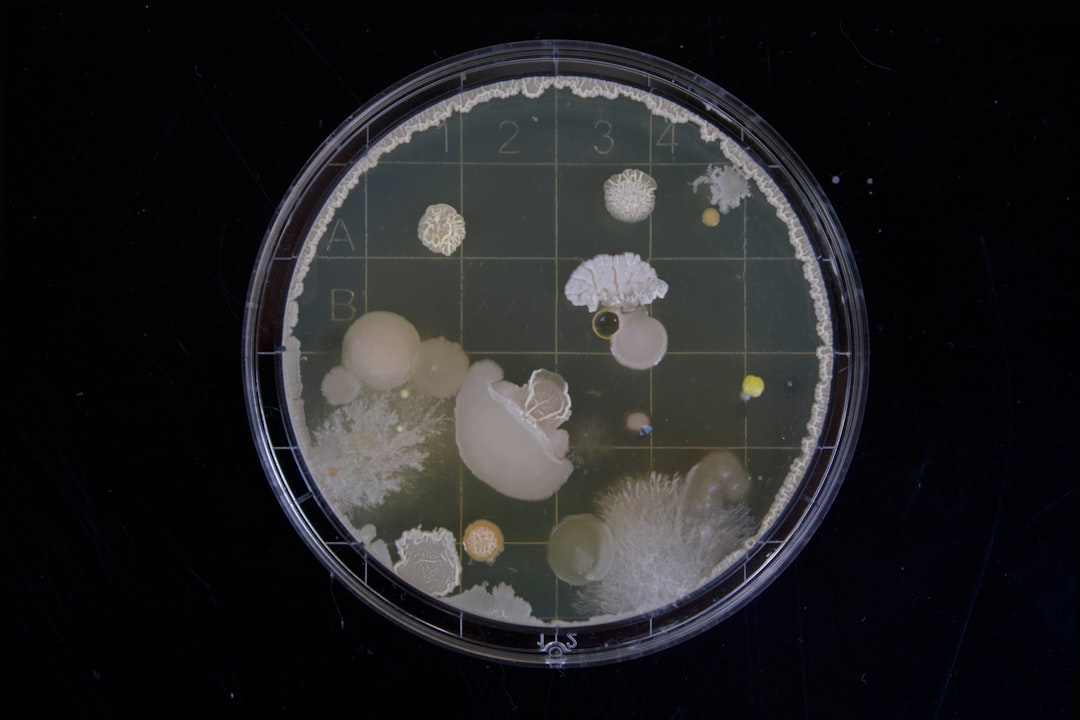
Embarking on plant tissue culture at home requires a meticulous approach to sterility and a few key pieces of equipment. The most critical aspect is creating an aseptic environment to prevent contamination from bacteria, fungi, and yeasts, which can quickly ruin your cultures. A simple yet effective setup can be a glove box, which is essentially a sealed container with armholes, allowing you to work inside while maintaining a sterile atmosphere. You can construct one from a clear plastic storage bin, carefully cutting holes for your hands and sealing them with gloves. A more sophisticated alternative, though pricier, is a small laminar flow hood, which provides a continuous stream of sterile air. Alongside this, you will need a pressure cooker or autoclave for sterilizing glassware, media, and tools. Essential tools include a sharp scalpel, fine-tipped forceps, and various glass containers like petri dishes or small jars with tight-fitting lids. All tools and containers must be thoroughly cleaned and then sterilized, typically by wrapping them in foil and autoclaving them.
Crafting the essential nutrient medium
Plants in tissue culture cannot perform photosynthesis effectively initially, so they rely entirely on an external supply of nutrients. The nutrient medium is the lifeblood of your culture, providing everything the plant needs to grow. A common base is the Murashige and Skoog (MS) medium, but for home use, simplified versions are often more accessible. Key components include macro and micronutrients (like nitrogen, phosphorus, potassium, iron, boron), vitamins (e.g., thiamine, myo-inositol), a sugar source (typically sucrose) for energy, and a gelling agent (most commonly agar) to solidify the liquid medium. Plant hormones, such as auxins and cytokinins, are also crucial for dictating growth responses like root or shoot formation, and their precise balance depends on your desired outcome. Measuring these components accurately is vital, often requiring a sensitive scale. The pH of the medium is also critical and usually needs to be adjusted to around 5.6-5.8 using a pH meter and small amounts of acid or base (e.g., HCl or KOH) before sterilization.
Here is a simplified example of components for a basic plant tissue culture medium (quantities are illustrative and need precise measurement for actual use):
| Component | Typical Role | Approximate Quantity (per liter) |
|---|---|---|
| Sucrose | Energy source | 20-30 grams |
| Agar | Gelling agent | 6-8 grams |
| MS Basal Salt Mixture | Macro & Micro Nutrients | 4.4 grams |
| MS Vitamin Mixture | Vitamins | 100 mg |
| Plant Growth Regulator (e.g., NAA or BAP) | Hormones for specific growth | 0.1-1.0 mg |
The sterile transfer technique: from plant to jar
With your sterile workstation and prepared medium, the next step is the actual transfer of plant material, known as the explant. This process demands unwavering adherence to sterile techniques. First, select a healthy, young piece of plant tissue—a shoot tip, a node with an auxiliary bud, or a leaf section—from your donor plant. Sterilize this explant by washing it thoroughly, then immersing it in a surface sterilizing solution, such as diluted bleach (e.g., 10% household bleach with a drop of dish soap) for 5-20 minutes, followed by multiple rinses with sterile distilled water. All these steps must be performed within your sterile working area. Once sterilized, carefully excise a small, clean piece of the explant, free from any damaged or discolored tissue, using your sterile scalpel and forceps. Gently place this explant onto the surface of your prepared, solidified nutrient medium in the sterile container. Seal the container tightly immediately after the transfer to maintain sterility. Label each container with the plant type, date, and any specific medium formulation.
Post-culture care and acclimatization
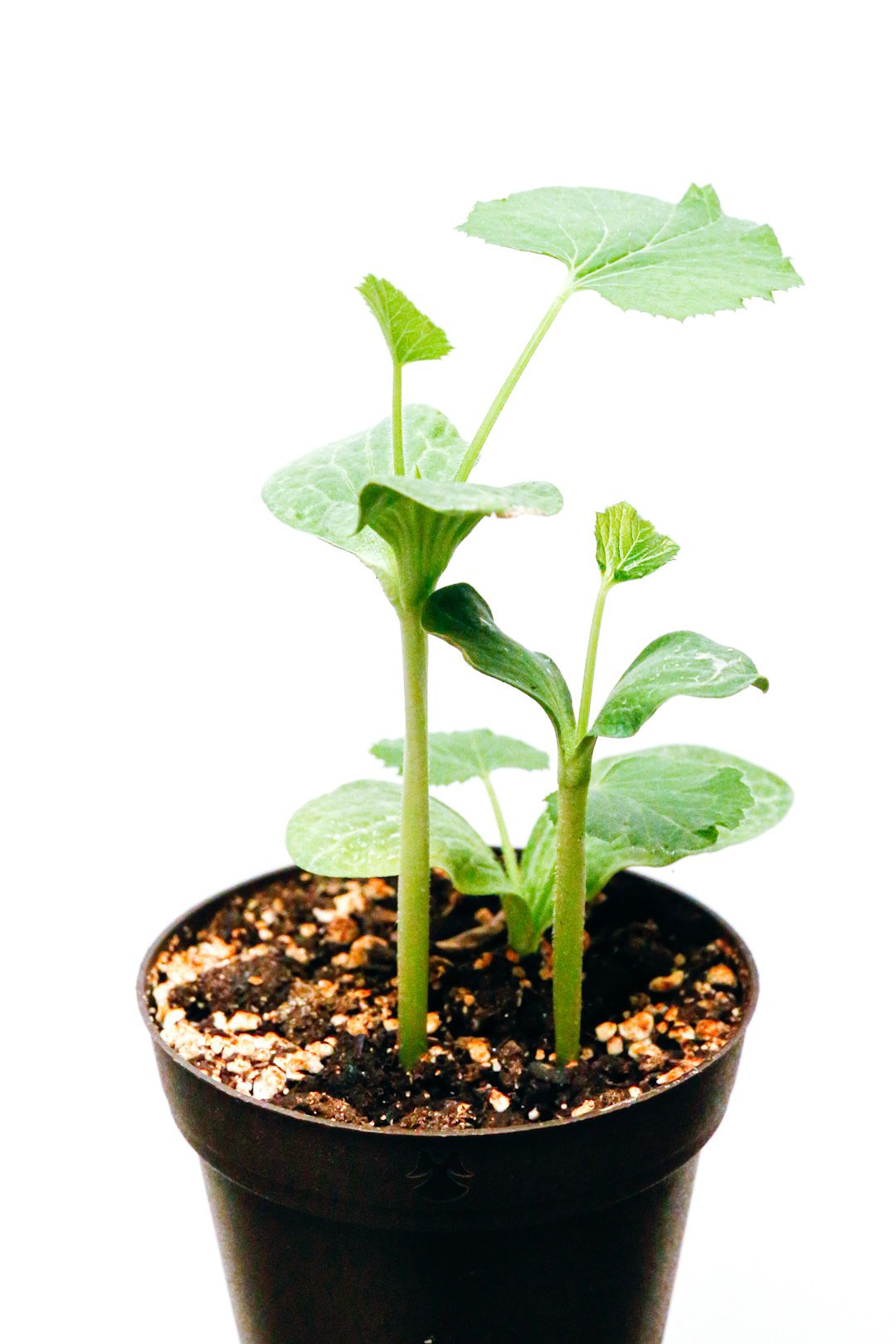
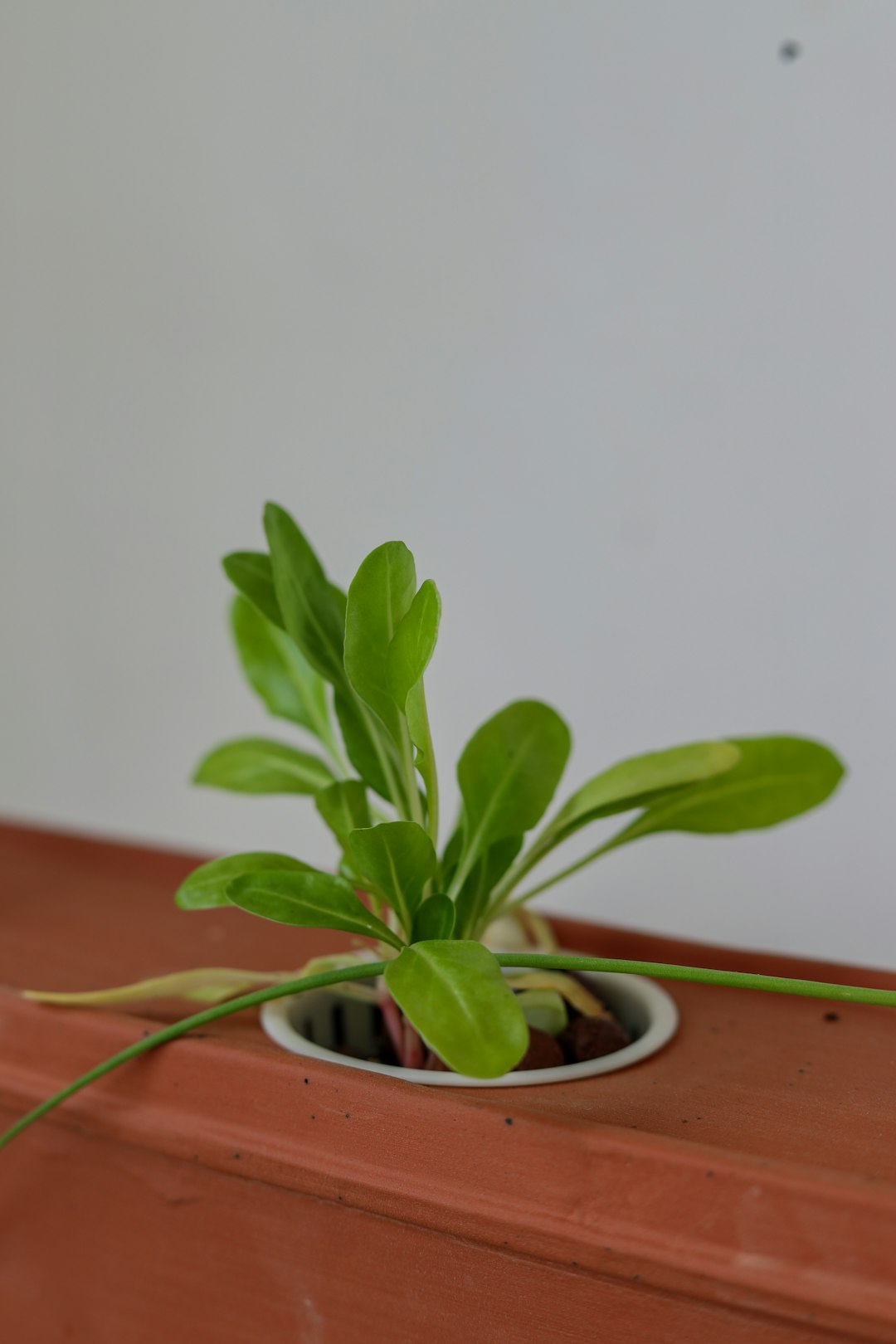
After successful transfer, your cultures will need specific environmental conditions to thrive. Place your sealed containers under controlled lighting, typically fluorescent or LED grow lights, providing 12-16 hours of light per day. Maintain a consistent temperature, ideally around 20-25°C (68-77°F). Observe your cultures daily for signs of growth and, more importantly, contamination. Any fuzziness, discoloration, or liquid growth around the explant indicates microbial contamination, and the affected jar should be promptly removed to prevent spores from spreading. Once your plantlets have developed healthy shoots and roots within the culture vessel, they are ready for acclimatization, or “hardening off.” This involves gradually transitioning them from the high humidity and sterile environment of the culture jar to the lower humidity and non-sterile conditions of the outside world. Begin by cracking the lids of the jars for a few days, then transplant the plantlets into a sterile, free-draining potting mix. Keep them under high humidity initially (e.g., under a plastic dome or bag) and slowly reduce humidity over several weeks until they are robust enough to join your other houseplants.
Embarking on plant tissue culture at home is a testament to scientific curiosity and horticultural passion. We’ve explored the critical foundations, from establishing a sterile working environment and preparing the life-sustaining nutrient medium to the delicate art of aseptic transfer and the crucial final stage of acclimatization. While the initial setup may seem intricate, the process of cloning plants with precision and fostering their growth in a controlled setting offers unparalleled satisfaction. It allows you to propagate rare species, create disease-free duplicates of your favorite plants, and observe plant biology in a truly hands-on manner. Remember, patience, meticulous attention to detail, and persistent sanitation are your greatest allies in this endeavor. By following these guidelines, you can transform a complex laboratory technique into a rewarding home hobby, unlocking a new dimension in plant propagation and deepening your connection to the botanical world around you.
Image by: Alexey Demidov