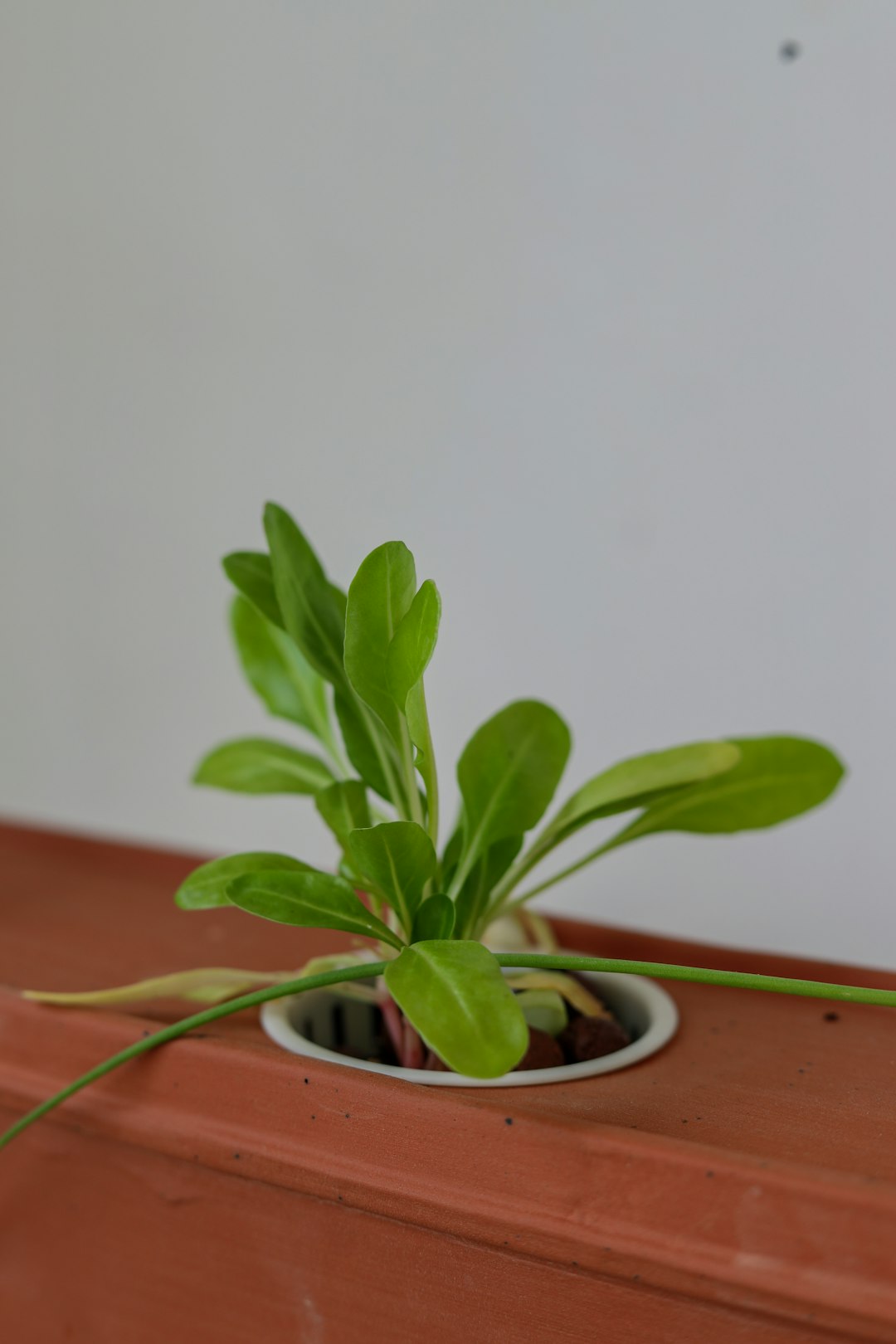
Have you ever paused to consider the rich, vibrant green of a spinach leaf? While its verdant hue might seem singular at first glance, the reality is far more intricate and fascinating. Spinach, like most plants, doesn’t rely on just one type of pigment to capture sunlight and sustain itself. Beneath the dominant green, a complex orchestra of various pigments works in harmony, each playing a crucial role in the plant’s survival and efficiency. This multi-pigment system is an evolutionary marvel, allowing spinach to adapt to different light conditions, protect itself from environmental stresses, and optimize the crucial process of photosynthesis. Understanding this diverse palette reveals not just the beauty of nature, but also the sophisticated biochemistry underpinning plant life.
The primary green architects: chlorophylls
The most recognizable pigment in spinach, and indeed in most green plants, is chlorophyll. However, it’s not a monolithic entity but primarily exists in two main forms: chlorophyll a and chlorophyll b. Both are essential for photosynthesis, the process by which plants convert light energy into chemical energy (sugars). Chlorophyll a is the primary photosynthetic pigment, directly involved in the light-dependent reactions where light energy is absorbed and transformed. It has a characteristic blue-green color and optimally absorbs light in the violet-blue and red regions of the electromagnetic spectrum.
Chlorophyll b, on the other hand, acts as an accessory pigment to chlorophyll a. It broadens the spectrum of light that the plant can absorb, effectively harvesting light energy in different wavelengths (primarily blue and orange-red) that chlorophyll a might miss. This captured energy is then transferred to chlorophyll a for the photosynthetic reactions. The slight differences in their chemical structures allow them to absorb light at slightly varying wavelengths, ensuring a more comprehensive capture of available light energy. It is the overwhelming abundance of these chlorophylls that gives spinach its characteristic vibrant green appearance, as they reflect green light rather than absorbing it.
The unseen protectors and helpers: carotenoids
While chlorophylls dominate the visual spectrum, another vital group of pigments, the carotenoids, are ever-present in spinach leaves. These pigments are responsible for the yellow, orange, and sometimes red hues seen in many fruits, vegetables, and autumn leaves. In spinach, however, their colors are typically masked by the abundant chlorophyll. Key carotenoids found in spinach include beta-carotene, lutein, and zeaxanthin.
Carotenoids serve multiple crucial functions. Firstly, they act as accessory pigments, much like chlorophyll b, absorbing light in the blue-green region of the spectrum and passing that energy to chlorophyll a. This further expands the range of light wavelengths the plant can utilize for photosynthesis. More importantly, carotenoids are powerful antioxidants and play a critical role in photoprotection. They quench harmful reactive oxygen species (ROS) that can form when chlorophyll absorbs too much light energy, especially under intense sunlight. Without carotenoids, spinach leaves would be highly susceptible to photodamage, leading to cellular degradation and impaired photosynthesis. They essentially act as the plant’s natural sunscreen and damage control system, ensuring the photosynthetic machinery remains functional and efficient.
Environmental influences and pigment expression
The precise ratio and concentration of chlorophylls and carotenoids in spinach leaves are not static; they can be significantly influenced by various environmental factors. These factors often dictate how vibrant or subtle the different pigment colors appear, even if the pigments are always present.
- Light intensity: Plants grown in high-light conditions often produce more carotenoids relative to chlorophylls to enhance photoprotection. Conversely, spinach grown in lower light might prioritize chlorophyll production to maximize light harvesting.
- Temperature: Extreme temperatures can affect enzyme activity involved in pigment synthesis and degradation. Cold stress, for instance, can sometimes lead to a breakdown of chlorophyll, revealing the underlying carotenoids.
- Nutrient availability: Essential nutrients like nitrogen and magnesium are crucial components of the chlorophyll molecule. A deficiency in these nutrients can lead to reduced chlorophyll production, resulting in paler or yellowish leaves, where carotenoids become more apparent. Iron deficiency is also a common cause of chlorosis (yellowing).
- Leaf age: As spinach leaves age, chlorophyll can begin to degrade naturally, allowing the more stable carotenoids to become visible, leading to a slight yellowing before senescence.
- Stress: Other stressors like drought, pest infestations, or disease can trigger pigment changes as the plant attempts to cope with adverse conditions, often involving chlorophyll degradation.
This dynamic interplay allows spinach to finely tune its pigment composition to best suit its immediate environment, optimizing its photosynthetic capacity and protective mechanisms.
The synergistic advantage: why diversity matters
The presence of multiple pigments in spinach leaves is not merely a coincidence; it represents a highly evolved and efficient strategy for survival and productivity. This pigment diversity offers a multifaceted advantage:
| Pigment Group | Primary Color | Main Function(s) | Light Absorption Range (approx.) |
|---|---|---|---|
| Chlorophyll a | Blue-green | Primary photosynthesis | Violet-blue, Red |
| Chlorophyll b | Yellow-green | Accessory light harvesting | Blue, Orange-red |
| Carotenoids | Yellow, Orange | Accessory light harvesting, Photoprotection | Blue-green |
Firstly, it significantly broadens the spectrum of light wavelengths that the plant can absorb and utilize for photosynthesis. If spinach relied solely on chlorophyll a, it would miss out on a substantial portion of the available solar energy. By employing chlorophyll b and various carotenoids, the plant can capture more light, making the photosynthetic process more robust and less dependent on specific light conditions. Secondly, and equally critical, the accessory pigments provide a powerful defense mechanism against potential photodamage. Excess light energy can be highly destructive, forming harmful free radicals that damage cellular components. Carotenoids act as critical photoprotective agents, dissipating this excess energy safely as heat or neutralizing reactive oxygen species before they can cause harm. This dual role of enhancing light capture and providing protection ensures that spinach can thrive in a range of light environments, maintaining its vitality and productivity throughout its life cycle. The synergy between these pigments highlights nature’s ingenious design for optimizing plant function.
Conclusion
The seemingly simple green of a spinach leaf is, in fact, a testament to a complex and highly effective biochemical system. As we’ve explored, its vibrant color is predominantly due to chlorophyll a and b, the workhorses of photosynthesis, efficiently capturing light energy for growth. Yet, beneath this verdant facade lies a crucial supporting cast of carotenoids like beta-carotene, lutein, and zeaxanthin. These vital accessory pigments not only broaden the spectrum of light the plant can utilize but also, critically, shield the delicate photosynthetic machinery from the damaging effects of excessive sunlight. Environmental factors, from light intensity to nutrient availability, further influence the dynamic balance and expression of these pigments, allowing spinach to adapt and optimize its survival strategies.
Ultimately, the presence of multiple pigments in spinach leaves is a brilliant evolutionary adaptation. It ensures maximum photosynthetic efficiency by capturing a wider range of light, while simultaneously providing robust protection against environmental stress. This intricate interplay between different colored molecules underscores the sophisticated design of plant biology, demonstrating how even the humblest leaf embodies a remarkable blend of elegance and engineering to sustain life.
Image by: Mor Shani