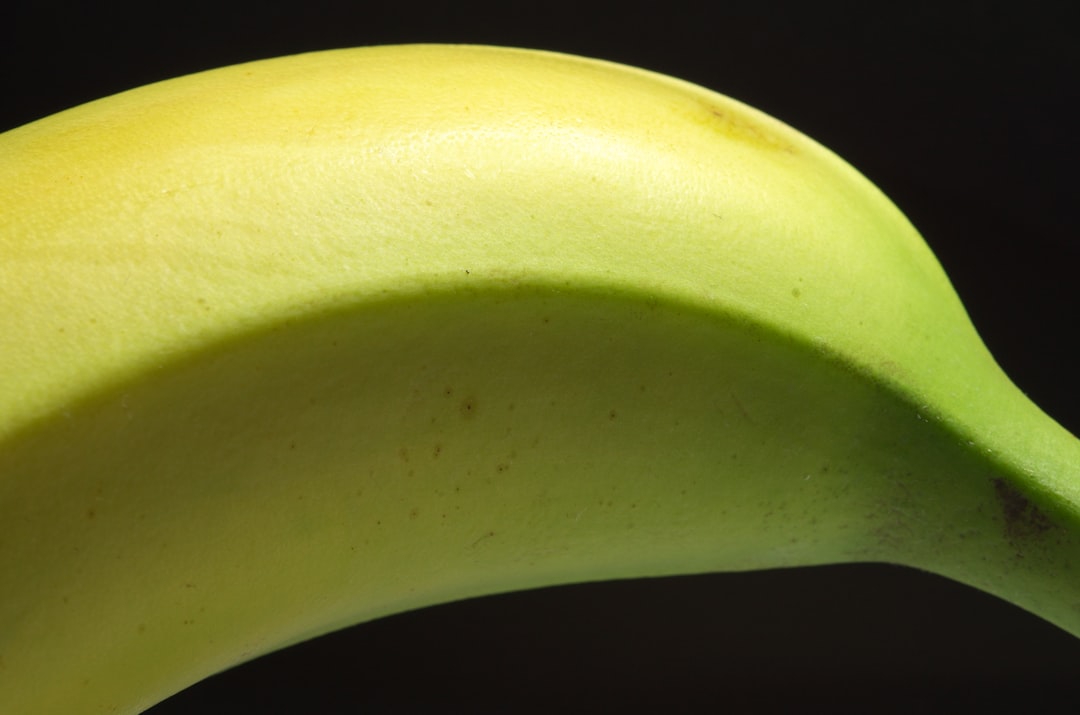
The banana tree, a ubiquitous symbol of tropical abundance, is primarily celebrated for its nutritious and delicious fruit. However, its true potential extends far beyond the edible produce. Often overlooked and discarded as agricultural waste, the bark of the banana tree, particularly its pseudo-stem, is a remarkably versatile and sustainable material awaiting broader recognition. Rich in natural fibers and cellulose, this often-underestimated byproduct holds immense promise across various industries, from traditional crafts to innovative biotechnological applications. Embracing the full utility of the banana tree, including its bark, represents a significant stride towards more sustainable resource management and a circular economy, transforming what was once waste into valuable commodities.
Crafting with nature’s fibers
For centuries, communities in banana-growing regions have intuitively recognized the inherent value of banana tree bark for its durable fibers. Once harvested and processed, the outer layers of the pseudo-stem yield strong, pliable strands perfect for an array of traditional crafts. These natural fibers are meticulously extracted, often through retting and scraping, and then dried to prepare them for weaving and construction. The resulting material is incredibly versatile, lending itself to the creation of robust ropes, sturdy baskets, and intricate mats. Unlike synthetic alternatives, items made from banana bark fibers are biodegradable, offering an environmentally friendly choice that celebrates artisanal skill and sustainable resource utilization. The natural aesthetic and rustic charm of these products also add a unique value, connecting modern consumers with ancient crafting traditions.
Bio-packaging and eco-friendly materials
In an era dominated by concerns over plastic pollution, banana tree bark emerges as a promising candidate for developing sustainable bio-packaging and other eco-friendly materials. The bark’s high cellulose content makes it an excellent raw material for producing biodegradable paper, pulp, and even sturdy packaging solutions that can replace single-use plastics. Researchers are exploring methods to convert banana bark into compostable food wraps, disposable plates, and lightweight containers that decompose naturally without harming the environment. Its fibrous structure provides strength and rigidity, making it suitable for applications where durability is key, while its natural origins ensure a minimal ecological footprint. This innovative application transforms agricultural waste into valuable resources, contributing significantly to a circular economy and reducing reliance on fossil-fuel-derived products.
To illustrate the potential of banana bark in eco-friendly packaging, consider its comparison with conventional materials:
| Material Type | Source | Biodegradability | Strength/Rigidity | Sustainability Impact |
|---|---|---|---|---|
| Banana Bark Pulp | Agricultural waste | Highly biodegradable (weeks to months) | Good (can be reinforced) | Low carbon footprint, renewable, waste reduction |
| Recycled Paperboard | Post-consumer paper | Biodegradable (months) | Moderate (can weaken with recycling) | Reduced deforestation, energy-intensive recycling |
| Polystyrene (Plastic) | Petroleum | Non-biodegradable (centuries) | High | High carbon footprint, landfill burden, pollution |
Agricultural and horticultural applications
Beyond its uses in crafting and packaging, banana tree bark finds practical and beneficial applications within agriculture and horticulture itself. After the banana harvest, the remaining pseudo-stem and bark can be effectively repurposed as organic mulch. Shredded or chopped banana bark spread around plants helps retain soil moisture, suppress weed growth, and regulate soil temperature, creating a healthier environment for plant roots. As it decomposes, the bark slowly releases valuable nutrients back into the soil, acting as a natural, slow-release fertilizer rich in potassium, phosphorus, and other trace elements essential for plant growth. This not only enriches the soil structure and fertility but also reduces the need for synthetic fertilizers, promoting a more organic and sustainable approach to farming. Furthermore, it plays a vital role in composting systems, accelerating decomposition and adding bulk to compost piles.
Textile innovations and bio-composites
The robust fibers extracted from banana tree bark are not limited to traditional crafts; they are increasingly being recognized for their potential in modern textile innovations and advanced bio-composites. Similar to abaca (Manila hemp), a close relative, banana fibers possess high tensile strength, making them suitable for durable fabrics, ropes, and even industrial textiles. Researchers are developing processes to refine these fibers for fashion garments, upholstery, and technical fabrics that offer a unique blend of strength, breathability, and sustainability. Moreover, banana bark fibers are being explored as reinforcement in bio-composite materials, offering a greener alternative to synthetic fibers in industries like automotive, construction, and product design. These bio-composites leverage the natural strength and lightweight properties of banana fibers to create materials that are both high-performing and environmentally responsible, pushing the boundaries of sustainable material science.
The humble banana tree bark, once considered mere agricultural waste, is rapidly transforming into a symbol of sustainable innovation and resourcefulness. As explored, its utility spans a remarkable range, from preserving traditional crafting techniques and providing eco-friendly packaging solutions to enriching agricultural soils and pioneering new textile and composite materials. This diverse array of applications underscores the incredible potential of natural byproducts to contribute significantly to a circular economy. By recognizing and harnessing the inherent value of banana bark, we not only reduce waste but also unlock pathways to greener industries and more sustainable living practices. The journey from discarded pseudo-stem to valuable commodity highlights a critical shift towards appreciating and utilizing every part of our natural resources, paving the way for a more environmentally conscious future.
Image by: Kay