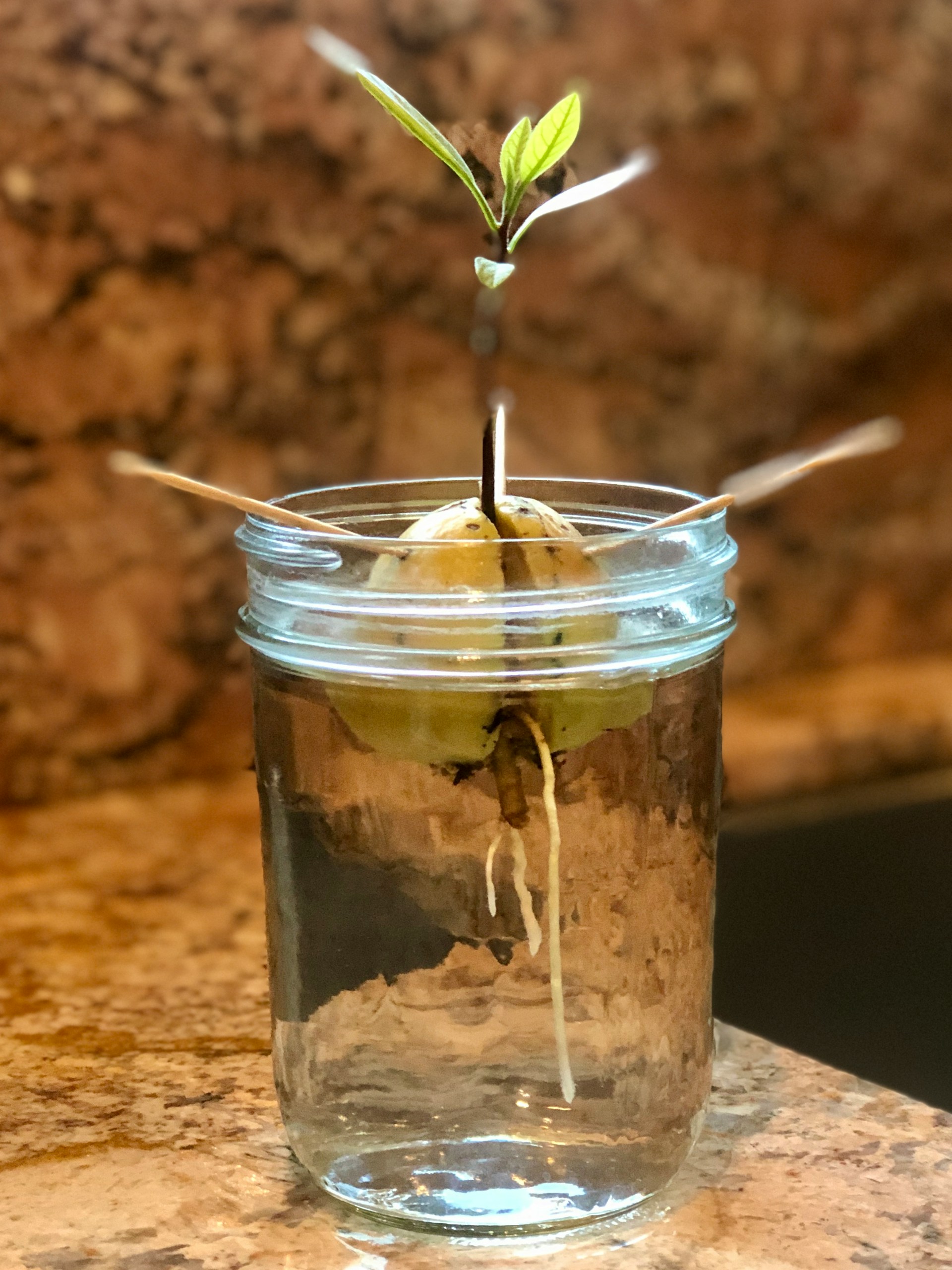
The quest for lush, vibrant plants often leads enthusiastic gardeners and indoor plant enthusiasts to experiment with various environmental factors. Among the myriad elements influencing plant health and growth, water temperature frequently sparks curiosity. Does providing your green companions with a refreshing drink of cold water or a comforting sip of warm water make a significant difference in their growth rate? This question, seemingly simple, delves into complex biological processes that govern how plants interact with their environment. Understanding the precise role of water temperature, whether it’s icy cold or steaming hot, can unlock secrets to optimizing plant development. Join us as we explore the intricate balance between water temperature and plant physiology, uncovering whether plants truly thrive faster in cold or hot water.
The dynamics of water absorption and root function
At the heart of a plant’s interaction with water lies its root system. Roots are not merely anchors; they are sophisticated organs responsible for absorbing water and essential nutrients from the soil. This absorption largely occurs through osmosis, a process where water moves from an area of higher concentration to an area of lower concentration across a semi-permeable membrane. Water temperature plays a critical, yet often overlooked, role in the efficiency of this process. Extremely cold water can cause a “cold shock” to roots, slowing down their metabolic activity and decreasing the permeability of root cell membranes. This reduction in permeability means roots struggle to take up water, even if it’s abundant, leading to a state of temporary drought stress for the plant. Conversely, excessively hot water can physically scald or damage delicate root tissues, denature proteins within root cells, and drastically reduce the availability of dissolved oxygen, which is vital for root respiration and overall health.
Temperature’s influence on metabolic processes
Beyond simple absorption, water temperature significantly impacts the internal metabolic machinery of plants, including crucial processes like photosynthesis and respiration. These biochemical reactions are orchestrated by enzymes, which are highly sensitive to temperature fluctuations. Each enzyme has an optimal temperature range at which it functions most efficiently. For most plants, particularly those grown in temperate climates, this optimal range for enzyme activity, and thus for photosynthesis and respiration, generally falls within moderate temperatures. When roots absorb very cold water, the plant’s entire system can experience a drop in temperature, slowing down enzyme activity across the board. This translates to reduced rates of photosynthesis (the process of converting light energy into food) and respiration (the process of releasing energy from food), directly hindering growth. On the other end of the spectrum, excessively hot water can lead to heat stress. While slightly warmer temperatures might initially boost some reactions, sustained high temperatures can cause enzymes to denature, losing their functional shape and severely impairing the plant’s ability to grow and even survive.
Nutrient uptake and dissolved oxygen considerations
The water temperature not only affects the plant’s internal processes but also influences the availability of crucial elements in the growing medium. Nutrient solubility and dissolved oxygen levels are two key factors altered by water temperature. Cold water generally holds more dissolved oxygen than warm water. Oxygen is indispensable for root respiration, a process that provides the energy roots need to absorb nutrients actively. Thus, while cold water holds more oxygen, its chilling effect on root activity can counteract this benefit, slowing down nutrient uptake. Conversely, hot water holds significantly less dissolved oxygen, creating anaerobic conditions around the roots if sustained. A lack of oxygen can quickly lead to root rot, suffocating the roots and preventing them from absorbing any nutrients, regardless of their availability. Furthermore, extreme temperatures can affect the solubility of certain minerals, making them less accessible to the plant. It’s a delicate balance where moderate temperatures facilitate both sufficient dissolved oxygen for healthy roots and optimal nutrient solubility for efficient uptake.
Comparative effects of water temperature on plant growth factors
Factor
Cold Water (<15°C)
Optimal Water (18-25°C)
Hot Water (>30°C)
Root metabolic activity
Reduced, potential shock
Optimal, efficient
Damaged, impaired
Dissolved oxygen
High (but uptake slowed by cold)
Optimal for root respiration
Low, leading to anaerobic conditions
Nutrient uptake efficiency
Slowed due to reduced root activity
Efficient and balanced
Impaired due to root damage/lack of O2
Enzyme activity
Decreased, leading to slower processes
Optimal for photosynthesis & respiration
Denaturation, leading to severe dysfunction
Overall plant stress
High (cold shock)
Low
Very high (heat stress, root rot)
The sweet spot: lukewarm for optimal growth
In summary, the notion that plants grow faster in either extremely cold or hot water is largely a misconception. Our exploration has revealed that both extremes pose significant challenges to plant physiology, from hindering efficient water and nutrient absorption by the roots to impairing crucial metabolic processes like photosynthesis and respiration. While cold water can induce root shock and slow down enzyme activity, hot water can scald delicate root tissues, deplete vital dissolved oxygen, and even denature enzymes essential for life. The consensus among plant scientists and experienced horticulturists is clear: plants generally thrive best when watered with lukewarm or room-temperature water, typically between 18-25°C (65-77°F). This moderate temperature range ensures optimal root function, efficient nutrient uptake, sufficient dissolved oxygen, and peak enzymatic activity, thereby minimizing stress and promoting robust, healthy growth. For truly flourishing plants, avoid temperature extremes and consistently provide them with water that feels just right to the touch.