The mysterious world of fungi often captivates our curiosity, presenting an array of shapes, colors, and textures that dot our forests and fields. While some mushrooms offer culinary delights, many others, commonly referred to as toadstools, harbor potent toxins capable of causing severe illness or even death. Navigating this fungal landscape requires more than just a casual glance; it demands careful observation, knowledge, and a healthy respect for nature’s subtle warnings. This article will guide you through the essential steps and critical features necessary to identify toadstools, equipping you with the foundational understanding to distinguish the potentially dangerous from the harmless, ensuring your safety in the fascinating realm of wild fungi.
The foundational principle: never guess
Before delving into specific identification features, it is paramount to establish the golden rule of mushroom foraging and observation: when in doubt, throw it out. This principle cannot be overstated. Unlike plants, where a slight misidentification might lead to an unpleasant taste, mistaking a poisonous toadstool for an edible mushroom can have catastrophic consequences, ranging from severe gastrointestinal distress to irreversible organ damage and even death. The term “toadstool” itself is a colloquial, often pejorative, label for any mushroom considered inedible or poisonous, distinguishing it from an edible “mushroom.” However, mycologically, they are all fungi. The danger lies in their appearance; many highly toxic species bear a striking resemblance to safe, edible varieties, making superficial identification incredibly risky. Always approach any unknown fungus with extreme caution, and remember that no single characteristic guarantees edibility or toxicity. A comprehensive assessment of multiple features is always necessary.
Key macroscopic features for identification
Identifying fungi effectively relies on a meticulous examination of their macroscopic features – those visible to the naked eye. Each part of the mushroom offers vital clues:
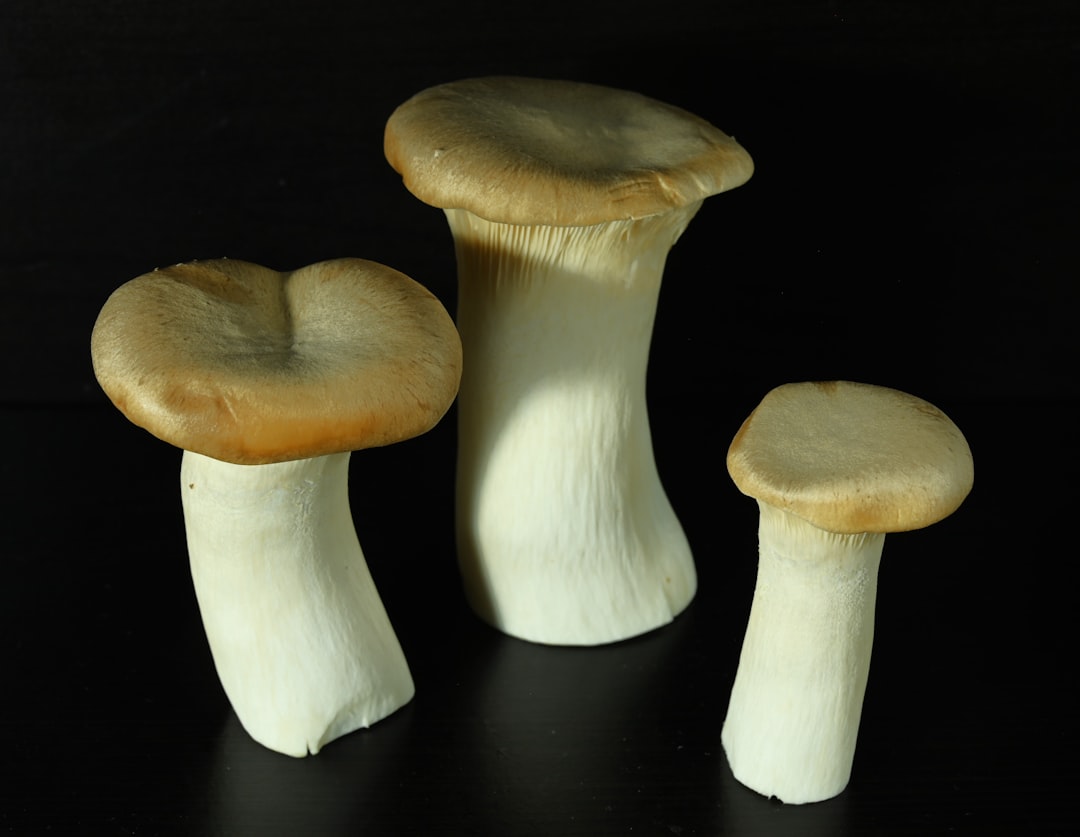
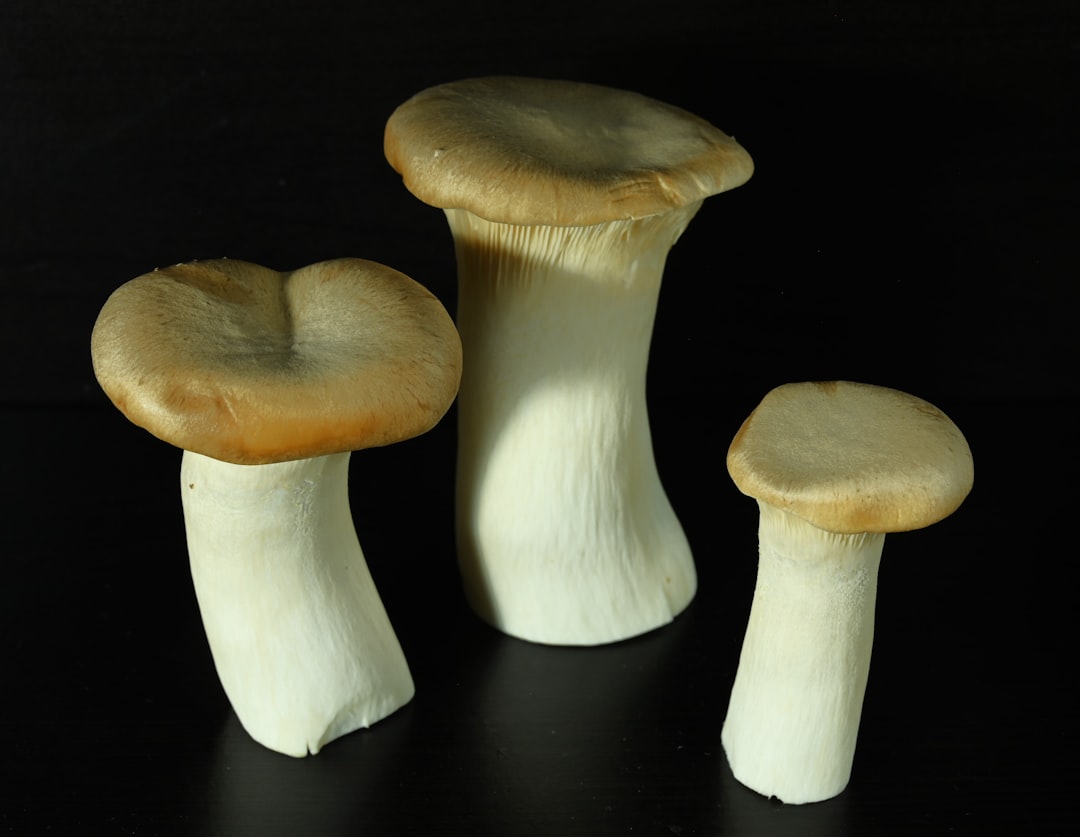
- Cap (Pileus): Observe its shape (e.g., convex, flat, bell-shaped, umbonate – with a central hump), color (which can vary with age and moisture), and texture (smooth, slimy, scaly, hairy, cracked). Note its diameter.
- Gills, Pores, or Teeth (Hymenophore): Beneath the cap, examine how the spore-bearing surface is structured.
- Gills: Note their attachment to the stem (adnate, decurrent, free), spacing (crowded or distant), color, and whether they bruise or change color when damaged.
- Pores: Found in boletes and polypores. Observe their size, shape, and color. Many boletes change color when bruised.
- Teeth: Less common, but present in some species like the Hedgehog Mushroom.
- Stem (Stipe): Look at its overall shape (cylindrical, bulbous, tapering), color, texture, and whether it’s hollow or solid. Crucially, check for the presence of a ring (annulus), which is a remnant of the partial veil, or a volva, a cup-like structure at the base, which is the remnant of the universal veil and a key identifier for deadly Amanitas.
- Flesh: Cut through the mushroom. Note the color of the flesh and if it changes color when exposed to air or bruised. This can be a significant diagnostic trait. Also, consider its smell; some fungi have distinctive odors (e.g., almond, floury, radish, or even unpleasant chemical smells).
- Spore print: This is one of the most reliable identification tools. To make one, cut off the stem and place the cap, gill-side down, on a piece of white and dark paper (or aluminum foil) under a bowl or glass to keep it humid. After several hours, the spores will fall, revealing their color. Spore print color is species-specific and can differentiate similar-looking mushrooms.
Habitat, season, and associated flora
Beyond the physical attributes of the fungus itself, understanding its ecological context provides critical clues for identification. Mushrooms don’t just grow anywhere; they have specific preferences and relationships with their environment:
- Habitat type: Is the mushroom growing on soil, wood (live or decaying), dung, moss, or leaf litter? Knowing this can immediately narrow down possibilities. For instance, many deadly Galerina species grow on decaying wood, while the deadly Amanita species typically grow from the soil near specific trees.
- Seasonality: Different fungi emerge at different times of the year. Some species are primarily spring mushrooms, others thrive in summer, and many more appear in late autumn. Identifying the season of growth can help rule out many species that are dormant or simply not present.
- Associated flora: Many fungi form symbiotic relationships with specific trees or plants (mycorrhizal associations). For example, some species of Boletus are often found under oak or pine trees. The presence of certain tree types can be a strong indicator of what fungi might be in the vicinity. Similarly, parasitic fungi will only be found on their specific host plants. Observe whether the mushrooms are growing solitarily, scattered, in clusters, or in characteristic “fairy rings.”
The deadly look-alikes and common misconceptions
One of the greatest dangers in identifying toadstools lies in their uncanny resemblance to edible species. This phenomenon of “deadly look-alikes” has led to countless poisonings. It is crucial to be aware of these treacherous pairings and dispel common mycological myths.
Perhaps the most infamous group of toxic mushrooms are the Amanitas, particularly the Death Cap (Amanita phalloides) and the Destroying Angel (Amanita virosa/bisporigera). These deadly fungi often have a white spore print, white gills, a ring on the stem, and a distinctive volva at the base, which can be underground and easily overlooked if not carefully excavated. They are often mistaken for edible paddy straw mushrooms, Caesar’s mushroom, or even common field mushrooms.
Another dangerous look-alike is Galerina marginata, a small brown mushroom with a ring, which grows on wood. It contains the same toxins as the Death Cap and is frequently mistaken for edible species like the Honey Mushroom or even psychoactive Psilocybe species.
Consider the table below for some common dangerous fungi and their critical distinguishing features:
| Toadstool Species | Key Distinguishing Features | Potential Look-alikes |
|---|---|---|
| Amanita phalloides (Death Cap) | Greenish/yellowish cap, white gills, ring, sac-like volva at base, white spore print. | Paddy Straw Mushroom, some Green Russulas, Common Field Mushroom. |
| Galerina marginata | Small, brown to orange-brown cap, ring on stem, grows on decaying wood, brown spore print. | Honey Mushroom, some Psilocybe species. |
| Chlorophyllum molybdites (Green-spored Parasol) | Large white/brownish cap with scales, distinct ring, gills turn greenish with age, green spore print. | Edible Parasol Mushroom (Macrolepiota procera). |
| Cortinarius orellanus/rubellus (Deadly Webcap) | Rust-brown cap and gills, orange/reddish stem, rusty brown spore print, often an indistinct cortina (web-like veil). | Chanterelles, some edible Cortinarius species. |
Dispelling myths is equally important: “If an animal eats it, it’s safe for humans” is false; animal digestive systems differ significantly. “If it peels, it’s edible” is also false; some deadly mushrooms peel easily. “Bright colors mean poison” is a generalization; while some poisonous fungi are brightly colored, many deadly ones are drab, and many edible ones are vibrant. Rely solely on verified, scientific identification, not folklore.
Conclusion
Identifying toadstools, and indeed any wild mushroom, is a sophisticated skill that demands patience, meticulous observation, and a rigorous approach. It is never a task for the hasty or the unsure. We have explored the critical importance of a “never guess” mindset, delving into the intricate details of macroscopic features such as the cap, gills, stem, flesh, and the indispensable spore print. Furthermore, understanding the mushroom’s environment—its habitat, the season of its appearance, and its associations with specific flora—provides invaluable contextual clues that can help narrow down possibilities significantly. Recognizing common deadly look-alikes and debunking prevalent mycological myths are also vital steps in safeguarding oneself from potential harm. Ultimately, while the world of fungi is endlessly fascinating and rewarding to explore, personal safety must always be the highest priority. Never consume a wild mushroom unless its identification has been confirmed with 100% certainty by an experienced mycologist or through multiple reliable field guides. Enjoy the wonder of observing these incredible organisms, but always exercise extreme caution and reverence for their powerful chemistry.