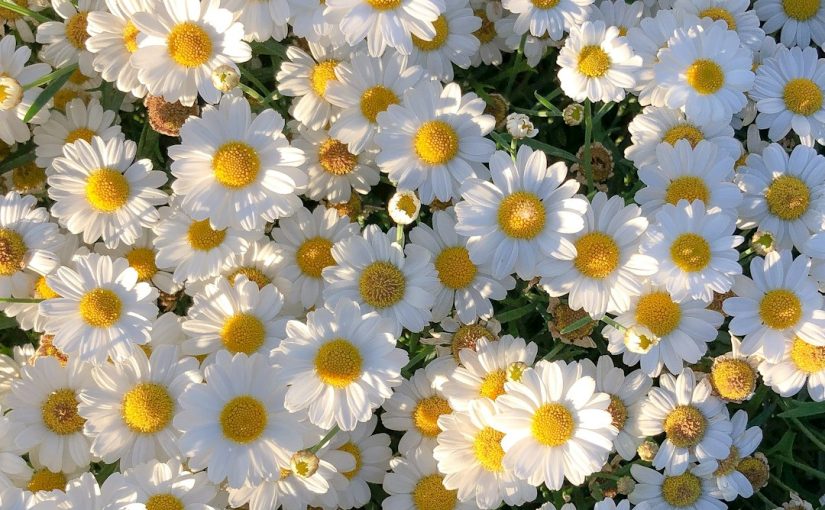
The Euryops daisy, with its vibrant yellow blooms and delicate, fern-like foliage, is a beloved addition to many gardens. Known for its cheerful disposition and relatively low-maintenance nature, it brings a continuous splash of color from spring through fall, and often into winter in milder climates. However, even the most resilient plants can encounter issues, leaving gardeners scratching their heads when their cheerful daisy suddenly looks less than vibrant. Understanding how to diagnose and address these common problems is key to keeping your Euryops thriving. This guide will walk you through the essential troubleshooting steps, from identifying environmental stressors to tackling pests and diseases, ensuring your plant remains a radiant focal point in your landscape.
Initial assessment and environmental factors
When your Euryops daisy starts showing signs of distress, the first step is always a thorough visual inspection. Begin by examining the entire plant: look at the leaves, stems, and blooms. Are the leaves yellowing, browning, or wilting? Are there any spots, holes, or visible pests? Once you’ve noted the symptoms, consider the immediate environment. Euryops daisies are sun-loving plants, typically requiring at least six hours of direct sunlight daily. Insufficient light can lead to leggy growth and reduced flowering. Conversely, while they love sun, extreme heat paired with inadequate watering can cause stress, leading to scorched leaves or wilting. Observe your plant’s location – has anything changed regarding its sun exposure? Nearby growth may now be casting more shade than before. Soil composition and drainage are also critical. Euryops prefer well-draining soil and do not tolerate soggy conditions. A quick check of the soil’s moisture level and texture can often reveal underlying issues related to water retention or lack thereof.
Watering woes and soil solutions
Watering is arguably the most common factor in plant health, and getting it right for your Euryops daisy is crucial. Both overwatering and underwatering can present similar symptoms, such as wilting, making diagnosis tricky. If your plant is wilting and the soil is bone dry several inches down, it’s likely underwatered. Euryops prefer consistent moisture, especially during dry spells, but they also need the soil to dry out slightly between waterings. Conversely, if the soil is consistently soggy, and the leaves are yellowing, particularly the lower ones, or turning brown and soft, you’re likely overwatering. This can lead to root rot, a serious fungal issue that suffocates the roots. To remedy this, ensure your plant is in well-draining soil, ideally a sandy loam mix. If potted, verify drainage holes aren’t blocked. For in-ground plants, consider amending heavy clay soils with organic matter like compost to improve drainage. Here’s a quick look at common symptoms and their likely causes:
| Symptom | Potential Cause | Suggested Action |
|---|---|---|
| Wilting leaves, dry soil | Underwatering | Water thoroughly, ensure consistent moisture. |
| Yellowing lower leaves, soggy soil | Overwatering, Root rot | Reduce watering, improve drainage, consider repotting. |
| Brown, crispy leaf edges | Underwatering, Sun scorch, Low humidity | Increase water, move to partial afternoon shade if intense sun, mist. |
| Stunted growth, pale leaves | Nutrient deficiency, Insufficient light | Fertilize with balanced feed, ensure adequate sunlight. |
Nutrient deficiencies and pest vigilance
Even with proper watering and sunlight, a Euryops daisy can suffer if it’s not receiving adequate nutrients. Yellowing leaves, especially older ones, can indicate a nitrogen deficiency, while overall pale green leaves and stunted growth might point to a general lack of essential nutrients. A balanced, slow-release fertilizer applied during the growing season can help address these issues. Always follow package instructions to avoid over-fertilization, which can burn roots. Beyond nutrients, pests can quickly take a toll. Keep an eye out for common culprits like aphids, which are tiny, pear-shaped insects often found clustered on new growth and the undersides of leaves. They suck sap, causing leaves to curl and distort, and often leave behind a sticky residue called honeydew. Spider mites are another common problem, especially in hot, dry conditions; look for fine webbing and tiny red or brown dots on leaves. Mealybugs appear as white, cottony masses on stems and leaf axils. For minor infestations, a strong spray of water can dislodge pests. For more persistent problems, insecticidal soap or neem oil can be effective, applied thoroughly to all affected areas of the plant.
Pruning problems and disease detection
Proper pruning is essential for the Euryops daisy’s health and vigorous flowering, but incorrect techniques can stress the plant. Regularly deadheading spent blooms encourages more flowers and prevents the plant from expending energy on seed production. However, cutting back too severely, especially into old, woody growth, can shock the plant and inhibit new growth. Aim for light, shaping prunes after the main flush of blooms or in late winter/early spring to maintain its desired size and encourage bushiness. As for diseases, Euryops daisies are generally quite resistant, but certain conditions can make them susceptible. Root rot, as mentioned, is primarily a result of overwatering. Powdery mildew, characterized by a white, powdery coating on leaves and stems, can occur in humid conditions with poor air circulation. Ensure good spacing between plants and avoid overhead watering to minimize this risk. If detected, remove affected leaves and consider an organic fungicide. Early detection and prompt action are vital for preventing diseases from spreading and significantly impacting your plant’s vitality. Regularly inspecting your plant for any unusual spots, lesions, or changes in texture can help you catch potential issues before they become severe.
Troubleshooting your Euryops daisy effectively boils down to keen observation and understanding its basic needs. By systematically checking environmental factors such as sunlight and soil, carefully managing watering, addressing potential nutrient deficiencies, and remaining vigilant against pests and diseases, you can resolve most issues before they become critical. Remember, a plant’s health is often a reflection of its care, and even small adjustments can make a significant difference. Don’t be discouraged by initial setbacks; every gardener faces challenges. With a little patience and the right approach, you can restore your Euryops daisy to its full, cheerful glory. Embrace the learning process, and enjoy the reward of a thriving, vibrant plant that brightens your garden for seasons to come. Your daisy will thank you with a profusion of its characteristic sunny blooms.
Image by: Ranurte