The majestic sunflower, with its bright, face-like blooms, is a symbol of summer and vitality. Often, as you admire these giants reaching for the sun, you might notice tiny, industrious ants scurrying across their stems, leaves, and even the base of their flower heads. This isn’t merely a casual visit; it’s a fascinating and intricate natural partnership. Far from being a nuisance, these small insects play a significant role in the sunflower’s life cycle and defense strategies. This article will delve into the remarkable connection between sunflowers and ants, revealing a compelling story of mutual benefit where sweet rewards lead to powerful protection, showcasing yet another example of nature’s ingenious adaptations in the plant kingdom.
The sunflower’s sweet secret: extrafloral nectaries
To understand the relationship between sunflowers and ants, we must first uncover one of the sunflower’s less-known features: extrafloral nectaries. These are specialized glands that produce nectar, much like the floral nectaries found within flowers to attract pollinators. However, extrafloral nectaries, as their name suggests, are located *outside* the flower itself. On sunflowers, these structures are commonly found on the bracts that cup the flower head, along the petioles (leaf stalks), and sometimes on the leaves themselves. Their purpose is entirely different from drawing bees or butterflies for pollination.
The nectar secreted by these extrafloral nectaries is a sugary solution, rich in carbohydrates and sometimes amino acids. This sweet offering is a deliberate evolutionary strategy by the sunflower. It’s a bribe, if you will, intended to attract a different kind of visitor: ants. By providing a readily available and accessible food source away from its reproductive organs, the sunflower enlists a dedicated team of bodyguards, turning potential pests into vital allies.
The ant’s role: protection and pest control
For ants, the extrafloral nectar represents a valuable and consistent food source, particularly in environments where other sugary treats might be scarce. Ants are highly efficient foragers, and once they discover a reliable nectar source, they will communicate its location to their colony, leading to an increased presence on the plant. This presence is precisely what the sunflower needs.
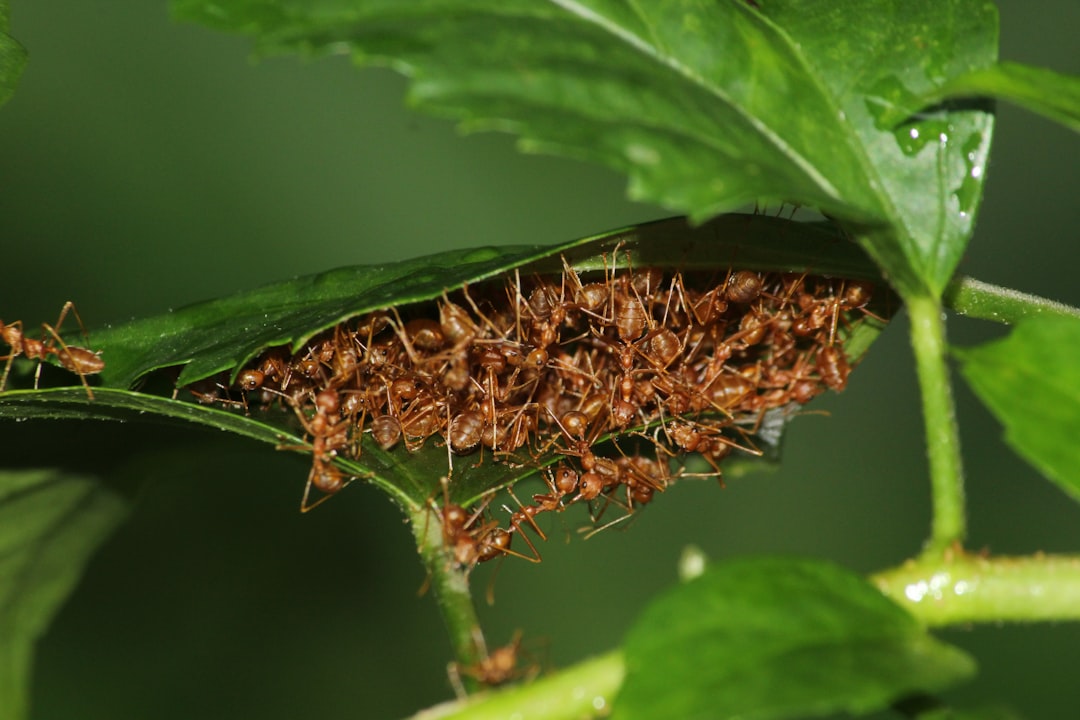
The ants, in their pursuit of nectar, actively patrol the sunflower plant. As they move across stems and leaves, they encounter other insects that might pose a threat to the sunflower. These threats include various herbivores, such as caterpillars that chew on leaves, aphids that suck plant sap, and even larger insects like grasshoppers. When an ant encounters such a pest, its natural predatory and territorial instincts kick in. The ants will attack, bite, dislodge, or simply deter these herbivores, effectively protecting the sunflower from damage. This defense is especially critical during the sunflower’s vulnerable growth stages when pest infestations can severely impact its health and yield.
| Common Sunflower Pests | Ant Defensive Action |
|---|---|
| Caterpillars (e.g., sunflower moth larvae) | Aggressive attacks, biting, dislodging from plant tissue |
| Aphids (if not an alternative honeydew source) | Removal, deterrence from sap-feeding sites |
| Leaf-footed bugs and other piercing-sucking insects | Harassment, driving away from feeding areas |
| Small grasshoppers and other chewing insects | Swarming, aggressive defense, preventing prolonged feeding |
A closer look at the mutualism: specific examples and mechanisms
This interaction is a classic example of mutualism, a type of symbiotic relationship where both species benefit. The sunflower invests energy into producing nectar, which might seem costly, but the benefit of reduced herbivore damage far outweighs this investment. Healthy, undamaged leaves and stems mean more efficient photosynthesis, better resource allocation to flower and seed production, and ultimately, greater reproductive success.
Numerous scientific studies have documented the effectiveness of this ant-plant mutualism. For instance, research has shown that sunflowers with active ant populations on their extrafloral nectaries experience significantly less damage from caterpillars and other chewing insects compared to those where ants are excluded. The specific ant species involved can vary by region, but common ant genera like Formica, Lasius, and Crematogaster are frequently observed participating in such protective roles. The ants’ continuous patrolling acts as a deterrent, even without direct confrontation, as many pests instinctively avoid plants teeming with ants.
Beyond the basics: variations and ecological implications
While the sunflower-ant relationship is predominantly mutualistic, it’s important to acknowledge that ecological interactions are rarely black and white. In some scenarios, ants might tend aphids on other parts of a plant for their honeydew, which could be detrimental. However, with extrafloral nectaries providing a direct and abundant food source, ants are generally incentivized to protect the plant producing their sugary meal from *other* herbivores, including those that might compete with their nectar supply or damage the plant itself.
The phenomenon of extrafloral nectaries is not exclusive to sunflowers. Many plant species across diverse families utilize this strategy to recruit ant bodyguards, highlighting its evolutionary success. From cotton plants to cherry trees and passionflowers, these “sweet secrets” play a crucial role in plant defense. This widespread strategy underscores the significant ecological role ants play not just as decomposers or predators, but also as vital partners in maintaining the health and resilience of plant communities. Understanding these intricate connections enriches our appreciation for the complex web of life that sustains our ecosystems.
The seemingly simple presence of ants on a sunflower reveals a remarkably sophisticated biological partnership. The sunflower, through its ingenious extrafloral nectaries, offers a sweet reward in the form of nectar. In return, the ants act as vigilant bodyguards, protecting the plant from a myriad of herbivorous pests that could otherwise cause significant damage. This mutualistic relationship highlights the elegance and efficiency of natural selection, where both species evolve traits that benefit each other’s survival and reproductive success. It’s a powerful reminder that even the smallest creatures can play monumental roles in the grand tapestry of life, demonstrating the intricate and often hidden connections that bind our world together. So, the next time you see ants bustling on a sunflower, remember that you’re witnessing a prime example of nature’s brilliant collaborative design at work.