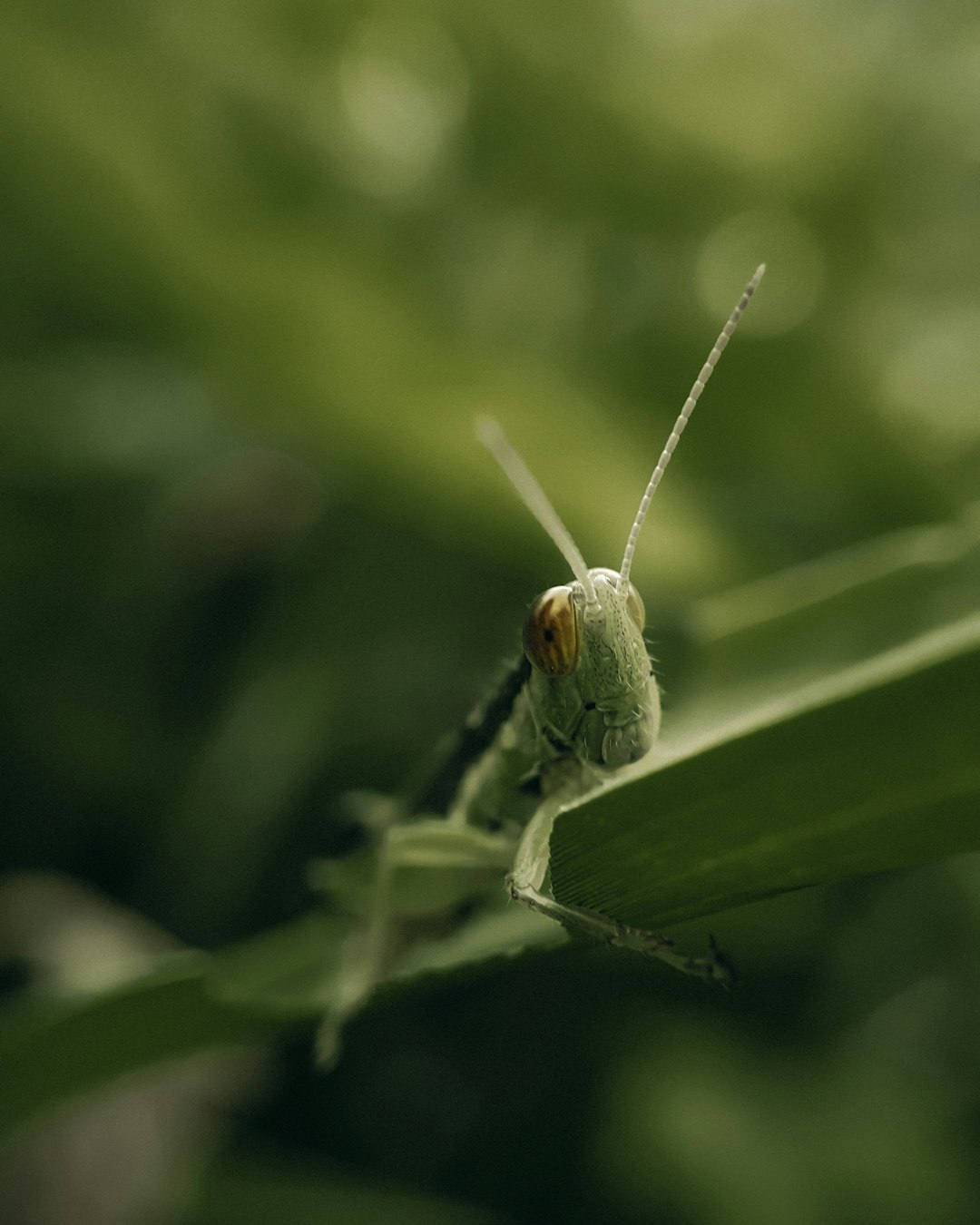
Discovering an unwelcome bustling of bugs in your ceiling can quickly turn a comfortable home into a source of anxiety. Whether it is the subtle scuttling of tiny insects, the distinct buzz of a hidden nest, or the unsettling sight of droppings, these unwelcome guests are not just a nuisance; they can indicate structural issues, potential damage, or even health risks. Addressing bugs in the ceiling effectively requires a systematic approach, beginning with accurate identification and extending through strategic removal and crucial preventative measures. This comprehensive guide will walk you through the necessary steps to reclaim your peace of mind and ensure your home remains a bug-free sanctuary from the attic downwards.
Identifying the culprits and understanding their entry points
The first and most crucial step in effectively ridding your ceiling of bugs is to accurately identify the specific type of pest you are dealing with. Different insects require different strategies for removal and prevention. A visual inspection, listening for sounds, and noting any droppings or webs can provide valuable clues.
- Ants: Often found in trails, ants might be nesting in insulation or seeking food resources. You may see them emerging from small cracks or light fixtures.
- Spiders: While generally harmless, spiders create webs and can be unsettling. They often enter through small gaps, seeking shelter or prey.
- Wasps or hornets: A persistent buzzing sound, especially near vents or soffits, could indicate a nest. Exercise extreme caution, as stings can be painful or dangerous.
- Cluster flies or ladybugs: These insects often gather in attics and wall voids during cooler months, seeking warmth. They become noticeable when temperatures rise, sometimes emerging in large numbers.
- Termites: A far more serious threat, termites leave mud tubes, discarded wings, or cause hollow-sounding wood. Their presence demands immediate professional attention due to potential structural damage.
Understanding how these pests gain access to your ceiling is equally vital. Common entry points include gaps around utility lines, unsealed attic access doors, cracks in the fascia or soffits, loose roof shingles, uncapped chimneys, or even small openings around window frames that lead into wall voids connected to the ceiling space. A thorough inspection of your home’s exterior and attic space is essential to pinpoint these vulnerabilities.
Initial steps for a pest-free ceiling: inspection and cleaning
Once you have an idea of who your uninvited guests are, it is time to take immediate action. Always prioritize safety during this process. Use a sturdy ladder, wear protective gear such as gloves, a mask, and even safety glasses, especially when dealing with dusty attics or potential irritants.
Begin with a comprehensive inspection of the affected ceiling area and, if accessible, the attic above it. Use a powerful flashlight to illuminate dark corners and look for any signs of activity: droppings, shed skins, webs, nests, or actual live insects. Pay close attention to corners, edges, light fixtures, and any areas where the ceiling meets a wall. If you have attic access, carefully inspect the insulation, rafters, and eaves for nests, damage, or entry points from the outside.
After your inspection, the next step is immediate cleaning. A powerful vacuum cleaner with appropriate attachments can effectively remove visible bugs, webs, and debris. This provides immediate relief and helps you better assess the extent of the infestation. For wasps or hornets, ensure the nest is inactive or call a professional before vacuuming. Following the vacuuming, wipe down ceiling surfaces with a mild cleaning solution. For minor spider or ant issues, a mixture of white vinegar and water or a diluted essential oil (like peppermint) can act as a natural deterrent.
Strategic pest control methods for different invaders
With identification and initial cleaning complete, you can now apply targeted pest control methods based on the specific type of bug. The approach will vary significantly depending on the pest.
- Ants: For ants, bait stations are highly effective. Worker ants carry the poisoned bait back to the colony, eliminating the source. You can also use residual sprays around suspected entry points, but baiting is generally preferred for colony elimination.
- Spiders: Regular vacuuming of webs is the primary method. Sealing cracks and gaps will prevent new spiders from entering. Insecticidal dusts can be applied to attics or wall voids where spiders are prevalent, but always read product labels carefully.
- Wasps and hornets: If you suspect an active nest in your ceiling or attic, extreme caution is advised. For small, inactive nests, you might be able to remove them. However, for active or large nests, especially aggressive species, it is strongly recommended to contact a professional pest control service. They have the expertise and equipment to remove nests safely.
- Cluster flies and ladybugs: These overwintering pests are best controlled by preventing their entry in the first place (see prevention section). Once inside, vacuuming them up is often the most practical solution. Insecticidal dusts can be applied in wall voids or attics by a professional if the infestation is severe.
- Termites: If you suspect termites, do not attempt DIY treatments. Termite infestations require specialized knowledge and treatments, often involving bait systems or liquid termiticides applied by licensed professionals. Ignoring them can lead to significant structural damage.
For persistent insect problems in attics or wall voids, insecticidal dusts can be effective as they remain active for longer periods in undisturbed areas. Always follow product instructions meticulously and consider professional help for more complex or hazardous applications.
Prevention is key: sealing, maintenance, and ongoing vigilance
The most effective strategy against bugs in the ceiling, or anywhere in your home, is proactive prevention. Once you have removed existing pests, the goal is to prevent them from returning. This involves sealing entry points, regular maintenance, and ongoing vigilance.
Start by meticulously sealing all potential entry points on the exterior of your home. This includes:
- Caulking cracks and crevices around windows, doors, and utility line penetrations.
- Repairing or replacing damaged screens on windows and vents.
- Ensuring soffits and fascia are intact and free of gaps.
- Checking the roofline for loose shingles or gaps around flashing.
- Installing mesh screens over attic vents, chimneys, and other openings.
Regular home maintenance also plays a critical role. Trim tree branches and shrubs away from your house, as they can provide bridges for insects to access your roof and upper levels. Clean gutters regularly to prevent water buildup, which can attract various pests. Store firewood at least 20 feet away from your foundation and elevate it off the ground. In your attic, ensure proper ventilation to reduce moisture, as damp environments attract many insects. Decluttering attic spaces eliminates potential harborage sites for pests.
Consider the benefits of regular professional pest control inspections, especially if you live in an area prone to specific pests. A professional can identify vulnerabilities you might miss and apply preventative treatments that offer long-term protection.
| Pest type | Common entry points | Effective prevention strategies |
|---|---|---|
| Ants | Cracks in foundation, gaps around wires/pipes | Seal cracks, trim vegetation, store food in sealed containers |
| Spiders | Gaps around windows/doors, vents, unsealed attics | Seal gaps, regular cleaning, exterior perimeter sprays |
| Wasps/Hornets | Gaps in soffits, eaves, uncapped chimneys | Seal structural gaps, inspect eaves/attics regularly, professional nest removal |
| Cluster flies/Ladybugs | Gaps in siding, windows, attic vents | Seal exterior cracks/openings, screening of vents |
| Termites | Wood-to-ground contact, foundation cracks | Professional inspection, moisture control, chemical barrier treatments |
Taking a multi-faceted approach, combining structural sealing with good housekeeping and targeted treatments, will significantly reduce the likelihood of future bug infestations in your ceiling.
Effectively addressing bugs in your ceiling is a journey that moves from initial detection to long-term prevention. We have explored the critical steps, beginning with the precise identification of the pests, which dictates the subsequent course of action. Following this, we delved into immediate response strategies, emphasizing thorough inspection and cleaning as crucial first steps to mitigate the current infestation. The discussion then progressed to strategic pest control methods, highlighting tailored treatments for various types of bugs while underscoring the importance of safety and knowing when to enlist professional help, especially for hazardous pests like wasps or destructive ones like termites. Finally, we outlined the indispensable role of prevention through sealing entry points, diligent home maintenance, and consistent vigilance. By adopting this comprehensive approach, homeowners can not only eliminate existing ceiling invaders but also establish a robust defense against future infestations. Remember, a proactive stance today ensures a pest-free and comfortable living environment tomorrow, protecting both your home and your peace of mind.