Cantaloupe, with its sweet aroma and refreshing flesh, is a beloved summer fruit enjoyed by many. But before it reaches our tables, this delectable melon undergoes a fascinating and intricate journey from a tiny seed to a ripe, ready-to-eat fruit. Understanding the distinct growth stages of cantaloupe is crucial for both home gardeners and commercial cultivators aiming for a bountiful and high-quality harvest. Each phase presents unique requirements and challenges, influencing the plant’s overall health and the fruit’s final flavor and texture. This article will delve into these essential developmental stages, providing insights into what happens at each step and how to best support your cantaloupe plants for optimal growth and yield.
Seed germination and seedling establishment
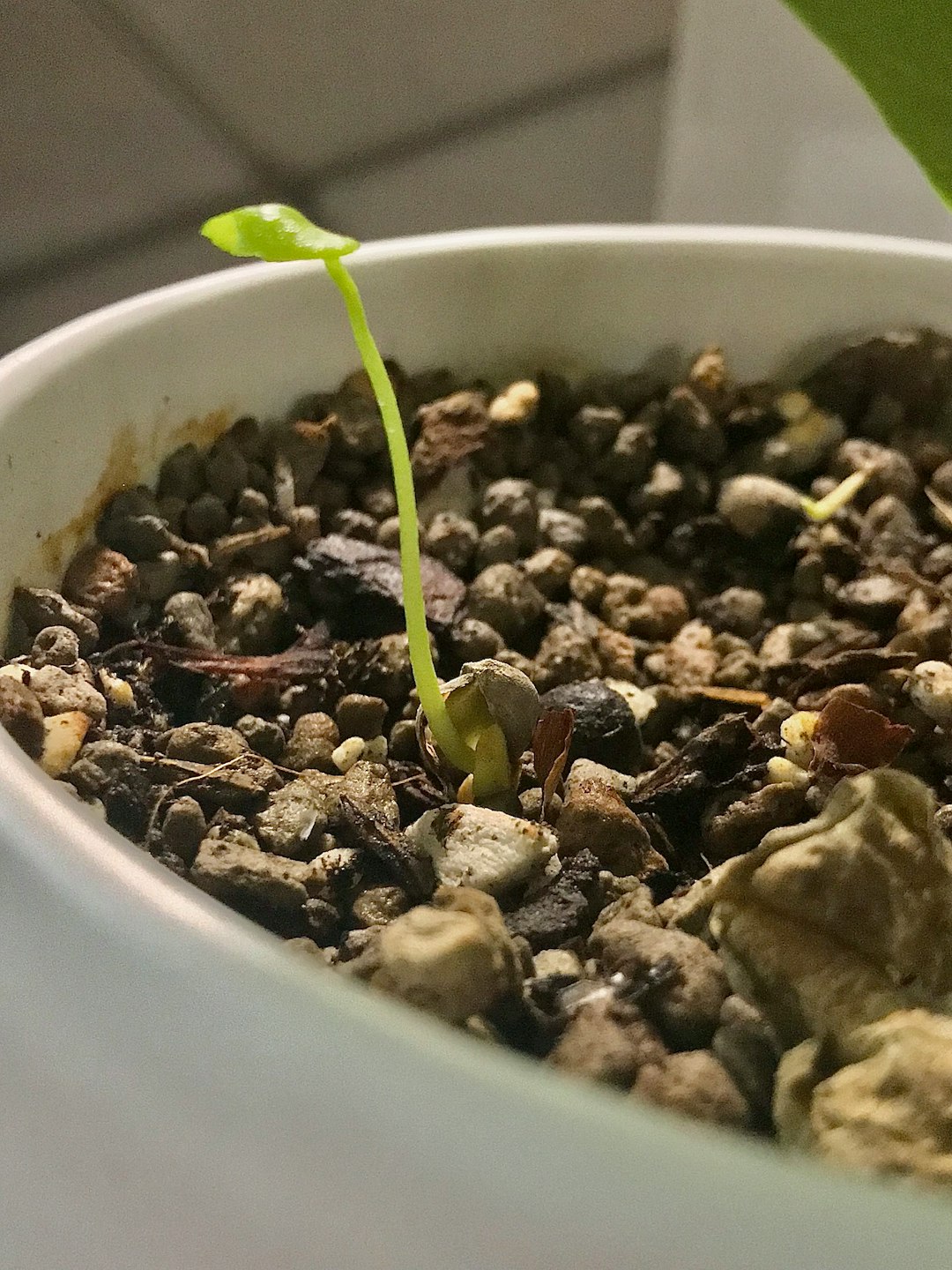
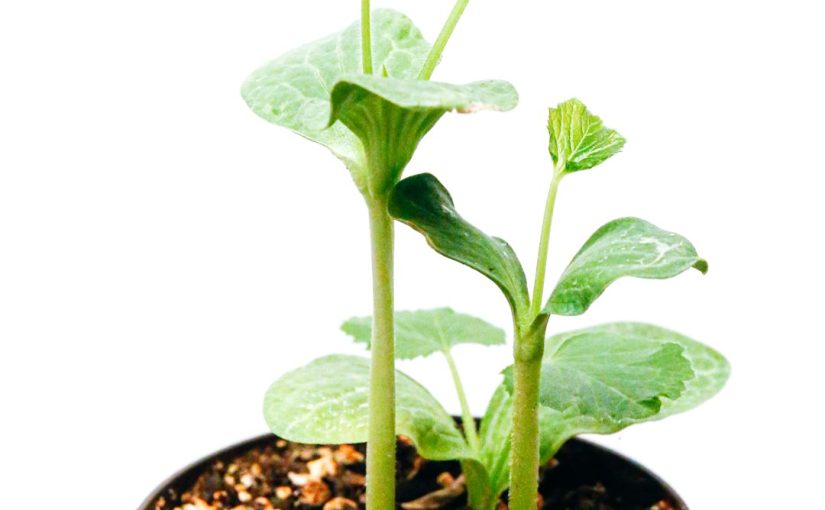
The life of a cantaloupe plant begins with a seed, a tiny package of potential. For successful germination, these seeds require warmth, consistent moisture, and good air circulation. Optimal soil temperatures typically range between 65-85°F (18-29°C). Once planted, usually about 1 inch deep, the seed absorbs water, swelling and triggering metabolic processes. Within 5-10 days, depending on conditions, the radicle emerges, anchoring the plant, followed by the hypocotyl pushing through the soil, carrying the two cotyledons, or “seed leaves.” These cotyledons are essential for early photosynthesis, providing energy until the first true leaves develop. The true leaves, which emerge shortly after, are the initial indicators of the plant’s mature leaf structure and mark the transition from relying on stored energy to active photosynthesis.
Vegetative development and vining
Following the emergence of true leaves, the cantaloupe plant enters a period of rapid vegetative growth. This stage is characterized by extensive vine elongation and the development of a lush canopy of broad, lobed leaves. Cantaloupe plants are enthusiastic vining crops, and their tendrils quickly reach out, seeking support or spreading across the ground. During this phase, the plant is building its photosynthetic engine, developing the leaf surface area needed to capture sunlight and convert it into energy for future fruit production. Adequate sunlight, consistent watering, and balanced nutrient availability, particularly nitrogen, are vital during this stage to promote strong, healthy vine and leaf growth. A robust vegetative foundation is critical for supporting the weight and nutritional demands of developing fruits later on.
Flowering and initial fruit set
As the vines mature, typically around 35-55 days after planting, the cantaloupe plant begins to produce flowers. Cantaloupe plants bear both male and female flowers, usually on the same plant, a characteristic known as monoecious. The male flowers, which appear first and are more numerous, are borne on slender stalks. The female flowers are easily identifiable by the small, swollen ovary at their base, which resembles a tiny cantaloupe fruit. For successful fruit set, pollen from a male flower must be transferred to a female flower, a process primarily carried out by insects like bees. Without adequate pollination, female flowers will simply drop off the vine without forming fruit. After successful pollination, the tiny ovary at the base of the female flower begins to swell, marking the beginning of fruit development. Environmental factors such as temperature extremes or a lack of pollinators can significantly impact fruit set during this critical period.
Fruit maturation and ripening
Once pollinated and set, the small cantaloupe fruit begins its remarkable journey of maturation. This stage is a prolonged period of growth, from the size of a marble to a full-sized melon, typically taking 50-80 days from fruit set to harvest. Initially, the fruit expands rapidly, and its skin begins to develop the characteristic “netting,” a raised, corky pattern unique to cantaloupes. As the fruit approaches ripeness, several key changes occur: its skin color transitions from green to a more buff or creamy yellow, and the melon emits a noticeable, sweet aroma. Internally, sugars accumulate, increasing the fruit’s sweetness, and the flesh softens. A crucial indicator of ripeness for many cantaloupe varieties is the “full slip” stage, where the stem easily detaches from the fruit with a gentle tug, leaving a clean scar. This indicates the formation of an abscission layer, signaling that the fruit has reached its peak sweetness and is ready for harvest.
| Growth stage | Approximate duration (from planting) | Key characteristics |
|---|---|---|
| Seed germination & seedling | 5-10 days | Emergence of cotyledons, first true leaves appear |
| Vegetative growth & vining | 15-40 days | Rapid vine elongation, extensive leaf development |
| Flowering & fruit set | 35-55 days | Male and female flowers appear, pollination, small fruit formation |
| Fruit maturation & ripening | 50-80 days (from fruit set to harvest) | Fruit enlargement, netting develops, color change, “slip” stage |
Conclusion
From the unassuming seed to the sweet, fragrant melon, the growth stages of cantaloupe offer a fascinating glimpse into the plant kingdom’s intricacies. We’ve explored the journey, beginning with the delicate process of seed germination and the establishment of the young seedling, where the initial true leaves emerge. This progresses into the vigorous vegetative phase, marked by rapid vine elongation and the development of a robust leaf canopy crucial for photosynthesis. Subsequently, the plant transitions to flowering and fruit set, a critical period reliant on successful pollination by beneficial insects. Finally, the lengthy process of fruit maturation and ripening concludes the cycle, culminating in the development of the fruit’s characteristic netting, color, aroma, and the pivotal “slip” stage indicating peak ripeness. Understanding these distinct phases allows growers to provide tailored care, optimizing conditions at each step for healthy plants and, ultimately, a deliciously sweet and abundant cantaloupe harvest.
Image by: Suri Huang