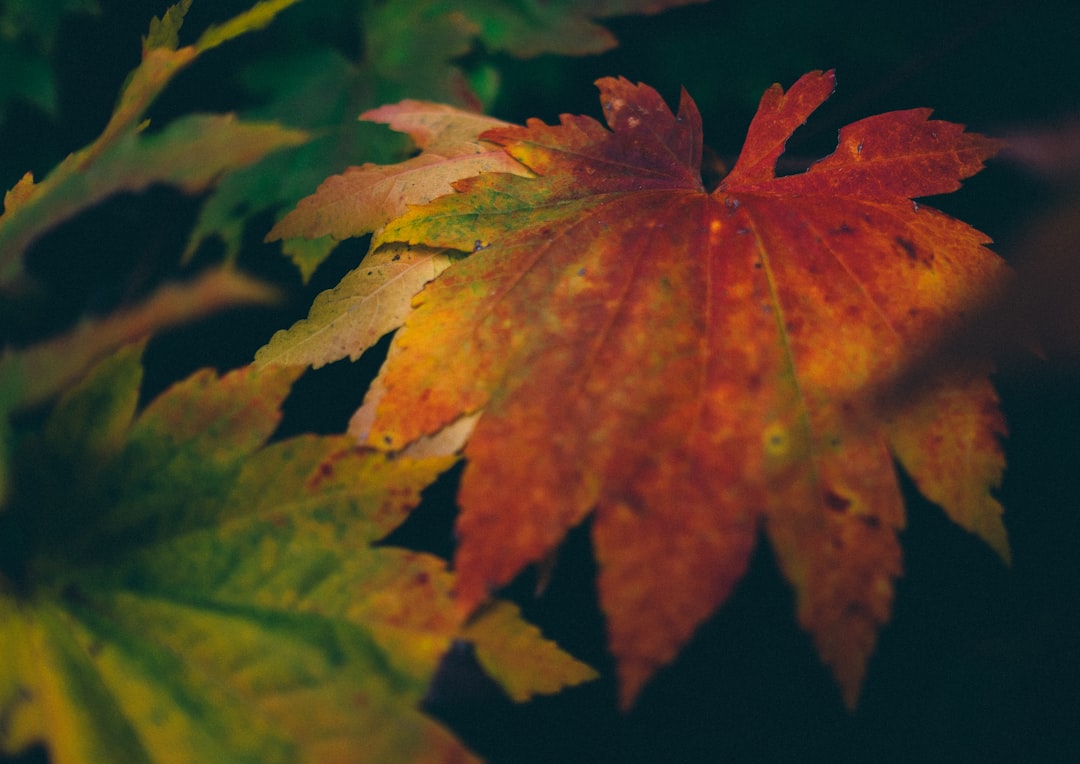
The fiery autumn display of a Burning Bush (Euonymus alatus) is a cherished sight in many landscapes, renowned for its intense crimson foliage. However, when this vibrant shrub suddenly begins to shed its leaves prematurely, it can be a cause for significant concern for any gardener. A healthy Burning Bush should maintain its dense canopy throughout the growing season, only dropping leaves as part of its natural dormancy cycle in late fall. Understanding the underlying reasons for unexpected leaf loss is crucial for diagnosing the problem and implementing effective solutions to restore your plant’s health and iconic beauty. This article will delve into the various factors that can lead to a Burning Bush losing its leaves, from environmental stressors to pests and diseases.
Environmental stressors: When nature fights back
One of the most common culprits behind a Burning Bush shedding its leaves prematurely is environmental stress. These resilient plants thrive in specific conditions, and deviations from their ideal environment can quickly manifest as foliage problems. Primarily, improper watering is a significant factor. Both underwatering and overwatering can lead to leaf loss.
- Underwatering: During periods of drought or if the shrub is planted in fast-draining soil without sufficient irrigation, the plant may respond by shedding leaves to conserve moisture. Leaves might appear dull, wilted, and crispy before they drop.
- Overwatering: Conversely, too much water, especially in poorly draining soil, can suffocate the roots, leading to root rot. Affected roots cannot absorb water and nutrients, causing the leaves to yellow, wilt, and eventually drop, often appearing mushy or waterlogged.
Temperature extremes also play a role. Sudden heat waves can scorch leaves and prompt shedding as a defense mechanism, while unexpected late frosts in spring or early frosts in fall can damage tender new growth, causing it to shrivel and drop. Furthermore, the amount of sunlight your Burning Bush receives is vital. While they prefer full sun to partial shade, intense, unfiltered afternoon sun in very hot climates can sometimes lead to leaf burn and subsequent loss. Finally, soil conditions, including pH imbalance or nutrient deficiencies, can also weaken the plant, making it more susceptible to stress and encouraging leaf drop. A soil test can help identify these issues.
| Environmental factor | Symptoms of leaf loss | Recommended action |
|---|---|---|
| Underwatering/drought | Crisp, dry, yellowing leaves; wilting; rapid shedding. | Deep, consistent watering (1 inch per week), especially during dry spells. |
| Overwatering/poor drainage | Yellowing, wilting, soft or mushy leaves; dark stems; gradual shedding. | Improve drainage; water less frequently after soil dries slightly. |
| Heat stress/sun scorch | Brown, brittle leaf edges; bleached spots; rapid shedding in summer. | Provide afternoon shade; ensure adequate water; apply mulch. |
| Nutrient deficiency | Pale green or yellow leaves; stunted growth; overall weak appearance. | Conduct a soil test; apply balanced slow-release fertilizer if needed. |
Pest and disease pressures: Tiny threats, big problems
Even a robust Burning Bush can fall victim to various pests and diseases that compromise its health and lead to leaf defoliation. Identifying these invaders early is key to effective management.
- Euonymus scale: This is perhaps the most notorious pest for Burning Bushes. These tiny, sap-sucking insects appear as white, waxy specks on stems and the undersides of leaves, sometimes resembling cottony masses. They extract vital fluids from the plant, causing leaves to yellow, turn brown, and eventually drop. Severe infestations can significantly weaken or even kill the shrub. Control often involves horticultural oils or insecticides.
- Spider mites: Though microscopic, spider mites can cause significant damage, especially in hot, dry conditions. They feed on plant cells, leading to a stippled or speckled appearance on the leaves, followed by bronzing, curling, and premature leaf drop. Fine webbing may be visible on the undersides of leaves or between branches. Strong streams of water or miticides can help manage infestations.
- Other scale insects: While euonymus scale is specific, other general scale insects can also infest Burning Bushes, causing similar symptoms of sap depletion and leaf loss.
- Root rot: Often a secondary consequence of overwatering, various fungal pathogens can cause root rot. As discussed, damaged roots cannot support the foliage, leading to yellowing, wilting, and widespread leaf drop. Preventing root rot is primarily about ensuring good drainage and appropriate watering practices. Once severe, treatment can be challenging, often requiring removal of affected roots and fungicidal applications.
Regular inspection of your Burning Bush, particularly the undersides of leaves and stems, can help catch pest and disease problems before they become severe. Prompt action with appropriate organic or chemical treatments is essential for preserving your plant’s foliage.
Transplant shock and improper care: Starting on the wrong foot
Sometimes, the issues leading to leaf loss stem from the plant’s initial establishment or ongoing care practices. Transplant shock is a common phenomenon for newly planted Burning Bushes. When a plant is moved from one location to another, its root system can be disturbed and damaged, making it difficult for the plant to absorb enough water to support its foliage. Symptoms include wilting, yellowing, and leaf drop, often appearing within a few weeks of planting. Proper planting techniques and consistent post-transplant care are critical for minimizing this stress.
Beyond transplant shock, several planting and ongoing care mistakes can contribute to leaf loss:
- Improper planting depth: Planting a Burning Bush too deep can suffocate the root collar, leading to stunted growth and eventual decline. Planting too shallowly can expose sensitive roots to extreme temperatures and dryness.
- Soil compaction: If the soil around the roots is heavily compacted, it restricts root growth and prevents proper air and water penetration, stressing the plant.
- Inadequate spacing: Overcrowding can lead to competition for resources, reduced air circulation, and increased stress, making the plant more vulnerable to problems.
- Lack of mulch: A 2-3 inch layer of organic mulch around the base (keeping it away from the trunk) helps retain soil moisture, regulate soil temperature, and suppress weeds, all of which contribute to a healthier plant less prone to stress-induced leaf loss.
Ensuring your Burning Bush has the best possible start and consistent, appropriate care will significantly reduce the likelihood of it shedding its leaves due to establishment issues or neglect.
Natural processes and dormancy: Part of the cycle
Before jumping to conclusions about disease or distress, it’s important to remember that leaf loss can sometimes be a perfectly natural and healthy process for a Burning Bush. As a deciduous shrub, the Euonymus alatus naturally sheds all its leaves in the fall as it prepares for winter dormancy. This spectacular transformation from green to vibrant red, followed by leaf drop, is a normal part of its life cycle and should not be a cause for concern. The timing of this can vary slightly depending on your specific climate and cultivar, but typically occurs from late September through November.
For newly planted Burning Bushes, some initial leaf drop can also be a normal adjustment period. The plant may shed a few older or less efficient leaves as it establishes its new root system and adapts to its new environment. Unless the defoliation is extensive or accompanied by other signs of distress, a small amount of leaf shedding in the first few weeks after planting is generally not a major worry. Additionally, older leaves on established plants naturally age and are eventually replaced by new growth. A few yellowing leaves at the interior of a dense shrub are often just older foliage being shed to make way for new, healthy leaves. Understanding these natural rhythms helps distinguish between a healthy process and a genuine problem that requires intervention.
When your Burning Bush starts losing its vibrant leaves prematurely, it’s natural to feel a sense of alarm. However, by systematically investigating the potential causes, from environmental stresses like improper watering or extreme temperatures to insidious pests such as euonymus scale and fungal diseases, you can usually pinpoint the issue. Remember that foundational care, including proper planting depth and adequate spacing, significantly contributes to the plant’s long-term health and resilience. While some leaf drop is a natural part of the plant’s deciduous cycle or an adjustment phase for new specimens, persistent or extensive defoliation warrants prompt attention. By understanding the common culprits and applying appropriate solutions, you can help your Burning Bush recover its health and ensure it continues to provide its spectacular fiery display for many seasons to come, remaining a cherished focal point in your garden.
Image by: Anna Kumpan