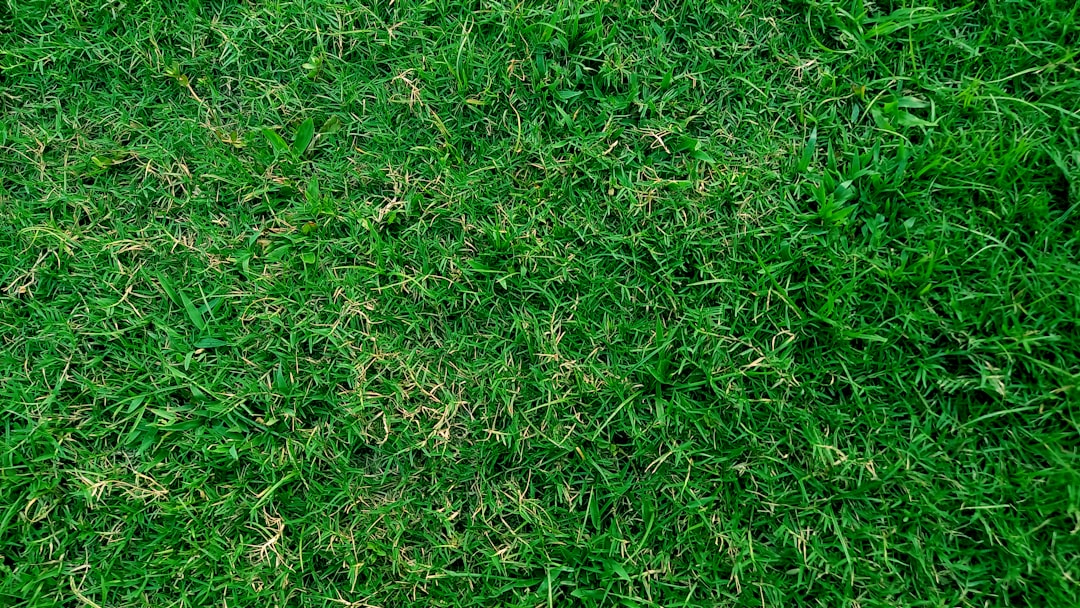
Turf management is a complex art, often requiring a delicate balance of nutrients, pesticides, and environmental conditions to maintain a lush, healthy lawn or sports field. Among the myriad of products available, copper sulfate sometimes emerges as a topic of discussion, particularly concerning its safety. This inorganic salt has a long history of use as an algaecide and fungicide, making it a familiar name in certain landscaping and agricultural contexts. However, its powerful properties beg a crucial question for conscientious turf managers and homeowners alike: Does copper sulfate harm turf? Understanding its mechanisms, potential risks, and best application practices is essential to harnessing its benefits without inadvertently damaging the very greenspace it’s intended to protect.
What is copper sulfate and its role in turf management?
Copper sulfate, chemically represented as CuSO4, is an inorganic salt that appears as blue, crystalline granules when hydrated. Its historical use dates back centuries, and it remains a versatile compound in modern agriculture and horticulture. For turfgrass, copper sulfate primarily serves two functions: as an algaecide and as a fungicide. Its efficacy against algae makes it useful for controlling algal blooms in ponds, lakes, and water features that may be adjacent to or integral parts of a turf environment. Algae can not only be unsightly but also create slippery hazards and deplete oxygen in water bodies.
As a fungicide, copper sulfate acts as a broad-spectrum contact killer. It disrupts enzymatic processes within fungal cells, preventing their growth and reproduction. While not a primary fungicide for all common turf diseases due to its potential for phytotoxicity, it has been historically used, and in some specific situations, still finds application against certain fungal pathogens like some forms of dollar spot, brown patch, or to suppress *Pythium* blight, especially in older formulations or in specific regional practices. Its role is often seen as a preventative measure or a component in an integrated pest management strategy, particularly in non-conventional or historical approaches. However, its powerful nature demands careful consideration and application, as its benefits can quickly turn into liabilities if misused.
The phytotoxicity of copper sulfate on turfgrass
While copper is an essential micronutrient for turfgrass, vital for photosynthesis and respiration, it becomes highly toxic in excess. This phenomenon is known as phytotoxicity, and it’s the primary concern when applying copper sulfate to turf. The harm manifests in several ways: most commonly, a distinctive blue-green discoloration or “burning” of the grass blades, stunted growth, and in severe cases, necrosis leading to widespread turf death. The toxic effect stems from copper ions interfering with cellular processes, inhibiting enzyme activity, and damaging cell membranes.
Several factors amplify copper sulfate’s phytotoxicity:
- Application rate: This is the most critical factor. Exceeding recommended dosages, even slightly, dramatically increases the risk of damage.
- Turf species: Different grass types have varying sensitivities. Bentgrasses and fine fescues, for example, tend to be more susceptible to copper toxicity than some other species like tall fescue or perennial ryegrass.
- Soil pH: Lower soil pH (acidic conditions, typically below 6.0) increases the solubility and availability of copper ions in the soil solution, making them more readily absorbed by plant roots and thus increasing toxicity. In contrast, higher pH levels tend to bind copper, reducing its uptake.
- Environmental conditions: High temperatures, drought stress, or other pre-existing turf stresses can make the grass more vulnerable to chemical burn. Applying copper sulfate under such conditions heightens the risk.
- Repeated applications: Copper does not readily degrade in soil. Consistent, high-dose applications over time can lead to a buildup in the soil, creating a long-term toxic environment for turf and other plants.
Understanding these factors is crucial for assessing the risk and implementing proper preventative measures to avoid irreversible damage to your turf.
Best practices for safe and effective copper sulfate application
Given the potent nature of copper sulfate, precision and adherence to best practices are paramount to mitigate harm while potentially achieving desired effects. The guiding principle for any application should always be “less is more” and “read the label.”
Firstly, *accurate dosage* is non-negotiable. Always consult and strictly follow the product label’s recommended rates for specific applications (e.g., algaecide in water vs. a very rare turf fungicide application). Do not guess or estimate. This often requires calibrating your sprayer to ensure even and precise distribution of the product.
Consider the *turf and soil conditions*. Avoid applying copper sulfate to turf that is already stressed from drought, heat, disease, or recent mechanical damage. Conduct a soil test to determine existing copper levels and soil pH. If soil pH is low (acidic), consider adjusting it before application, as a higher pH helps to complex copper, making it less available and less toxic to plants.
Timing of application is also crucial. Apply during cooler temperatures, preferably in the morning, to allow the product to dry without the added stress of intense midday sun. Avoid applications during periods of extreme heat.
For some applications, especially if accidental overspray onto turf is a concern from aquatic treatments, *post-application watering* may be recommended to wash the copper off the foliage and into the soil, where it may be less readily absorbed by leaf tissue. However, always verify if this is appropriate for the specific product and intended use.
Below is a table summarizing key differences between safe and risky application practices:
| Factor | Safe application practice | Risky application practice |
|---|---|---|
| Dosage | Strict adherence to label rates (e.g., 0.5-1 lb/acre as per specific product guidelines) | Over-application, guessing rates, exceeding label limits |
| Turf condition | Healthy, well-hydrated turf with no existing stress | Stressed, drought-affected, diseased, or newly sodded/seeded turf |
| Soil pH | pH typically above 6.0 (reduces copper availability) | pH below 5.5 (increases copper availability and toxicity) |
| Application timing | Cooler temperatures, morning application, avoiding heat of day | Hot, sunny conditions; applying during peak turf stress |
| Application method | Calibrated sprayer, even distribution, spot treatment where applicable | Uneven spraying, handheld broadcast without calibration or accurate measurement |
| Frequency | Infrequent, as-needed basis, following label intervals | Frequent, routine applications without reassessment of need |
Finally, always wear appropriate *personal protective equipment* (PPE) to protect yourself during handling and application.
Long-term and environmental implications
The persistence of copper in the environment is a significant consideration beyond immediate turf harm. Unlike many organic pesticides that break down over time, elemental copper does not degrade. When copper sulfate is applied to soil, the copper ions bind to soil particles and organic matter. While this can reduce immediate leaching, it also means that copper accumulates over time. Chronic high levels of copper in soil can negatively impact soil microbiology, harming beneficial bacteria, fungi, and invertebrates essential for nutrient cycling and soil health. This disruption can lead to long-term degradation of soil quality and reduced turf vigor, even if immediate phytotoxicity isn’t observed.
Furthermore, improper application or runoff into adjacent water bodies can have serious environmental consequences. Copper is highly toxic to aquatic life, including fish, amphibians, and invertebrates, even at relatively low concentrations. This is why its use as an algaecide in water is carefully regulated. If copper sulfate used for turf inadvertently enters streams, ponds, or drainage systems, it can lead to widespread harm to aquatic ecosystems. Similarly, while less common with proper turf applications, excessive accumulation or heavy rainfall can potentially lead to copper leaching into groundwater, posing a risk to drinking water sources.
Consideration for pets and children is also vital. After application, it’s generally advisable to keep pets and children off the treated area until the product has dried or as specified by the product label, to prevent ingestion or skin contact. Responsible turf management therefore extends beyond the immediate appearance of the lawn to encompass broader ecological stewardship and safety.
In conclusion, the question “Does copper sulfate harm turf?” receives a nuanced answer: *yes, it absolutely can*, but it is not inherently harmful if used with extreme caution and precision. Copper sulfate is a powerful compound with historical applications in turf management, primarily as an algaecide and, in specific contexts, as a fungicide. However, its effectiveness comes with a high risk of phytotoxicity—causing discoloration, stunting, or even death of turfgrass—if applied improperly. The key factors influencing harm include application rate, turf species sensitivity, soil pH, and environmental conditions. To minimize risks, strict adherence to product labels, accurate dosage, sprayer calibration, consideration of turf and soil health, and appropriate timing are critical. Beyond immediate damage, copper sulfate poses long-term concerns due to its persistence and accumulation in soil, potentially harming beneficial soil organisms and presenting environmental risks to aquatic ecosystems if runoff occurs. Therefore, while copper sulfate might have a place in highly specific or professional applications, for most homeowners and turf managers, a thorough understanding of its dangers and a commitment to meticulous application are paramount to preventing harm and ensuring responsible environmental stewardship. When in doubt, consulting a turfgrass professional or opting for less aggressive alternatives is always the safest approach.
Image by: Roger Starnes Sr