The fascinating life cycle: understanding the yellow jacket’s lifespan
Yellow jackets, often mistaken for bees, are a common sight during warmer months, frequently causing concern at outdoor gatherings. These social wasps, scientifically classified under genera like Vespula and Dolichovespula, are more than just picnic crashers; they possess a complex and highly organized life cycle. Their existence, from the solitary emergence of a queen to the bustling activity of a mature colony, is a testament to natural efficiency. Understanding the lifespan of a yellow jacket isn’t as simple as pinpointing the age of an individual insect, but rather involves appreciating the distinct roles and durations within an annual colony cycle. This article will delve into the intricate stages of a yellow jacket’s life, from the queen’s crucial start to the colony’s ultimate decline, providing a comprehensive look at their fascinating biological journey.
The queen’s crucial start
The story of a yellow jacket colony begins with a single, fertilized queen. Unlike honey bees, yellow jacket colonies are annual, meaning only the queen survives the winter. As temperatures begin to rise in early spring, typically around April or May depending on the climate, the overwintering queen emerges from her solitary hibernation spot, often in rotting logs, loose bark, or even attic spaces. Her initial task is monumental: to found an entirely new colony. She alone must forage for food, construct a small, initial nest—often underground in abandoned rodent burrows, in tree cavities, or sometimes in wall voids of buildings—and lay her first batch of eggs. These eggs hatch into larvae, which she painstakingly feeds until they pupate and emerge as the first generation of sterile female workers. This solitary period is critical and incredibly vulnerable for the queen; her survival dictates the colony’s future.
The worker’s short but vital existence
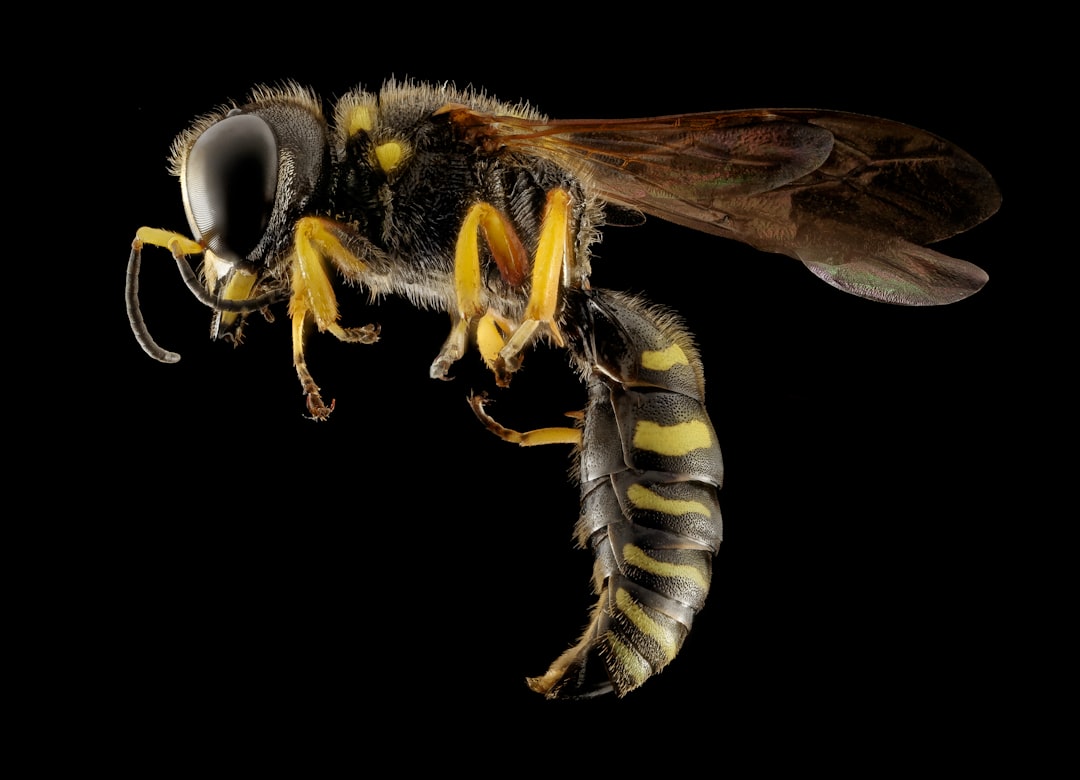
Once the first generation of worker yellow jackets emerges, the queen’s role shifts from primary laborer to egg-laying machine. These sterile female workers, typically 10-15 mm long with their distinctive black and yellow striped patterns, take over all the colony’s operational duties. Their lifespan is remarkably brief, generally lasting only two to four weeks. Despite this short individual existence, their collective effort drives the rapid expansion of the nest and the rearing of thousands of new yellow jackets throughout the summer. Workers are responsible for foraging for food—protein for the developing larvae (insects, carrion) and carbohydrates for themselves and the queen (nectar, fruit, sugary drinks). They also expand and maintain the nest, defend the colony from threats, and care for the queen and the developing brood. This continuous cycle of new workers hatching ensures a constant, growing workforce, allowing the colony to reach its peak population in late summer, sometimes numbering several thousand individuals.
Reproductive phase: males and new queens
As the summer progresses into late August and early September, a significant shift occurs within the yellow jacket colony. Instead of producing only sterile female workers, the queen begins to lay unfertilized eggs that develop into male yellow jackets, known as drones. Simultaneously, she also lays eggs that, under specific conditions including a richer diet provided by workers, will develop into fertile female wasps—the new queens. These reproductive individuals are larger than the workers. Once they mature, the new queens and males leave the natal nest to embark on mating flights. Males typically die shortly after mating. The newly fertilized queens will then seek out protected locations to overwinter, carrying the genetic torch for the next generation. This reproductive phase is crucial for the perpetuation of the species, ensuring that new colonies can be established the following spring.
The colony’s inevitable decline
With the emergence of new queens and males, the original colony enters its final, terminal phase. The old queen, having laid thousands of eggs and served as the cornerstone of the colony for several months, often dies around this time, or her egg-laying capacity significantly diminishes. Without the queen’s pheromones and continuous egg production, the cohesion and purpose of the worker force begin to break down. The dwindling number of workers, coupled with decreasing food availability as autumn progresses and temperatures drop, leads to a decline in their ability to maintain the nest and care for the remaining brood. Workers become less focused and often more aggressive as their food sources diminish and their biological purpose shifts. Eventually, with the onset of persistent cold weather and frosts, the remaining workers and males perish. The entire colony, except for the newly mated queens who are safely hibernating, completely collapses and dies out. The abandoned nest will not be reused the following year.
Here’s a summary of the typical lifespans for different yellow jacket castes:
| Caste | Approximate Lifespan | Role |
|---|---|---|
| Overwintering Queen | Up to 1 year | Founds new colony, lays all eggs |
| Workers (Sterile Females) | 2-4 weeks | Forage, build/maintain nest, care for brood, defend colony |
| Males (Drones) | A few weeks | Mate with new queens |
| New Queens | Up to 1 year (after mating, overwinter) | Leave natal nest, mate, overwinter to found new colony |
In conclusion, the lifespan of a yellow jacket is not a simple, uniform duration but rather a fascinating interplay of individual roles and an annual colony cycle. While individual workers and males live for only a few weeks, their collective effort sustains a thriving colony for several months. The original queen, who kickstarts the entire process, can live for up to a year, embodying the continuity of the species. As autumn arrives, the colony’s focus shifts to reproduction, ensuring that new queens are ready to survive the winter and perpetuate the cycle. This complex biological strategy allows yellow jackets to maximize their reproductive output within a single warm season. By understanding these distinct life spans and the colony’s annual rhythm, we gain a deeper appreciation for these often-maligned insects and can better comprehend their seasonal behaviors and patterns.