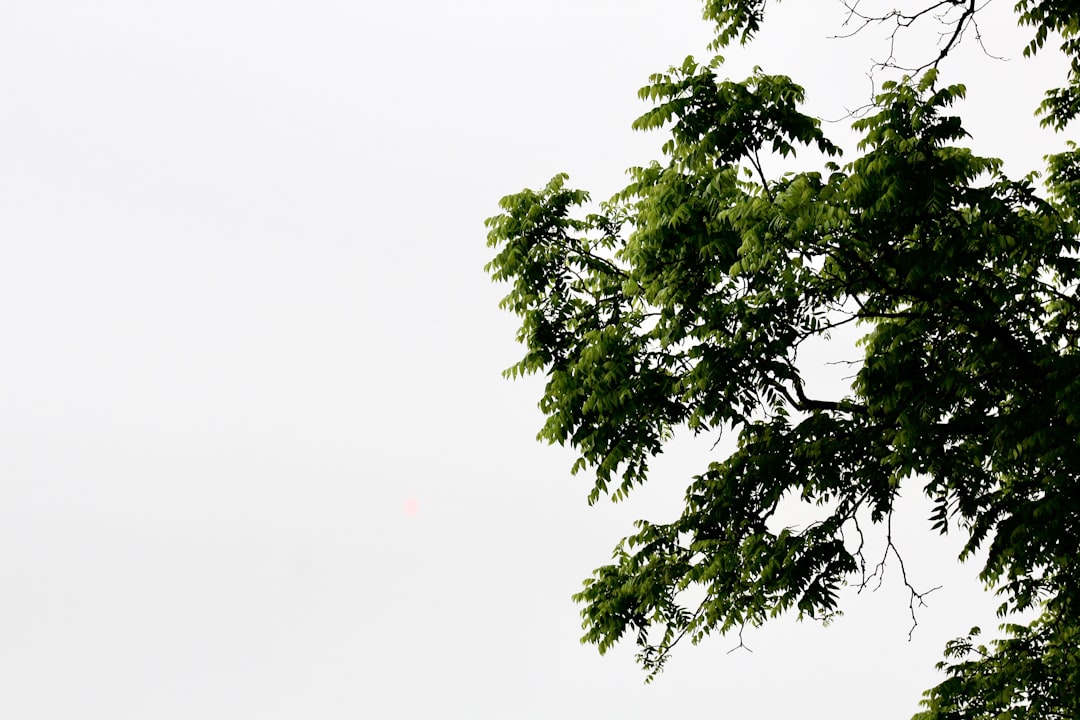
Chinese Pistache (Pistacia chinensis) trees are cherished for their vibrant fall foliage and resilient nature, making them a popular choice for many landscapes. However, witnessing their usually lush green leaves turn an uncharacteristic yellow can be a cause for concern among gardeners and homeowners. This change is not always a sign of impending doom, but rather an indicator that your tree might be experiencing some form of stress or deficiency. Understanding the root causes behind this yellowing—scientifically known as chlorosis—is crucial for effective diagnosis and treatment. In this comprehensive guide, we will explore the primary reasons why your Chinese Pistache leaves might be losing their verdant hue, equipping you with the knowledge to restore your tree to its optimal health.
Watering woes: The hidden stressor
One of the most frequent reasons for yellowing leaves on a Chinese Pistache often boils down to improper watering. Both too much and too little water can cause significant stress to the tree, leading to chlorosis. Understanding your soil type and local climate is key to establishing an appropriate watering regimen.
When a Chinese Pistache is underwatered, its roots struggle to absorb sufficient moisture and nutrients. This scarcity forces the tree to conserve resources, often by shedding leaves or allowing older leaves to yellow and drop. The yellowing in this scenario typically starts from the margins of the leaves and progresses inwards, eventually turning crispy brown. Signs of underwatering include wilting leaves that do not recover overnight, dry, cracked soil, and a general lack of vigor.
Conversely, overwatering is equally detrimental, if not more so, for the Chinese Pistache. These trees prefer well-drained soil and do not tolerate soggy conditions. Excess water saturates the soil, displacing oxygen critical for root respiration. This lack of oxygen can lead to root rot, where the roots begin to decay and lose their ability to absorb water and nutrients, even if they are abundant in the soil. Yellowing from overwatering often appears as an overall pale green to yellow coloration, sometimes with browning at the tips or between the veins. The soil may remain perpetually damp, and the tree may exhibit a general decline. Ensuring good drainage is paramount; if your soil is heavy clay, amending it with organic matter or planting in a slightly raised bed can significantly improve conditions.
Nutrient deficiencies: A deep dive into soil health
Even with perfect watering, your Chinese Pistache leaves might still turn yellow if the tree is lacking essential nutrients. Chlorosis, in many cases, is a direct symptom of nutrient deficiency, especially iron. The availability of these nutrients is heavily influenced by soil pH.
Iron chlorosis is perhaps the most common nutrient-related issue for Chinese Pistache trees, particularly in alkaline soils (pH above 7.0). In high-pH conditions, iron becomes “locked up” and unavailable for the tree to absorb, even if present in the soil. Symptoms of iron chlorosis are distinct: the leaves turn yellow, but the veins remain conspicuously green, creating a striking contrast. This pattern is often more pronounced on new growth.
Other deficiencies can also cause yellowing, though often with different patterns:
- Nitrogen deficiency: General yellowing of older leaves first, as the tree mobilizes nitrogen to new growth.
- Magnesium deficiency: Yellowing between veins, often starting on older leaves, similar to iron but less pronounced green veins.
- Manganese deficiency: Similar to iron, but typically appears on younger leaves.
A soil test is invaluable for identifying specific nutrient deficiencies and understanding your soil’s pH. Based on the results, amendments like chelated iron supplements, sulfur (to lower pH), or balanced fertilizers can be applied to correct the imbalance. Applying iron foliar sprays can offer a temporary fix while you work on long-term soil amendments.
| Nutrient | Typical Yellowing Pattern | Contributing Factors |
|---|---|---|
| Iron (Fe) | Yellow leaves with distinct green veins (interveinal chlorosis), especially on new growth. | High soil pH (alkaline soil), poor drainage, compacted soil. |
| Nitrogen (N) | Overall yellowing of older leaves first, progressing to younger leaves. General paling. | Leaching in sandy soils, insufficient organic matter, heavy rain. |
| Magnesium (Mg) | Interveinal yellowing (green veins, yellowing between) on older leaves, sometimes reddish-brown spots. | Acidic soils, sandy soils, high potassium levels. |
| Manganese (Mn) | Similar to iron chlorosis (interveinal yellowing) but often more pronounced on younger leaves than iron. | High soil pH, cold wet soils, sandy soils. |
Environmental stressors and site suitability
Beyond water and nutrients, external environmental factors can significantly impact the health and leaf color of your Chinese Pistache. These trees are generally hardy, but sudden changes or unsuitable conditions can trigger stress responses, including yellowing.
Transplant shock is a common cause of yellowing leaves in newly planted trees. The disruption to the root system during transplantation makes it difficult for the tree to absorb water and nutrients efficiently. This temporary stress typically resolves as the tree establishes itself, provided proper planting and post-planting care are maintained. Protecting the root ball, ensuring adequate watering, and avoiding excessive fertilization immediately after planting are crucial for recovery.
Temperature extremes can also contribute to chlorosis. Intense heat combined with drought can stress the tree, leading to leaf scorch and premature yellowing. Conversely, unseasonal cold snaps or late frosts after the tree has leafed out can damage tender new foliage, causing it to yellow and potentially die back. Ensuring the tree is planted in a location that offers some protection from harsh winds or afternoon sun, if necessary, can mitigate these effects.
Site suitability is another critical aspect. While Chinese Pistache is adaptable, it performs best in full sun and well-drained soil. Planting it in a perpetually shady, wet, or extremely compacted location will inevitably lead to stress over time, manifesting as poor growth and yellowing leaves. Assessing the site’s conditions before planting can prevent many future problems.
Pests and diseases: Identifying the less obvious culprits
While less common as a direct primary cause of widespread yellowing, certain pests and diseases can contribute to chlorosis, often in conjunction with other symptoms. It is important to inspect your tree closely for any signs of infestation or infection.
Pests such as spider mites, though tiny, can cause damage that results in a stippled, yellowish appearance on leaves, especially on the undersides. Heavy infestations can lead to significant yellowing and premature leaf drop. Aphids, scale insects, or other sap-sucking pests can also weaken the tree, making it more susceptible to stress and nutrient deficiencies, which in turn can lead to yellowing. Inspecting leaves for tiny insects, webbing, or sticky residue (honeydew) can help identify these issues.
Diseases, particularly those affecting the vascular system, can also cause branches or entire sections of the tree to yellow and wilt. Fungal diseases like Verticillium wilt can block the tree’s water and nutrient transport system, leading to sudden yellowing and wilting of leaves on one side of the tree or on individual branches. Cankers or root rot diseases (often linked to overwatering) can also inhibit nutrient flow, causing localized or general chlorosis before browning and dieback. Early detection and proper identification of diseases are key to effective management, sometimes requiring professional intervention.
In summary, the yellowing of Chinese Pistache leaves, while concerning, is often a clear signal from your tree indicating a need for attention. We have explored the most common culprits, ranging from improper watering practices—both insufficient and excessive—to critical nutrient deficiencies, particularly iron chlorosis exacerbated by high pH soils. Environmental stressors such as transplant shock, temperature extremes, and site suitability also play significant roles in the tree’s overall health and leaf color. While less frequent primary causes, certain pests and diseases can also contribute to or precede yellowing. By systematically assessing these factors, from checking soil moisture and pH to observing specific yellowing patterns, you can accurately diagnose the problem. Proactive care, including proper watering, balanced fertilization, and minimizing stress, will ensure your magnificent Chinese Pistache thrives, continuing to provide its spectacular seasonal display for years to come.
Image by: Divazus Fabric Store