Chili pequin, scientifically known as Capsicum annuum var. glabriusculum, is a wild, miniature chili pepper celebrated for its intense heat and unique smoky, nutty flavor profile. Despite their small size, these vibrant red berries pack a significant punch, often registering between 50,000 to 100,000 Scoville Heat Units. Beyond their culinary appeal in salsas, hot sauces, and as a seasoning, pequin peppers are also known for their ornamental value, growing into beautiful, compact bushes adorned with countless bright red peppers. If you’ve ever contemplated cultivating these fiery gems in your own garden, this comprehensive guide will walk you through every essential step, from seed germination to a bountiful harvest, ensuring your success in growing chili pequin.
The ideal environment and site selection
Success with chili pequin begins long before the first seed is sown, with careful consideration of its preferred environment. These peppers thrive in warm climates and demand full sun exposure, meaning at least 6 to 8 hours of direct sunlight daily. A south-facing garden spot or a location with unobstructed overhead light is ideal. When it comes to soil, pequin peppers are not overly fussy but perform best in well-draining, fertile soil rich in organic matter. A slightly acidic to neutral pH level, typically between 6.0 and 7.0, provides the optimal conditions for nutrient absorption. If your soil is heavy clay, amending it generously with compost, perlite, or sand will significantly improve drainage. For gardeners in cooler regions, consider growing pequin peppers in containers that can be moved indoors during colder months, or even treating them as annuals.
Table 1: Optimal growing conditions for chili pequin
| Factor | Recommendation |
|---|---|
| Sunlight | Full sun (6-8+ hours daily) |
| Soil pH | 6.0-7.0 (slightly acidic to neutral) |
| Soil Type | Well-draining, rich in organic matter |
| Germination Temperature | 75-85°F (24-29°C) |
| Growing Temperature | 70-85°F (21-29°C) |
Starting your pequin peppers: seeds to seedlings
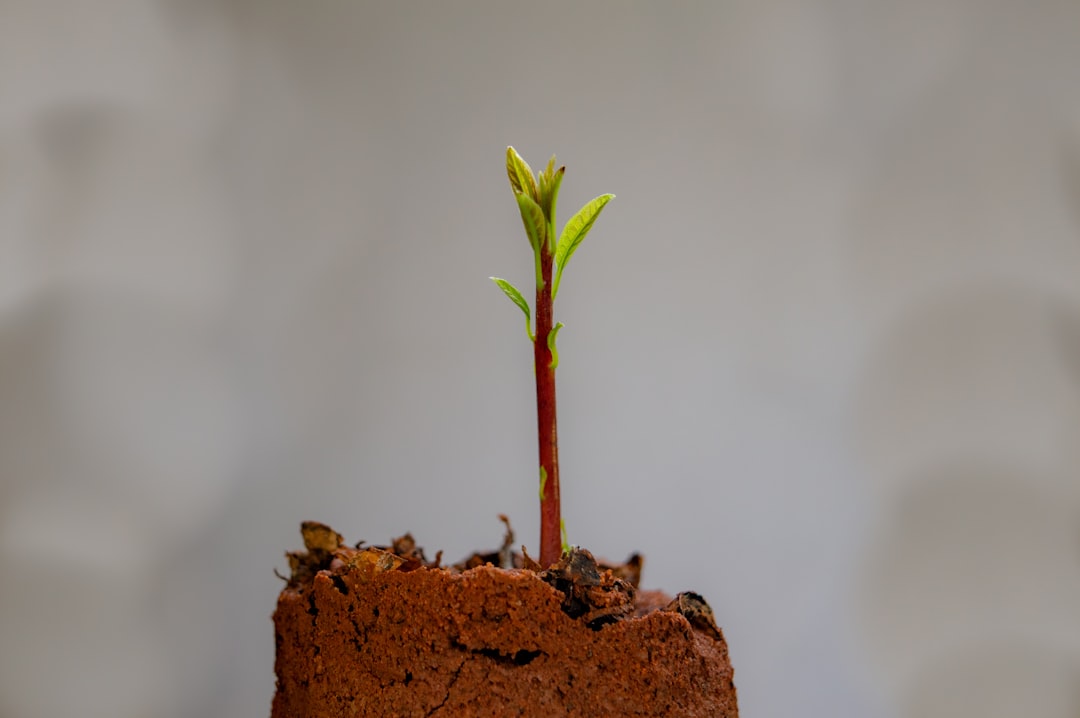
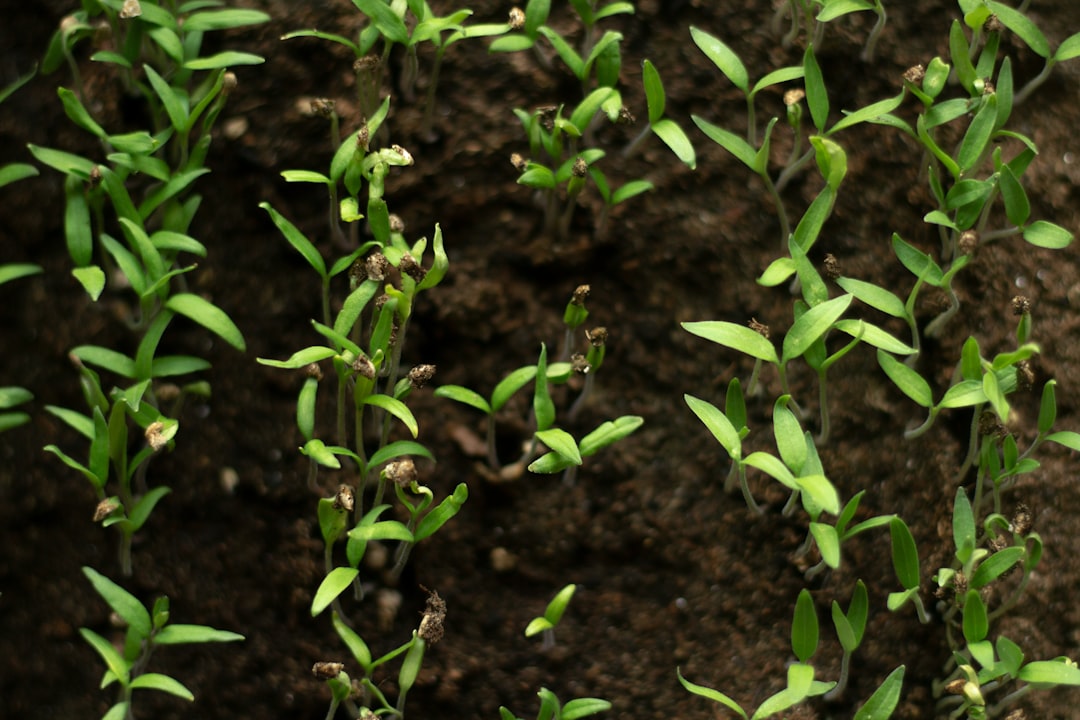
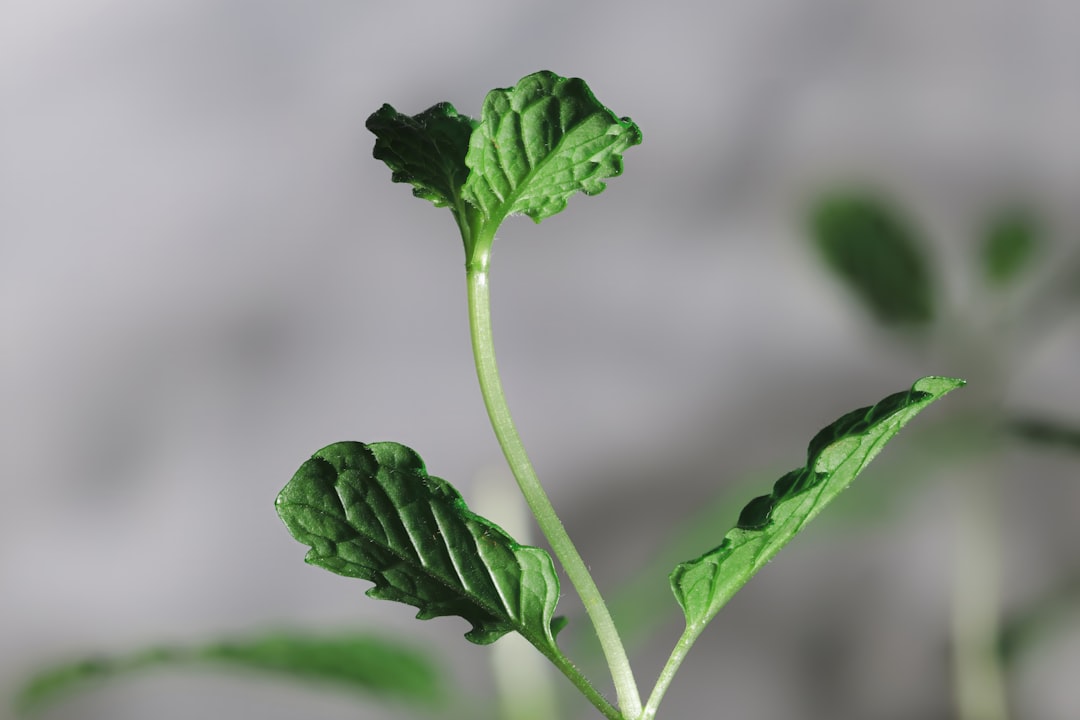
Chili pequin seeds can be a bit slow to germinate, so starting them indoors several weeks before the last expected frost date is highly recommended. To encourage quicker germination, some gardeners advocate for scarification, a process where the seed coat is slightly nicked, or soaking the seeds in warm water for 12-24 hours prior to planting. Plant seeds about 1/4 inch deep in sterile seed-starting mix, ensuring good moisture without waterlogging. The ideal temperature for germination is consistently warm, between 75-85°F (24-29°C), which can often be achieved using a heat mat. Once germinated, provide plenty of light to prevent seedlings from becoming leggy. A grow light positioned just a few inches above the plants for 14-16 hours a day is excellent. As seedlings develop their first true leaves, thin them to the strongest plant per cell or pot. Before transplanting outdoors, harden off your seedlings over 7-10 days, gradually exposing them to outdoor conditions to acclimate them to sun, wind, and fluctuating temperatures.
Transplanting, watering, and feeding for success
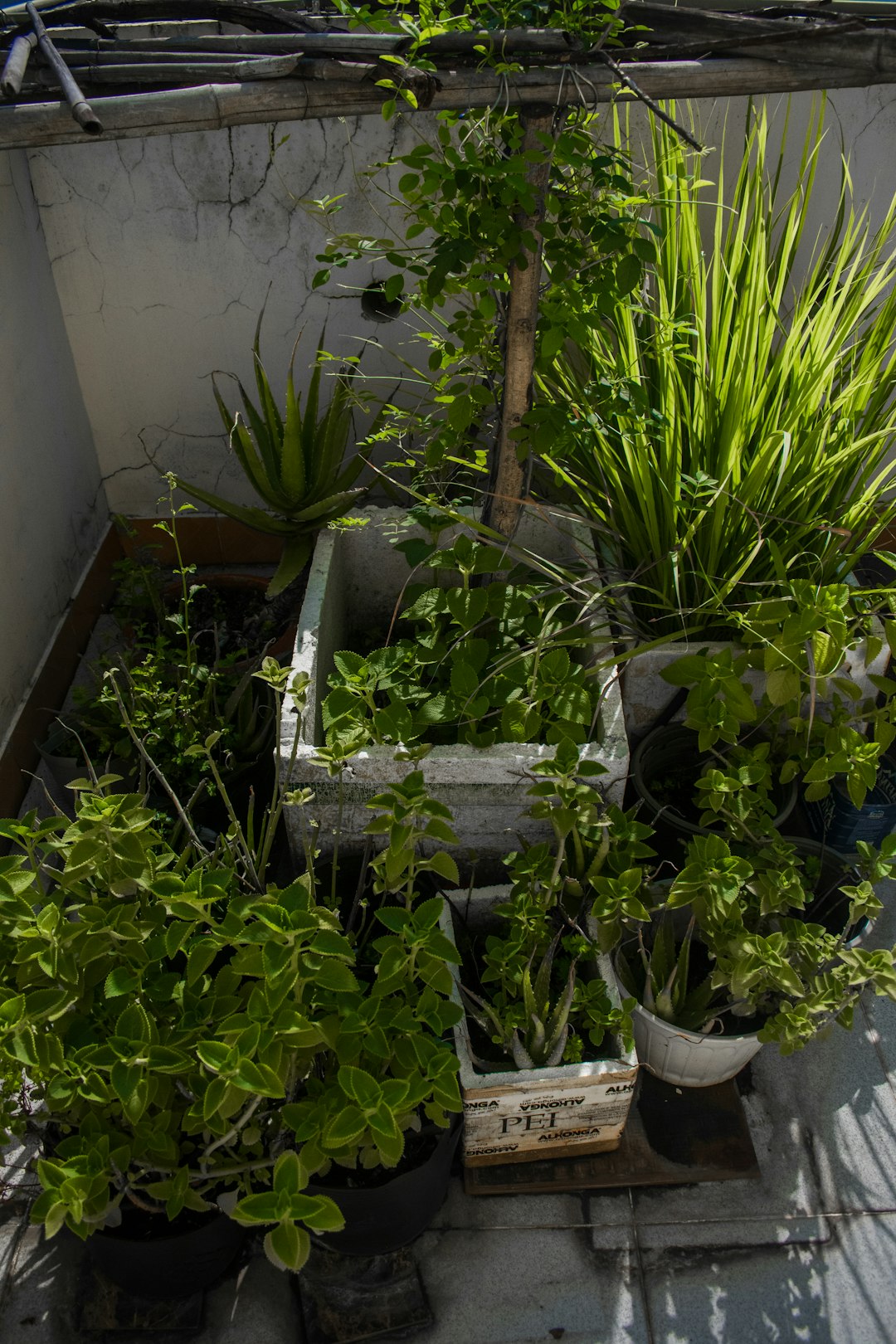
Once all danger of frost has passed and night temperatures consistently stay above 50°F (10°C), your pequin seedlings are ready for their permanent home. Space plants approximately 12-18 inches apart in the garden to allow for adequate air circulation and growth. If growing in containers, choose pots at least 1-gallon in size, though larger is always better for root development. Proper watering is crucial for pepper plants. Aim for consistent moisture, but avoid overwatering which can lead to root rot. Water deeply when the top inch of soil feels dry to the touch, and try to water at the base of the plant to keep foliage dry, reducing the risk of fungal diseases. As for feeding, chili pequin benefits from a balanced fertilizer initially, transitioning to one higher in phosphorus and potassium once flowering begins to encourage fruit production. Organic options like compost tea or a slow-release granular fertilizer formulated for fruiting vegetables work wonderfully. Monitor your plants for common pests like aphids or spider mites, addressing them promptly with insecticidal soap or neem oil.
Harvesting your bounty and ongoing care
Chili pequin peppers typically mature in about 75-90 days from transplanting. You’ll know they are ready for harvest when they turn a vibrant red and are firm to the touch. The small size makes them easy to pick; simply snip them from the plant with clean shears or gently pull them off. Regular harvesting encourages the plant to produce more peppers throughout the growing season. For ongoing care, light pruning can promote bushier growth and improve air circulation, especially if your plants become very dense. Remove any yellowing or diseased leaves promptly. In regions with mild winters, chili pequin plants can be perennial. If you wish to overwinter them, bring container-grown plants indoors before the first frost, reducing watering and light and possibly pruning them back significantly. This allows them to go dormant and rebound with vigor the following spring, providing you with a continuous supply of these spicy little treasures.
Cultivating chili pequin peppers is a rewarding endeavor that connects you directly with the vibrant flavors of the natural world. Throughout this guide, we’ve explored the foundational steps to ensure your success, from selecting the perfect sunny spot and preparing rich, well-draining soil to the delicate art of seed starting and the crucial phases of transplanting, watering, and feeding. Understanding the specific needs of these fiery plants, such as consistent warmth, ample sunlight, and thoughtful nutrition, is key to coaxing them into prolific producers. Finally, knowing when and how to harvest your peppers ensures you maximize your yield and enjoy their intense, distinctive heat. By following these detailed recommendations, even novice gardeners can anticipate a bountiful harvest, transforming their gardening efforts into a spicy, flavorful triumph that can be savored in countless culinary creations.