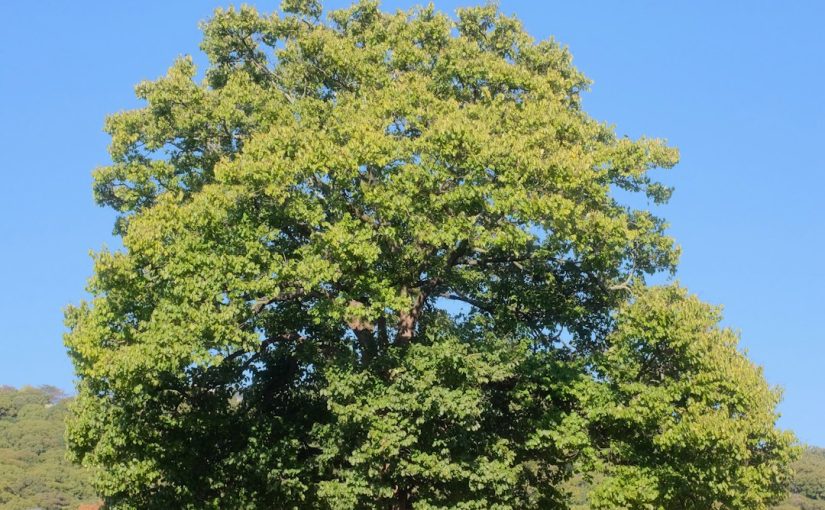
The majestic oak tree, a symbol of strength and longevity, is a cherished feature in many landscapes. However, for homeowners, the annual deluge of acorns can transform this admiration into a considerable nuisance. From slippery pathways and damaged lawns to clogged gutters and a magnet for wildlife, the challenges posed by prolific acorn production are well-known. If you’ve found yourself raking relentlessly or constantly sweeping up these woody nuts, you’re likely wondering if there’s a practical way to curb their prolific output. This article delves into the strategies, both direct and indirect, available to manage and potentially reduce acorn production on your oak trees, helping you restore peace and order to your outdoor space.
Understanding oak tree reproduction and acorn cycles
Before exploring methods to reduce acorn production, it’s crucial to understand the natural reproductive cycle of oak trees. Oak trees are monoecious, meaning they have both male (catkins) and female flowers on the same tree. Pollination typically occurs in spring, with acorns developing over one to two growing seasons, depending on the oak species (e.g., white oaks mature in one season, red oaks in two). The process culminates in the dropping of mature acorns in late summer or fall.
A phenomenon known as masting significantly influences acorn production. Masting refers to the synchronous production of a large number of acorns by a population of trees, often followed by years of low production. This irregular pattern is influenced by various environmental factors:
| Factor | Influence on acorn production |
|---|---|
| Tree age | Mature trees (generally 20+ years old) produce significantly more acorns than younger ones. |
| Weather patterns | Warm springs with adequate rainfall, absence of late frosts during flowering, and sufficient summer moisture often lead to heavier masting years. |
| Stress (mild to moderate) | Paradoxically, some forms of mild stress (e.g., drought, pest pressure) can trigger a “survival response” in oaks, leading to increased acorn production in subsequent years as the tree attempts to propagate. |
| Species | Acorn production cycles vary greatly between oak species. White oaks tend to have more frequent, though less massive, masting events compared to red oaks, which can have very heavy years followed by several light ones. |
Understanding these natural rhythms helps manage expectations. Completely stopping acorn production is challenging because it goes against the tree’s fundamental biological drive. The goal is typically reduction, not total elimination.
Hormonal treatments: A targeted approach
For those seeking the most direct method to reduce acorn production, the application of plant growth regulators (PGRs) is often considered. The most commonly used and effective PGR for this purpose is ethephon, often sold under brand names like Florel Fruit Eliminator. Ethephon works by releasing ethylene gas within the plant tissues, a natural plant hormone that plays a crucial role in fruit ripening and abscission (shedding).
When applied correctly, ethephon can induce the abortion of flowers or very young fruits, significantly reducing the number of developing acorns. However, successful application is highly dependent on precise timing and dosage:
- Timing is critical: Ethephon must be applied when the oak tree’s female flowers are present but before fertilization has occurred and fruit set is complete. This narrow window typically falls in the spring, often coinciding with the emergence of new leaves, but varies by species and local climate. Missing this window renders the treatment ineffective.
- Professional application: Due to the size of mature oak trees and the need for thorough, uniform coverage, professional arborists with specialized spray equipment are usually required. Incorrect application can lead to poor results, leaf burn, or even damage to the tree.
- Effectiveness: While ethephon can dramatically reduce acorn production, it rarely achieves 100% elimination. A reduction of 50-80% is often considered a successful outcome.
- Potential side effects: Over-application or application during unsuitable weather conditions can lead to temporary leaf yellowing, marginal leaf burn, or increased leaf drop. These effects are usually transient, but proper application is key to minimizing them.
Consulting with a certified arborist is essential before considering hormonal treatments. They can assess your tree’s health, identify the optimal application window for your specific oak species, and ensure safe and effective treatment.
Cultural practices and mitigation strategies
While hormonal treatments target the source, several cultural practices and landscape design strategies can help manage the impact of acorns, even if they don’t directly stop their production. These methods focus on reducing the nuisance rather than eliminating the acorns themselves.
- Regular cleanup: The most straightforward solution is consistent raking, sweeping, or using leaf blowers and vacuums to remove fallen acorns. This prevents slippery surfaces and keeps lawns tidy. Investing in a specialized nut gatherer can make this task significantly easier for large areas.
- Pruning: While not directly affecting acorn production, strategic pruning can improve overall tree health and structure. Removing dead or weak branches can indirectly contribute to a healthier tree, which might, in turn, have more predictable or manageable fruiting patterns. However, heavy pruning specifically to reduce acorn production is generally not recommended as it can stress the tree and potentially trigger a compensatory “survival response” in subsequent years, leading to more acorns.
- Landscape design: Consider planting dense ground covers, such as ivy or vinca, or installing mulch beds directly beneath the oak canopy. These can cushion the fall of acorns, making them less noticeable and easier to manage. Alternatively, placing permeable pavers or gravel can create a more manageable surface for clean-up.
- Water and nutrient management: Ensuring your oak tree receives adequate water and nutrients can promote overall health and vigor. While severe stress can sometimes trigger increased acorn production, an overly pampered tree might also divert more energy to reproduction. A balanced approach that avoids both severe drought stress and excessive fertilization is ideal for maintaining a healthy tree without inadvertently boosting acorn output.
These strategies, when combined, offer a comprehensive approach to living harmoniously with your oak tree, even during its masting years.
The long-term perspective: Tree health and alternative solutions
Ultimately, managing acorn production in oak trees requires a balanced perspective. A healthy oak tree is a valuable asset to your property and the local ecosystem. Aggressive attempts to completely halt acorn production can sometimes be detrimental to the tree’s long-term health or simply prove ineffective given the tree’s strong biological imperative to reproduce.
For existing mature oaks, the most practical approach often involves a combination of targeted hormonal treatments (if desired and professionally applied) and consistent cultural practices for mitigation. It is important to understand that oak trees, like many other fruiting trees, will always be subject to natural masting cycles, and some level of acorn production is inevitable.
When considering new plantings, if acorn nuisance is a significant concern, exploring alternative tree species that offer similar aesthetic and ecological benefits without the heavy fruit production might be a wiser choice. Many beautiful native trees provide shade, habitat, and fall color without producing large, hard nuts that require constant cleanup. Examples include certain maple varieties, non-fruiting ash trees (where emerald ash borer is not an issue), or even specific sterile or male cultivars of various tree species. Prioritizing tree health and selecting the right tree for the right place will ensure enjoyment for years to come.
Managing acorn production on oak trees is a common challenge for homeowners, but it’s one that can be addressed with a strategic approach. We’ve explored the fascinating natural cycles that govern acorn production, highlighting the influence of age, weather, and tree health on masting events. Understanding these inherent rhythms sets realistic expectations for any intervention. The most direct method, hormonal treatment using ethephon, offers significant reduction but requires precise professional application and timing. Complementing this, cultural practices like regular cleanup, strategic landscape design, and proper tree care can greatly mitigate the nuisance caused by fallen acorns. Ultimately, while completely stopping acorn production may be an unrealistic goal, a combination of targeted treatments and practical management strategies can help you maintain a beautiful and more manageable landscape. Embracing the natural beauty and ecological value of your oak, while employing smart management, allows you to enjoy its many benefits without being overwhelmed by its abundant bounty.
Image by: MAK