Discovering your yard might be home to Giardia is a concerning prospect for any pet owner or homeowner. This microscopic parasite, known for causing gastrointestinal distress in animals and humans, can unfortunately persist in the environment, particularly in moist soil and grass. Its presence means a continuous risk of reinfection for your pets and potential transmission to family members. Addressing Giardia in your grass isn’t just about immediate cleanup; it requires a strategic, multi-faceted approach to truly eradicate the threat from your outdoor spaces. This article will guide you through understanding Giardia’s resilience, practical steps for immediate containment, effective environmental treatments for your lawn, and crucial long-term prevention strategies to ensure your yard remains a safe and healthy haven.
Understanding giardia in your yard
Giardia duodenalis, often simply referred to as Giardia, is an intestinal parasite that infects a wide range of mammals, including dogs, cats, and humans. It exists in two forms: the trophozoite, which lives in the intestine, and the cyst, which is shed in feces. It’s these hardy cysts that pose the primary threat in the outdoor environment. Giardia cysts are incredibly resilient; they can survive for weeks to months in cool, moist conditions, making your grass and soil an ideal breeding ground if contaminated. When an infected animal defecates, millions of these cysts are released into the environment. Another animal or human can become infected by ingesting even a small number of these cysts, often through contaminated water, food, or by touching contaminated surfaces and then putting their hands in their mouth.
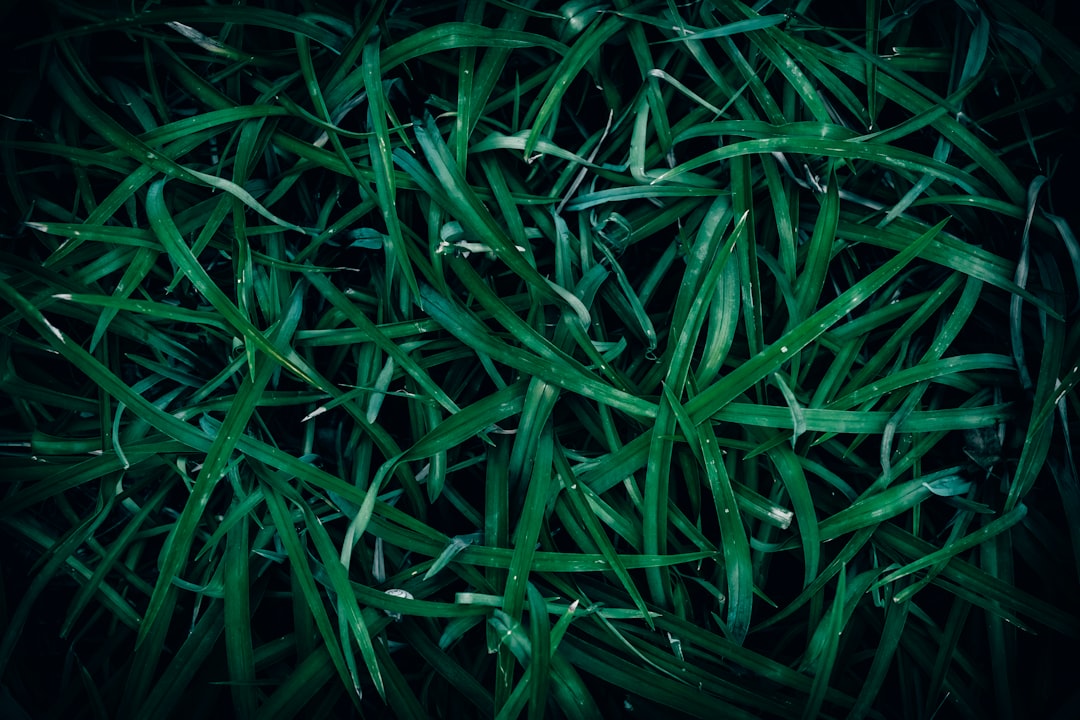
The particular danger in your yard lies in the fact that grass provides shelter and moisture, protecting the cysts from desiccation and UV radiation, which are two of their main weaknesses. Areas of your lawn that are perpetually damp, shaded, or have poor drainage are especially problematic. Furthermore, if your yard is frequented by wildlife such as deer, squirrels, or even stray cats, these animals can also carry and shed Giardia, contributing to the environmental load. Understanding this lifecycle and the parasite’s environmental tenacity is the critical first step in formulating an effective strategy to eliminate it, transforming your yard from a potential hazard into a safe space for your family and pets.
Immediate steps for containment and removal
Once you suspect or confirm Giardia contamination in your yard, immediate and thorough action is paramount to prevent further spread and reinfection. The cornerstone of containment is meticulous fecal management. All pet waste must be picked up immediately, ideally within minutes of defecation. Giardia cysts become infective very quickly, so prompt removal minimizes the time they have to contaminate the grass. Use gloves or poop bags, and dispose of the waste in a sealed container, away from accessible areas and water sources. Simply scooping isn’t enough; try to remove some of the contaminated grass or soil directly beneath the feces if possible, especially in areas where pets frequently relieve themselves. For heavily used areas, consider dedicated “bathroom” zones that are easier to clean and manage.
Beyond fecal removal, strict personal and pet hygiene is crucial. Any pets diagnosed with Giardia should be bathed regularly, especially around the hindquarters, to remove any cysts clinging to their fur, which can lead to self-reinfection or spread within the household. Wash their bedding, toys, and food/water bowls frequently with hot water and soap. For humans, always wash hands thoroughly with soap and water after handling pet waste or working in the yard. Implement a “no shoes in the house” policy to avoid tracking contaminated soil indoors. While these steps don’t directly “get rid of” Giardia in the grass, they are essential for preventing the introduction of new cysts and breaking the cycle of infection, making subsequent environmental treatments more effective.
Environmental treatments and sanitization strategies
Directly eliminating Giardia cysts from your grass and soil can be challenging due to their resilience and the practicalities of treating a large outdoor area without harming plants or pets. However, several environmental strategies can significantly reduce the parasite load. The most effective natural disinfectant is sunlight and desiccation. Giardia cysts are highly susceptible to drying out and UV radiation. Promote good drainage in your yard to prevent standing water and persistently damp spots. Trim overgrown vegetation to allow more sunlight to reach the soil surface. If possible, temporarily fence off affected areas and allow them to dry out completely for several days or weeks, especially during warm, sunny weather.
Chemical disinfectants often used indoors, such as bleach or quaternary ammonium compounds, generally have limited efficacy on Giardia cysts in an outdoor grass environment. They can be diluted by rain, bound by organic matter in the soil, and potentially harmful to your lawn, other plants, or beneficial soil organisms. Their use is typically reserved for hard, non-porous surfaces like concrete patios or kennels. For grass, a more practical approach involves creating an environment hostile to the cysts. Consider amending your soil with organic matter to improve drainage and aeration, which helps dry out the topsoil. Repeated mowing can also expose more of the soil to sunlight. The table below summarizes common methods and their applicability:
| Method | Effectiveness on Giardia Cysts | Considerations for Grass | Potential Drawbacks |
|---|---|---|---|
| Sunlight & Drying | High | Requires consistent dry weather; promote drainage & aeration. | Time-consuming; not effective in shaded/wet areas. |
| Prompt Fecal Removal | Very High (prevents new contamination) | Crucial first step for all methods. | Requires diligence; doesn’t remove existing cysts. |
| Chemical Disinfectants (e.g., bleach) | High (on hard surfaces) | Limited penetration into grass/soil; quickly diluted. | Harmful to plants, soil microbes, and pets; not practical for large lawns. |
| Temporary Fencing/Restricted Access | High (prevents re-exposure) | Allows other treatments (drying) to work undisturbed. | Limits pet access to parts of the yard. |
| Improving Drainage/Aeration | Moderate (indirect) | Reduces moisture, making environment less hospitable. | Long-term effort; doesn’t kill cysts directly. |
Long-term prevention and maintenance
Successfully ridding your yard of Giardia is not a one-time event; it requires a sustained commitment to prevention and ongoing maintenance. The first and most critical long-term strategy is maintaining stringent fecal hygiene. Make it a routine to pick up all pet waste immediately, every time, without exception. This prevents new cysts from being introduced into your yard. Consider regular soil testing to ensure good drainage and overall soil health, as healthy soil can naturally deter parasite survival. Educate all family members about the importance of consistent handwashing after outdoor activities, especially those involving contact with soil or pets.
Another key aspect is discouraging wildlife that may carry Giardia. Secure trash cans, remove bird feeders that attract other animals, and fence off any vegetable gardens or compost piles that might draw in wildlife. If you have areas of standing water, such as bird baths or leaky outdoor faucets, address them promptly, as standing water is a prime transmission route. Regularly clean and disinfect your pet’s outdoor kennels, water bowls, and toys that are kept outside. Finally, if you have multiple pets, ensure they are all regularly checked by a veterinarian and treated if necessary, to prevent a cycle of reinfection among them. By integrating these preventative measures into your routine, you can significantly reduce the risk of Giardia returning and maintain a healthier, safer outdoor environment for everyone.
Navigating the challenge of Giardia in your yard can feel daunting, but a systematic approach offers the best chance for success. We’ve explored the resilience of Giardia cysts in grass, emphasizing the need for understanding their lifecycle to combat them effectively. Immediate actions, such as meticulous fecal removal and rigorous pet and personal hygiene, form the crucial first line of defense, preventing the continuous shedding and spread of new cysts. Furthermore, we delved into environmental treatments, highlighting the power of natural elements like sunlight and desiccation, alongside practical strategies like improving drainage, to create an inhospitable environment for the parasite. While chemical solutions have limited utility in grass, a combination of these methods proves most effective.
Ultimately, eliminating Giardia from your yard is less about a magic bullet and more about a sustained commitment to preventative practices. Long-term strategies, including consistent waste management, wildlife control, maintaining a dry and well-drained environment, and routine veterinary care for your pets, are indispensable for preventing recurrence. By implementing these comprehensive steps, you can transform your yard from a potential source of infection into a safe, enjoyable space for your pets and family, providing peace of mind and promoting a healthier outdoor living environment.