Welcome to the fascinating world of plant growth, where the seemingly simple act of planting a seed holds layers of scientific intrigue. A common question that often sparks curiosity, especially among budding gardeners and educators, is whether seeds fare better in the dark or under direct light. This query isn’t just a trivial one; it delves into the fundamental biological processes that dictate life itself for plants. Understanding the specific conditions that optimize seed germination versus the subsequent growth of a seedling is paramount for successful cultivation, whether in a small backyard plot or a large agricultural field. This article aims to demystify these stages, exploring the distinct roles that light and darkness play in a seed’s journey from dormancy to a vibrant young plant.
The germination paradox: Darkness, moisture, and temperature
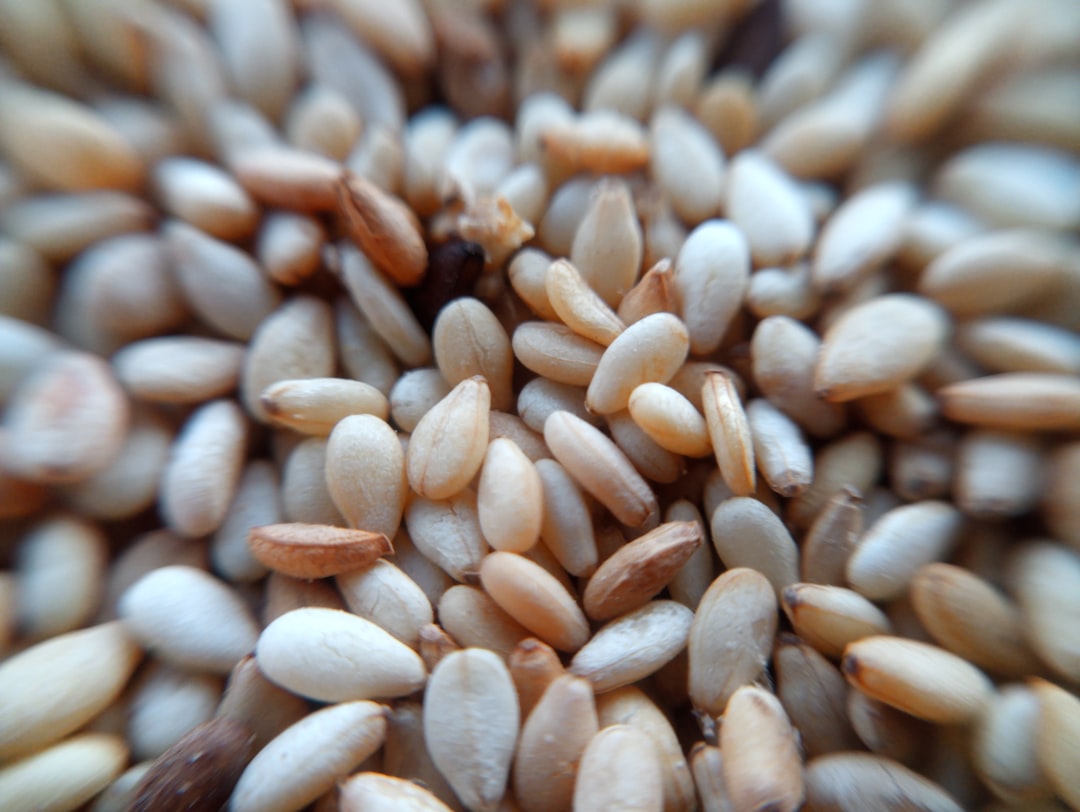
The initial phase of a plant’s life, known as germination, is a critical period where a dormant seed springs into action. During this stage, the primary requirements are not light, but rather a precise combination of moisture, oxygen, and an appropriate temperature. Many seeds, particularly those found in temperate climates, actually prefer or even require darkness to initiate germination. This preference is a clever evolutionary adaptation, signaling to the seed that it has been buried in the soil, providing a protective environment away from harsh sunlight and potential predators. Direct sunlight during germination can sometimes be detrimental, potentially causing the tiny embryo to dry out before it has a chance to establish roots.
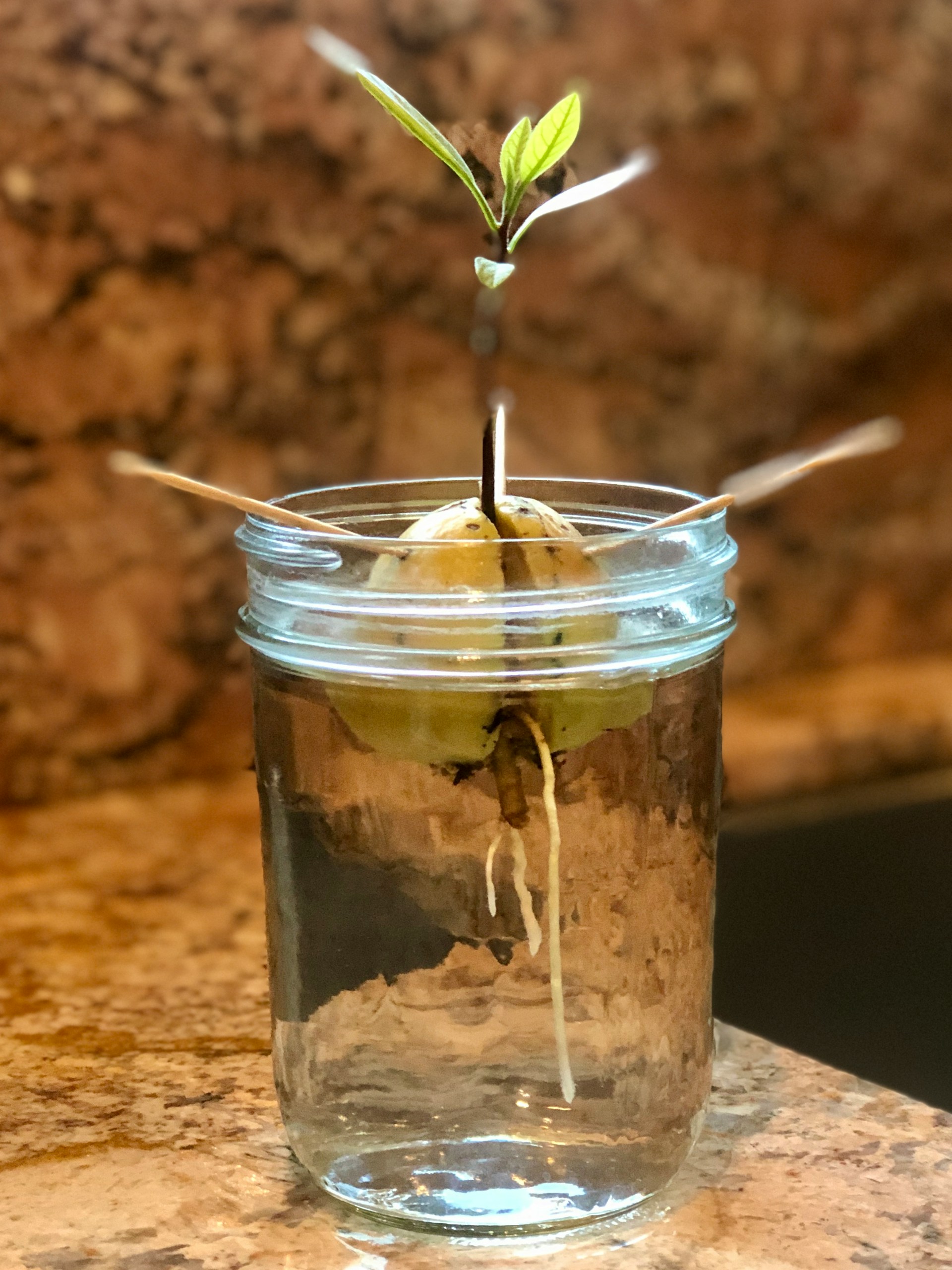
When a seed absorbs water, it swells, activating enzymes that break down stored food reserves within the cotyledons or endosperm. This energy fuels the growth of the radicle (embryonic root) which emerges first, anchoring the plant and beginning water absorption, followed by the plumule (embryonic shoot). For many species, the absence of light during this initial phase is a natural trigger, ensuring the seed doesn’t waste energy trying to grow in an exposed, potentially unfavorable location. It’s a period focused on awakening and establishing basic support structures, not yet on photosynthesis.
The critical role of light for seedling development
While darkness can be advantageous for the initial germination process, the story changes dramatically once the seed has successfully germinated and emerged as a young seedling. At this point, light becomes not just beneficial, but absolutely essential for healthy growth and survival. The shift marks the transition from relying on stored energy reserves to generating energy through photosynthesis. Photosynthesis is the process by which plants convert light energy into chemical energy, using carbon dioxide and water to produce sugars and oxygen. Without adequate light, a seedling cannot produce chlorophyll, the green pigment necessary for photosynthesis, and will struggle to develop properly.
A seedling deprived of light will typically exhibit a phenomenon called etiolation. Instead of developing strong, green leaves and a sturdy stem, it will become pale, elongated, and spindly, reaching desperately for an elusive light source. The stem will grow unusually long, often with small, underdeveloped leaves, and a weak, fragile structure. This growth pattern is a survival mechanism, a last-ditch effort to find light before its stored energy runs out. However, prolonged etiolation inevitably leads to a weak, unhealthy plant unable to thrive or produce effectively.
Understanding etiolation and photomorphogenesis
Etiolation is a fascinating physiological response that highlights the plant’s incredible adaptability and its reliance on environmental cues. When a seedling germinates in complete darkness or under extremely low light conditions, its growth hormones trigger a specific developmental pathway. The plant prioritizes stem elongation (hypocotyl or epicotyl growth) over leaf expansion and chlorophyll production. This results in the characteristic pale yellow or white appearance due to the absence of chlorophyll, and the rapid, often flimsy, stretching of the stem. The plant is essentially “blindly” searching for light, investing all its energy into growing upwards.
Conversely, the development influenced by light is called photomorphogenesis. Light signals, particularly blue and red wavelengths, are perceived by specialized photoreceptors within the plant, such as phytochromes and cryptochromes. These photoreceptors act as switches, turning on or off genes that control various aspects of growth and development. When a seedling receives sufficient light, these light signals trigger chlorophyll synthesis, inhibit stem elongation, promote leaf expansion, and encourage the strengthening of the stem. This ensures the seedling develops into a compact, sturdy, and photosynthetically active plant, ready to convert sunlight into the energy it needs to grow and flourish.
Practical implications for growers: Striking the right balance
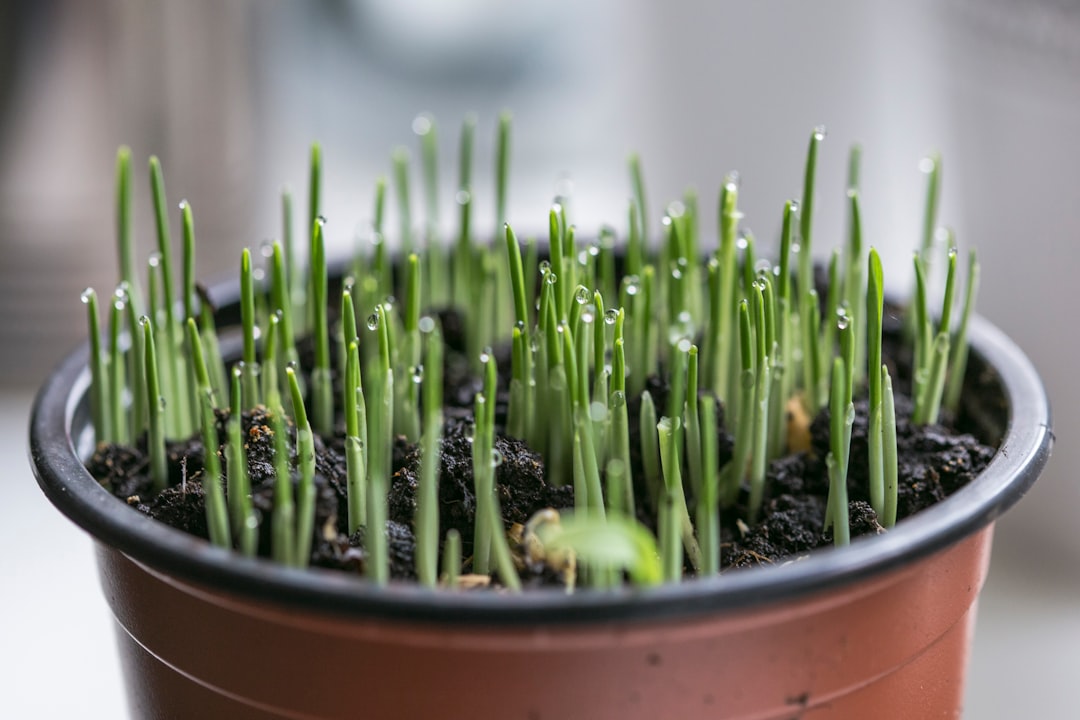
For gardeners and agriculturalists, understanding the distinct requirements for germination versus seedling growth is key to successful cultivation. The ideal strategy involves providing the appropriate conditions for each stage. For many common vegetable and flower seeds, starting them indoors in a warm, moist, and often dark environment is beneficial for initial germination. Once the first signs of germination appear—often a tiny root emerging or the seed coat splitting—it’s crucial to immediately transition the nascent seedlings to a well-lit environment. This prevents etiolation and ensures they develop into strong, healthy plants.
Optimal light conditions for seedlings usually involve bright, indirect light or specialized grow lights for 12-16 hours a day. The intensity and duration of light are vital to promote photosynthesis, strong stem development, and robust leaf growth. Providing consistent light from directly above helps prevent stretching and encourages compact growth. Striking this balance—allowing darkness for the initial awakening and then abundant light for vigorous development—is the secret to nurturing resilient and productive plants from seed.
To illustrate the difference in conditions and outcomes, consider the following table:
| Growth Stage | Light Requirement | Primary Goal | Typical Outcome (Optimal Conditions) | Outcome (Suboptimal Light) |
|---|---|---|---|---|
| Germination | Often darkness or minimal light | Seed awakening, root emergence | Rapid, successful sprouting | Desiccation, delayed/failed germination |
| Early Seedling | Abundant, direct light | Photosynthesis, shoot development | Strong, green, compact plant | Etiolation (pale, leggy, weak) |
In conclusion, the question of whether seeds grow faster in the dark or light presents a nuanced answer, dependent entirely on the specific stage of the plant’s life cycle. For the initial act of germination, many seeds actually prefer or require darkness, along with adequate moisture and warmth, to signal that they are safely buried in soil and ready to begin their journey. This darkness helps trigger the emergence of the root and shoot, utilizing the seed’s stored energy reserves. However, once germination has occurred and the seedling emerges, light becomes absolutely critical. It is the vital energy source for photosynthesis, enabling the plant to produce its own food, develop chlorophyll, and grow into a strong, healthy specimen with robust leaves and a sturdy stem. Prolonged darkness after germination leads to etiolation, resulting in weak, pale, and ultimately unsustainable growth. Therefore, successful cultivation hinges on understanding this critical distinction: darkness for a proper start, and abundant light for a healthy continuation.
Image by: Angela Orenda