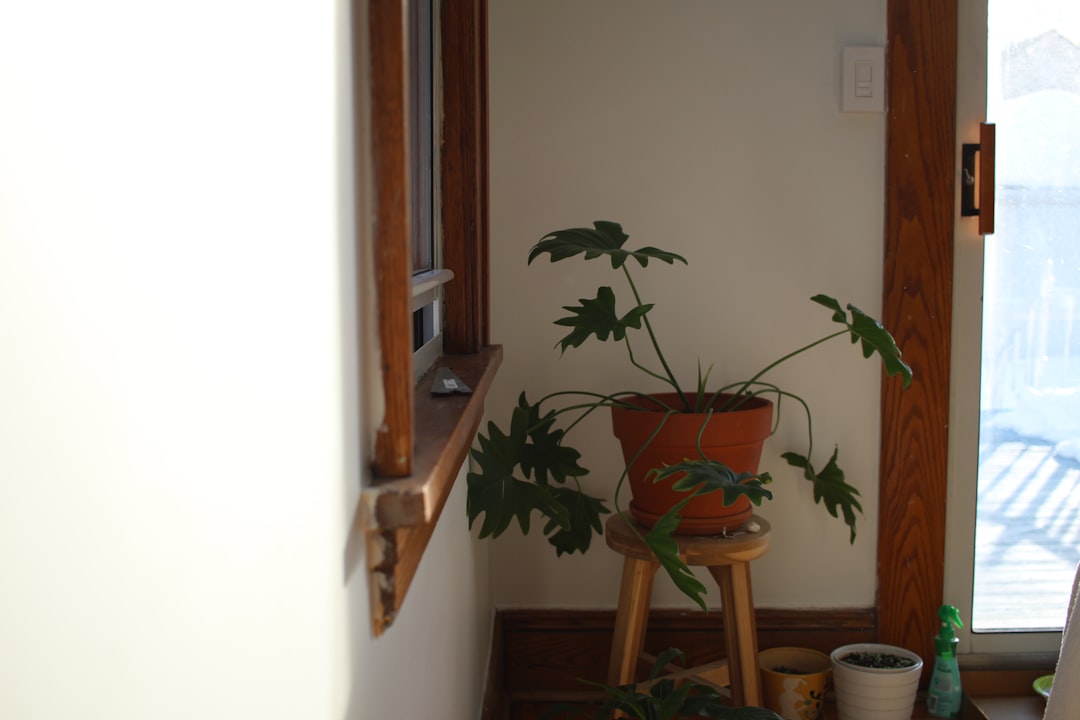
The presence of tiny, fluttering gnats around our indoor plants or fruit bowls can quickly turn a peaceful home into a frustrating battleground. Particularly, fungus gnats are a common nuisance, thriving in moist soil and decaying organic matter. While numerous commercial solutions exist, many homeowners are increasingly seeking non-toxic, readily available alternatives to combat these pests. Surprisingly, one such unconventional remedy gaining traction is the humble Bounce dryer sheet. This article will delve into the intriguing potential of using these aromatic laundry staples not just for fresh linens, but as a clever tactic to deter those unwelcome winged invaders. We’ll explore the science behind their supposed efficacy, practical application methods, and what to realistically expect when deploying them in your home.
The pesky problem of gnats and the unexpected solution
Gnats, particularly fungus gnats (Sciaridae), are a common household pest that can quickly become a significant annoyance. These small, dark-bodied flies are often mistaken for fruit flies, but their preference lies primarily with damp soil and decaying plant material, making potted plants their ideal breeding ground. The adult gnats themselves are harmless, but their larvae feed on plant roots, potentially stunting growth and even killing young seedlings if an infestation is severe. Homeowners are constantly searching for effective yet safe methods to manage these pests, often shying away from harsh chemical insecticides, especially in living spaces. This quest for a benign solution has led many to experiment with everyday household items, and surprisingly, Bounce dryer sheets have emerged as a popular, if unconventional, contender. The initial thought might seem peculiar – what does laundry care have to do with pest control? The answer lies in the specific aromatic compounds embedded within these sheets, which are designed to impart fragrance but also possess insect-repelling qualities.
Unpacking the repellent power: What’s in a Bounce sheet?
The secret to Bounce dryer sheets’ potential effectiveness against gnats isn’t magic, but rather simple chemistry. Many commercial dryer sheets, including Bounce, contain a blend of synthetic and naturally derived fragrances. Key among these are compounds like linalool and beta-citronellol. Linalool is a naturally occurring terpene alcohol found in many flowers and spice plants, such as lavender, mint, and basil, and is well-documented for its insecticidal and repellent properties against various pests, including mosquitoes and flies. Similarly, beta-citronellol, also found in plants like citronella and and geraniums, is another well-known insect deterrent. While these compounds are present in dryer sheets primarily for their pleasant scent, their innate repellent characteristics become the basis for their use in gnat control. Gnats, much like other insects, navigate and detect threats primarily through their sense of smell. The strong, unfamiliar, and perhaps irritating scent profile emitted by a dryer sheet acts as a deterrent, disrupting their ability to locate desirable breeding grounds or food sources, thereby encouraging them to seek a more hospitable environment elsewhere. It’s crucial to understand that Bounce sheets are not designed to kill gnats, but rather to repel them.
Practical application: How to deploy dryer sheets for gnat deterrence
Implementing Bounce dryer sheets as part of your gnat control strategy is straightforward, but placement and consistency are key. The goal is to create an olfactory barrier that discourages gnats from settling in or near your plants.
- Direct soil placement: For potted plants, tear a Bounce dryer sheet into smaller strips or squares and gently tuck them just below the soil surface, ensuring some parts are exposed. Alternatively, you can lay a whole sheet directly on top of the soil. This method targets gnats looking to lay eggs in the soil.
- Near plant placement: If you prefer not to place them directly in the soil, simply place whole sheets on windowsills near plants, on shelves adjacent to your indoor garden, or even near fruit bowls where gnats might congregate.
- Hanging deterrents: For areas with more open air circulation, consider hanging small pieces of dryer sheets near the affected areas. While less direct for soil-based gnats, this can contribute to an overall repellent atmosphere.
For optimal results, it’s advisable to replace the dryer sheets every few days to a week. The active repellent compounds will gradually dissipate over time, reducing their efficacy. Remember, the stronger the scent, the more effective the deterrence. Consistency in application, combined with other gnat management practices, will yield the best outcomes.
Realistic expectations and comprehensive gnat management
While Bounce dryer sheets offer a convenient, non-toxic option for gnat deterrence, it is vital to approach their use with realistic expectations. They are primarily a repellent and are most effective as a preventative measure or for managing minor gnat nuisances. They will not eradicate an existing, heavy infestation, as they do not kill gnat larvae or eggs already present in the soil. For more severe gnat problems, an integrated pest management (IPM) approach is always recommended, combining several strategies for maximum impact.
Consider the following comparison of common gnat control methods:
| Method | Primary Action | Effectiveness (Mild/Severe) | Pros | Cons |
|---|---|---|---|---|
| Bounce Dryer Sheets | Repellent (adult gnats) | Mild | Non-toxic, inexpensive, easy to use | Doesn’t kill larvae/eggs, short-lived scent |
| Sticky Traps | Traps (adult gnats) | Mild/Moderate | Visible results, non-toxic | Unsightly, only catches adults, doesn’t address larvae |
| Apple Cider Vinegar Traps | Attracts & drowns (adult gnats) | Mild/Moderate | Inexpensive, food-safe ingredients | Can be messy, attracts only certain gnat types |
| Bottom Watering Plants | Prevents breeding (larvae) | Moderate/Severe | Addresses root cause, good for plant health | Requires careful watering habits |
| Mosquito Dunks (BTI) | Larvicide (larvae) | Severe | Targets larvae directly, safe for plants/pets | Takes time to work, specific product purchase needed |
For long-term gnat control, focusing on the source is paramount. This includes allowing the top inch or two of plant soil to dry out between waterings, avoiding overwatering, and removing any decaying plant matter from pots. Repotting plants with fresh, sterile potting mix can also significantly reduce populations. While Bounce dryer sheets can certainly play a supportive role in making your environment less appealing to gnats, they are best utilized as one tool among many in a comprehensive strategy.
In conclusion, the humble Bounce dryer sheet offers a surprisingly viable, non-toxic method for deterring gnats, particularly the common fungus gnat. Its efficacy stems from specific aromatic compounds like linalool and beta-citronellol, acting as natural insect repellents by creating an unpleasant olfactory environment. By strategically placing pieces of dryer sheets near potted plants or other gnat-prone areas, homeowners can effectively make their spaces less inviting for adult gnats seeking to lay eggs. However, it’s crucial to remember these sheets serve primarily as a deterrent, not a killer, and won’t resolve a deeply entrenched infestation. For lasting relief, Bounce dryer sheets should be integrated into a broader pest management strategy that includes proper watering, sticky traps, and addressing gnat proliferation’s root causes. Used consistently alongside other methods, they can be a helpful and fragrant ally in maintaining a gnat-free home.