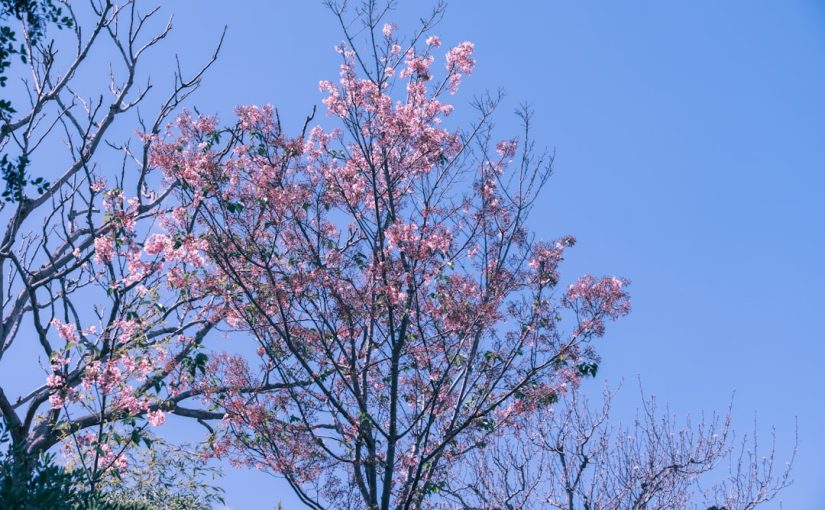
The flowering pear tree (often Pyrus calleryana varieties) is a popular choice for urban landscapes and residential gardens across many regions. Renowned for its stunning white blossoms in early spring and vibrant fall foliage, it offers significant aesthetic appeal. However, unlike some of its more resilient arboreal counterparts, the flowering pear is not typically known for its exceptional longevity. Understanding the average lifespan of this ornamental tree is crucial for anyone considering planting one, or for those seeking to maximize the health and duration of an existing specimen. This article will delve into what homeowners can expect regarding the lifespan of a flowering pear, exploring the various factors that influence its tenure in your landscape, from genetics to environmental conditions and proper care.
Understanding the typical lifespan
While specific numbers can vary based on cultivar and growing conditions, the average lifespan of a flowering pear tree generally falls between 15 to 25 years. This places it in the category of relatively short-lived ornamental trees compared to long-lived species like oaks (which can live for centuries) or maples (50-100+ years). Even other common garden trees, such as many fruit-bearing apples or cherries, often boast a longer lifespan. The ‘Bradford’ pear, perhaps the most infamous variety, is particularly known for its shorter end of this spectrum, often succumbing to structural issues well before its twentieth year. Newer cultivars have been bred with improved structure and disease resistance, potentially extending their healthy life, but still generally within this two-decade window.
Key factors influencing longevity
Several critical elements play a role in determining how long a flowering pear tree will thrive in a given location. One significant factor is the variety selection. While all flowering pears are cultivars of Pyrus calleryana, some, like the Bradford, are notorious for developing weak branch angles that make them susceptible to splitting in storms. Newer cultivars such as ‘Cleveland Select’ (Chanticleer) or ‘Aristocrat’ have been developed to possess a stronger central leader and more acute branch angles, reducing the likelihood of early structural failure. Beyond genetics, planting conditions are paramount. Well-drained soil, adequate sunlight (full sun preferred), and proper planting depth are foundational. Trees planted in compacted soil, waterlogged areas, or with girdling roots are predisposed to stress and a shortened life. Finally, the local climate and environment significantly impact a tree’s health. While generally hardy (USDA Zones 5-9), extreme weather, urban heat island effects, and exposure to pollutants can stress trees and reduce their resilience to pests and diseases.
Common threats and diseases
Flowering pear trees, despite their initial hardiness, are susceptible to several issues that can shorten their lives. Perhaps the most significant threat is fire blight, a bacterial disease that causes branches, leaves, and flowers to blacken as if scorched by fire. This highly contagious disease can rapidly spread and kill entire limbs or even the whole tree, especially in warm, wet conditions. Another major contributor to their demise, particularly with the Bradford pear, is their inherent structural weakness. The narrow, acute branch crotches common in older varieties create weak points that are prone to splitting under the weight of snow, ice, or strong winds. Pests like aphids and mites can occasionally be an issue, but usually only weaken an already stressed tree. Other diseases, such as leaf spot or powdery mildew, are generally cosmetic but can indicate underlying stress. Improper pruning, such as heading cuts that encourage dense, weak growth, can also exacerbate structural problems and invite disease.
Promoting a longer life for your flowering pear
While the flowering pear has a predetermined lifespan, homeowners can significantly influence how long their tree remains healthy and attractive. The journey to longevity begins with proper site selection. Choose a location with well-drained soil and full sun exposure, avoiding areas prone to waterlogging or compaction. During initial planting care, ensure the tree is planted at the correct depth, watered regularly to establish its root system, and mulched to retain moisture and regulate soil temperature. Ongoing maintenance is crucial. Pruning is vital, especially in the tree’s early years, to establish a strong central leader and wide branch angles, preventing the structural issues common in mature trees. Regular monitoring for signs of fire blight or pest infestations allows for early intervention. Adequate watering during dry spells is also important, as is avoiding over-fertilization, which can lead to excessive, weak growth. By focusing on preventative care and attentive maintenance, you can help your flowering pear tree reach the upper end of its natural lifespan.
Here’s a comparison of typical lifespans for some common ornamental trees:
| Tree Type | Typical Lifespan (Years) | Common Issues Affecting Longevity |
|---|---|---|
| Flowering Pear (Pyrus calleryana) | 15-25 | Fire blight, structural weakness, storm damage |
| Dogwood (Cornus florida) | 30-80 | Anthracnose, powdery mildew, borers |
| Maple (Acer species, ornamental) | 50-100+ | Verticillium wilt, root girdling, pests |
Conclusion
In summary, the average lifespan of a flowering pear tree generally ranges from 15 to 25 years, a relatively short duration compared to many other long-lived shade trees. This tenure is significantly influenced by a confluence of factors, including the specific cultivar planted, the suitability of the planting site, and ongoing care practices. While issues like the notorious structural weakness of older varieties such as the Bradford pear and susceptibility to fire blight can prematurely end a tree’s life, proactive management can make a substantial difference. By selecting improved cultivars, ensuring proper planting conditions, and committing to diligent maintenance—including structural pruning, disease monitoring, and appropriate watering—homeowners can help their flowering pear trees thrive for as long as possible. Ultimately, while it may not be a multi-generational tree, with the right attention, a flowering pear can still provide two decades of beautiful blossoms and fall color, offering a worthwhile, albeit temporary, contribution to your landscape’s aesthetic appeal.
Image by: April Vasquez