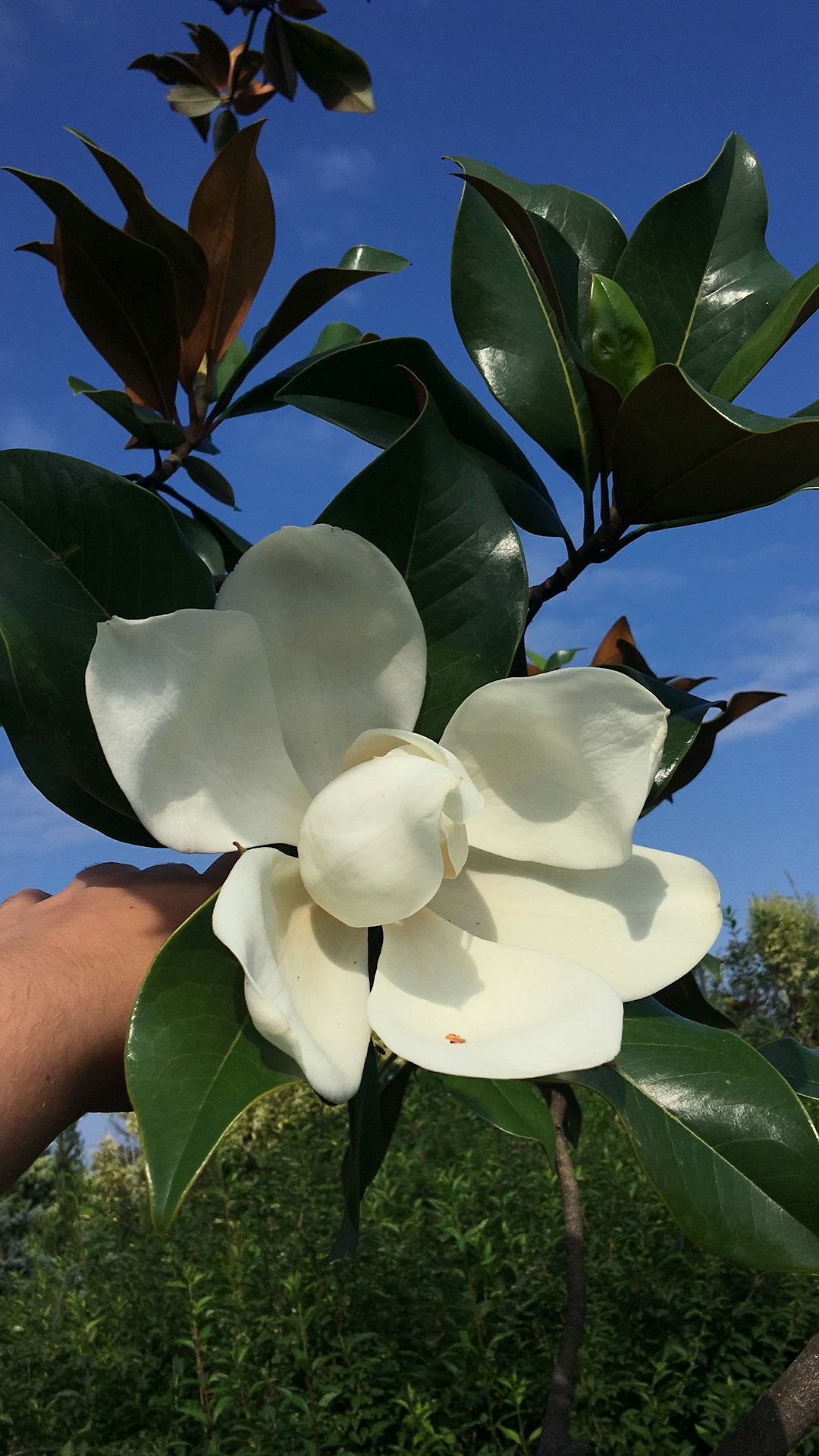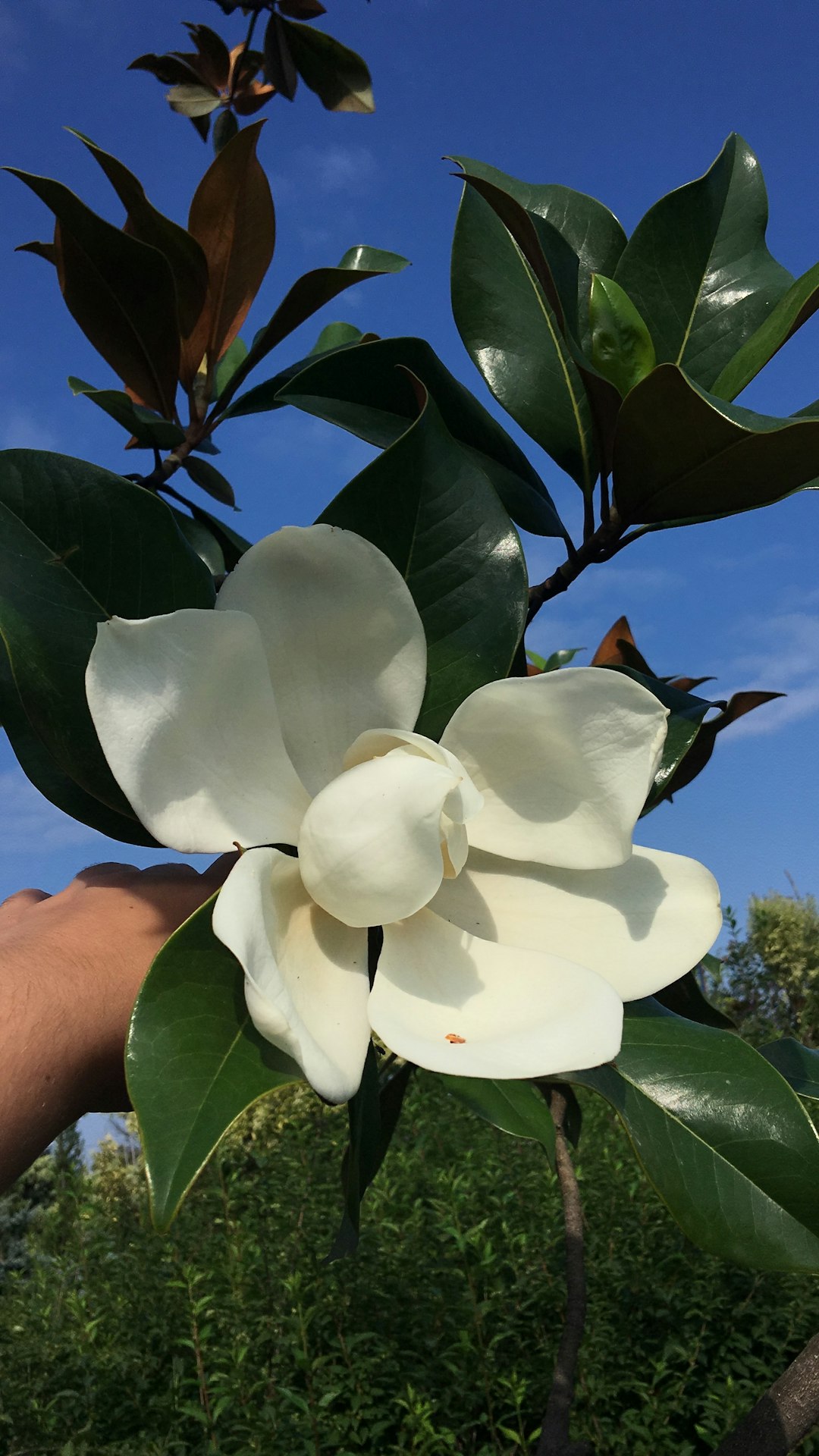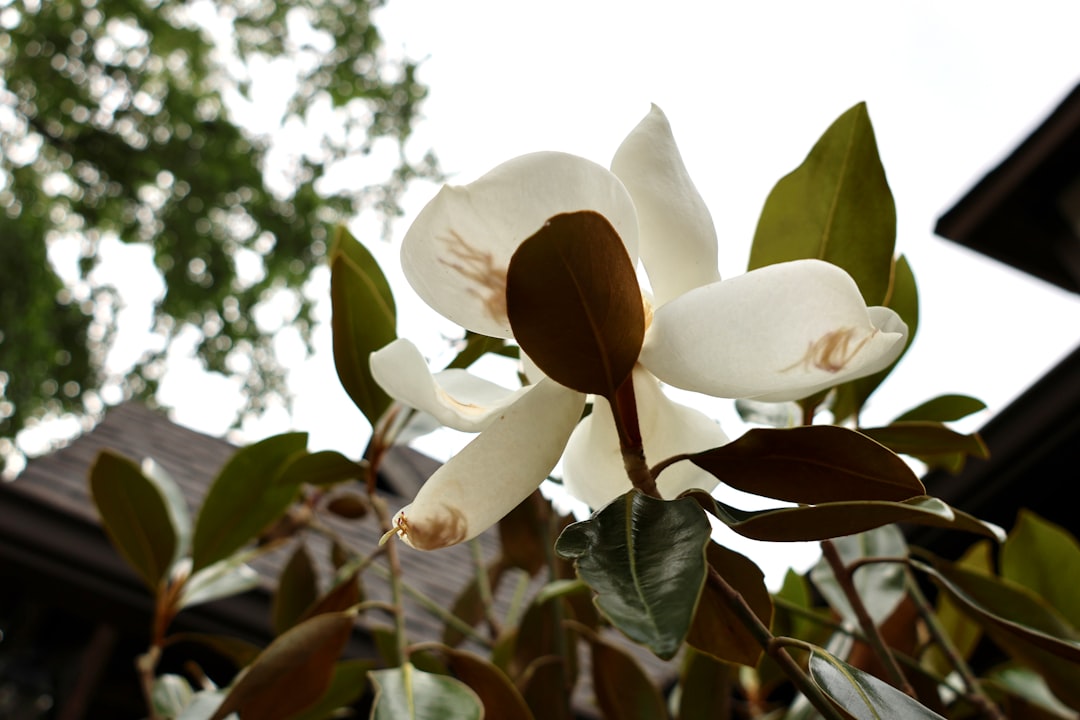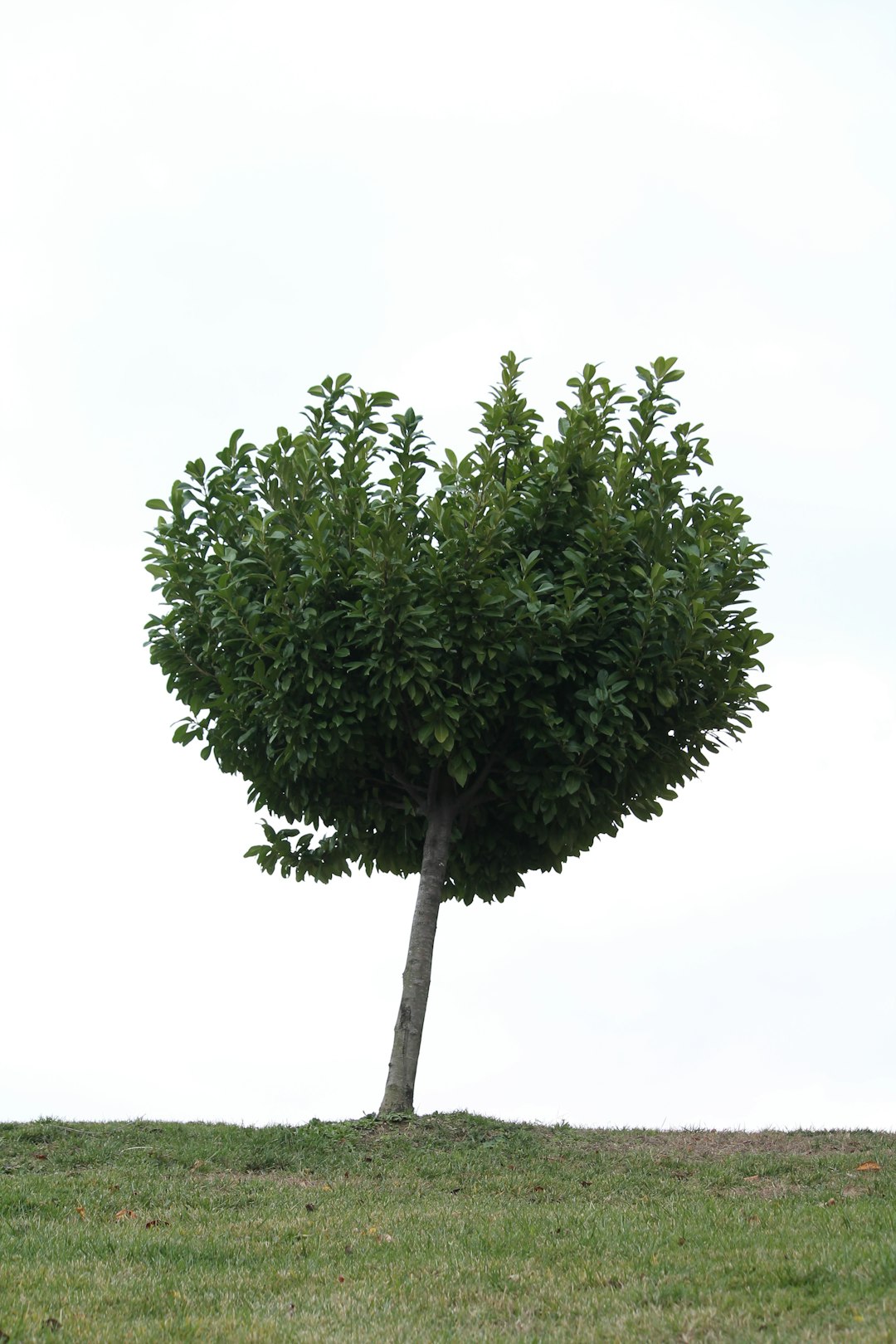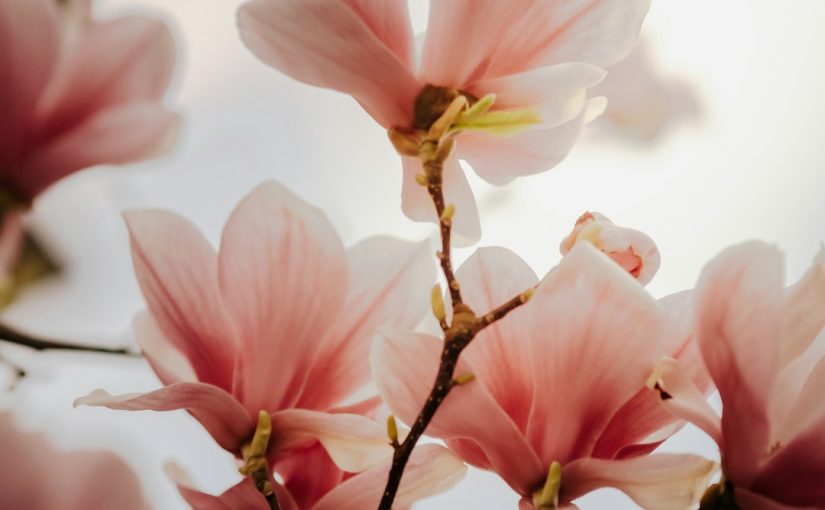
The majestic magnolia, celebrated for its stunning, often fragrant blossoms, is a beloved tree in landscapes worldwide. Many admirers, captivated by its beauty, eventually wonder if this magnificent plant produces a fruit. It’s a natural curiosity, given that most flowering trees eventually bear some form of fruit. While magnolias certainly do produce a structure that is botanically classified as a fruit, it’s vastly different from the juicy, sweet offerings we typically associate with orchard trees. Understanding what grows on a magnolia tree involves delving into its unique reproductive cycle and dispelling common misconceptions about edibility. This article will explore the distinctive characteristics of magnolia’s fruiting structures, clarify their purpose, and explain why, despite their appearance, they are not intended for human consumption.
Understanding magnolia’s unique reproductive structures
Magnolias are ancient plants, with a lineage stretching back millions of years, predating bees and relying on beetles for pollination. This ancient heritage is reflected in their distinctive reproductive structures, particularly what we refer to as their “fruit.” Unlike the simple fruit of an apple or a cherry, a magnolia’s fruit is botanically classified as an aggregate fruit, specifically an aggregation of follicles. Each follicle develops from a single pistil in the flower, and as they mature, they fuse together to form a larger, often cone-like structure. This fascinating development is a hallmark of the magnoliaceae family, showcasing an evolutionary path distinct from many modern flowering plants. Initially green and inconspicuous, these structures undergo a remarkable transformation as they ripen, eventually becoming a striking feature of the tree.
The appearance and characteristics of magnolia fruit
As the magnolia blossoms fade, the central cone-shaped receptacle begins to swell and develop into the mature fruit. Its appearance varies slightly among the hundreds of magnolia species, but a common characteristic, especially in popular varieties like the Southern Magnolia (Magnolia grandiflora), is its distinctive cone-like, bumpy, or knobby texture. When ripe, these fruits often display vibrant colors, ranging from shades of red and pink to reddish-brown. This transformation in color is a key indicator of maturity. What makes them truly remarkable, however, is what happens next: the individual follicles within the aggregate fruit begin to split open. From these fissures emerge bright, glossy seeds, typically a brilliant red or orange, often dangling by slender, silken threads. This dramatic display of colorful seeds against the rustic cone is a striking visual spectacle, designed by nature for seed dispersal.
Are magnolia fruits edible? Dispel common misconceptions
Given the appealing colors of the magnolia fruit and its seeds, a frequently asked question is whether they are edible. The straightforward answer for humans is no. While magnolia fruits and seeds are not considered highly toxic, they are certainly not palatable or suitable for consumption. They lack the sweet, fleshy pulp characteristic of edible fruits and instead possess a woody, fibrous texture. Ingesting them would likely result in an unpleasant, bitter taste and could potentially cause mild digestive upset due to various compounds present. Their primary purpose is not to provide sustenance for large mammals like humans, but rather to protect and disperse the seeds. Various birds and small mammals, such as squirrels, are known to consume the seeds, playing a crucial role in the tree’s natural propagation. For these creatures, the seeds offer a source of nutrients, but for human palettes, they offer nothing but disappointment.
Magnolia seeds and their propagation
The true essence of the magnolia “fruit” lies within its seeds. The bright red or orange seeds, suspended by delicate threads, are the tree’s method of ensuring future generations. Each seed is encased in a fleshy, oily outer coating known as an aril, which serves to attract seed-dispersing animals and possibly aids in germination. For gardeners and horticulturists, these seeds are a valuable resource for propagating new magnolia trees. However, they require specific conditions to germinate successfully, often needing a period of cold stratification to break dormancy. This natural process mimics the winter conditions they would experience outdoors. The table below highlights key differences between magnolia’s reproductive structures and typical edible fruits, emphasizing their distinct purposes and characteristics.
| Characteristic | Magnolia “fruit” (e.g., M. grandiflora) | Common Edible Fruit (e.g., Apple) |
|---|---|---|
| Botanical Classification | Aggregate of follicles | Pome |
| Typical Appearance | Cone-like, bumpy, red/pink/brown | Rounded, smooth skin, various colors |
| Edibility for Humans | Not edible/palatable | Highly edible |
| Primary Purpose | Seed dispersal for propagation | Seed dispersal & animal attraction (for consumption) |
| Texture (if consumed) | Woody, dry, unappetizing | Juicy, crisp, fleshy |
| Seeds | Bright red/orange, suspended by threads | Small, brown/black, inside core |
In conclusion, while a magnolia tree does indeed grow a fruit, it’s essential to understand its unique botanical nature and purpose. This distinctive, cone-like structure, an aggregate of follicles, is a fascinating aspect of the magnolia’s ancient reproductive strategy. Its transformation from green to vibrant red or pink, revealing bright red or orange seeds dangling on threads, offers a beautiful visual display rather than an edible harvest. We’ve clarified that despite their striking appearance, these “fruits” are not suitable for human consumption due to their unpalatable texture and potential for mild digestive upset. Their true value lies in their role as seed dispersal mechanisms, crucial for the propagation of these magnificent trees. So, next time you admire a magnolia, appreciate its unique fruit for its aesthetic beauty and ecological significance, rather than considering it a culinary delight.
Image by: Bianca Ackermann