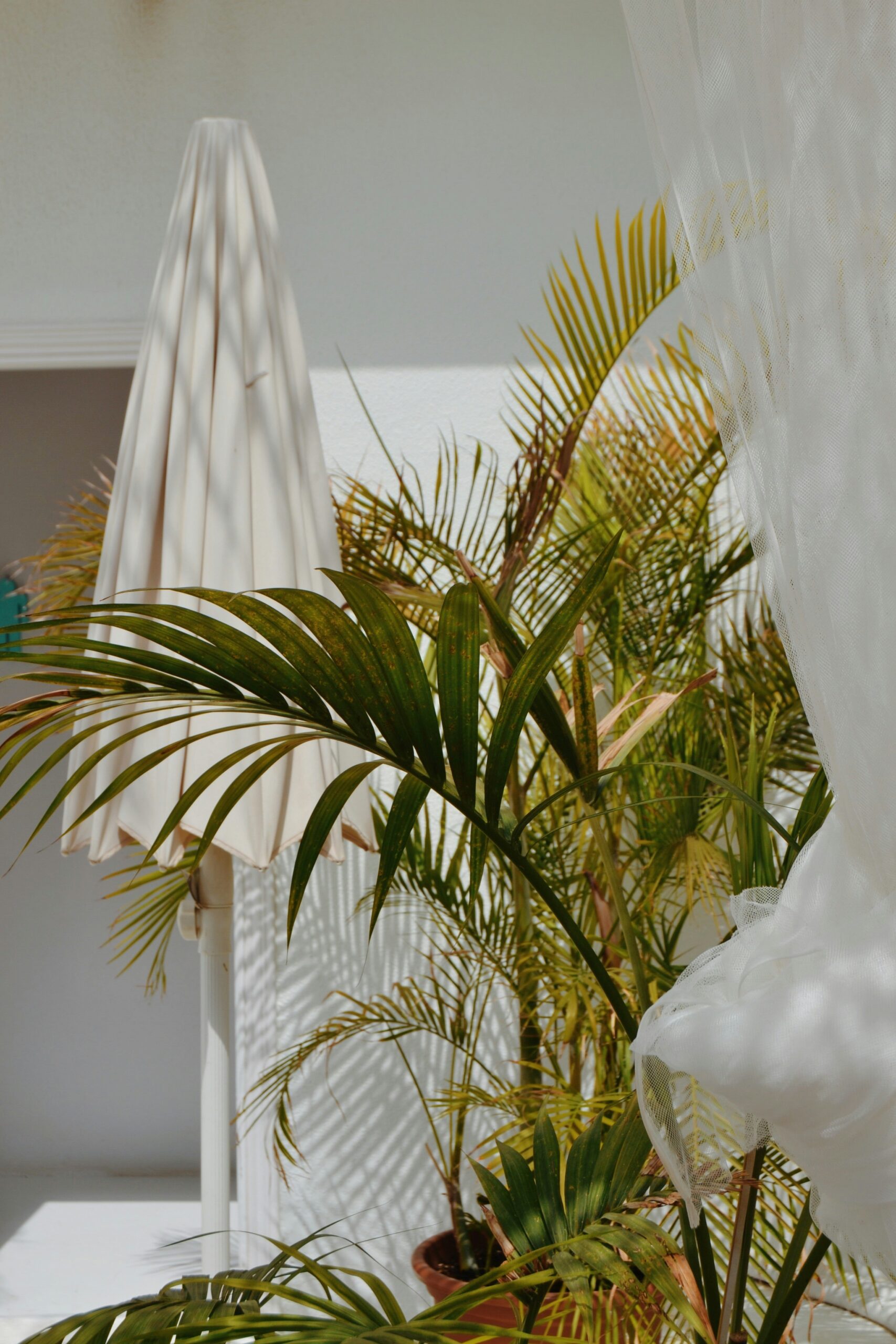
The sago palm, Cycas revoluta, is a magnificent and ancient plant, revered for its striking, prehistoric appearance and remarkable resilience. Often mistaken for a true palm, it is actually a cycad, an evolutionary link to coniferous trees. While generally low maintenance, even these hardy plants can occasionally face challenges, manifesting most distressingly as browning fronds. Witnessing your once vibrant green sago palm turn brown can be disheartening, raising concerns about its health and longevity. Fortunately, a brown sago palm is not necessarily a lost cause. With careful observation, proper diagnosis, and timely intervention, most sago palms can be nursed back to health, regaining their lush, verdant splendor. This guide will walk you through the essential steps to identify the underlying issues and implement effective strategies to revive your cherished sago palm.
Diagnosing the brown: understanding the root causes
Before you can effectively treat a brown sago palm, it is crucial to understand why it is browning. Various factors can contribute to this common problem, and a precise diagnosis will guide your corrective actions. Begin by closely inspecting your plant and its environment.
- Underwatering: This is a frequent culprit, especially for potted sago palms. If the soil is consistently dry and compacted, and the fronds feel crispy and brittle, underwatering is likely. The browning often starts at the tips and edges of the fronds, progressing inwards.
- Overwatering and poor drainage: Perhaps the most common killer of sago palms. Excess moisture suffocates the roots, leading to root rot. Symptoms include yellowing before browning, soft or mushy fronds, and a foul odor from the soil. The soil may remain soggy for extended periods.
- Nutrient deficiencies: Sago palms, particularly those grown in pots, require specific nutrients. A lack of manganese, magnesium, or iron can cause fronds to yellow and then brown. This often affects newer fronds first (manganese deficiency) or older fronds (magnesium deficiency).
- Pest infestations: Scale insects and mealybugs are common pests. They attach themselves to the fronds and stems, sucking out sap. Look for small, raised bumps (scale), cottony masses (mealybugs), sticky residue (honeydew), or sooty mold growing on the honeydew. Significant infestations can lead to widespread browning.
- Sunburn: While sago palms enjoy bright light, a sudden move from shade to intense, direct sun can scorch their fronds, causing them to turn brown and crispy, especially on the exposed side.
- Cold damage: Sago palms are tropical to subtropical plants. Exposure to freezing temperatures will cause irreversible browning and damage to the fronds.
- Transplant shock: If the plant has recently been repotted or moved, it might experience temporary stress, leading to some frond browning as it adjusts to its new environment.
The rescue mission: immediate steps for revival
Once you have a clearer idea of what might be ailing your sago palm, it’s time to take action. The immediate steps focus on alleviating stress and preventing further damage.
- Pruning affected fronds: Carefully remove any fronds that are completely brown, dead, or severely damaged. Use clean, sharp pruning shears to make cuts close to the trunk, but avoid cutting into the trunk itself. This helps the plant conserve energy by not trying to sustain dead tissue and also improves air circulation. Do not remove partially green fronds unless absolutely necessary, as they can still photosynthesize.
- Correcting watering issues:
- For underwatering: Give the plant a thorough soak until water drains from the bottom. Establish a consistent watering schedule, checking the soil moisture regularly.
- For overwatering: Allow the soil to dry out significantly before the next watering. If the soil is waterlogged and smells foul, gently remove the plant from its pot, inspect the roots for rot (mushy, dark roots), trim any rotten sections, and repot in fresh, well-draining soil. Ensure the pot has adequate drainage holes.
- Adjusting light exposure: If sunburn is evident, move your sago palm to a location with bright, indirect light. If it was in a very dark spot, gradually introduce it to brighter conditions to prevent shock. For cold-damaged plants, protect them from further cold exposure; recovery will depend on the extent of the damage.
- Treating pests: For scale or mealybug infestations, you can often remove them manually with a cotton swab dipped in rubbing alcohol for small outbreaks. For more severe cases, apply neem oil or an insecticidal soap according to product instructions. Repeat treatments may be necessary.
- Addressing nutrient deficiencies: If yellowing precedes browning and indicates a specific deficiency (e.g., manganese or magnesium), apply a palm-specific fertilizer or the appropriate micronutrient supplement. For manganese deficiency, manganese sulfate can be applied to the soil. Always follow package directions to avoid over-fertilization.
Long-term health: creating an optimal environment
Reviving a brown sago palm is one thing, but ensuring its continued health requires creating and maintaining an optimal growing environment. Prevention is always better than cure.
The table below summarizes key environmental factors for a thriving sago palm:
| Factor | Optimal Conditions | Impact on Sago Palm |
|---|---|---|
| Light | Bright, indirect light; tolerates some direct morning sun. | Too much direct afternoon sun can cause sunburn; too little leads to sparse, leggy growth. |
| Watering | Deeply, allowing soil to dry out completely between waterings. Less frequent in winter. | Overwatering causes root rot; underwatering leads to crispy, brown fronds. |
| Soil | Well-draining, sandy loam mix (e.g., palm or cactus mix). | Poorly draining soil retains too much moisture, leading to root problems. |
| Temperature | Ideally 65-85°F (18-29°C). Protect from frost. | Below 20°F (-6°C) can cause significant frond damage or death. |
| Humidity | Moderate, no special requirements for typical indoor humidity. | Extremely low humidity can sometimes contribute to crispy frond tips. |
| Fertilization | Slow-release palm fertilizer 2-3 times during the growing season (spring/summer). | Essential for healthy growth and preventing nutrient deficiencies. |
Regularly check the soil moisture with your finger before watering. Stick your finger about two inches deep; if it feels dry, it’s time to water. Ensure excellent drainage in pots by using appropriate soil and pots with large drainage holes. When repotting, choose a container only slightly larger than the previous one, as sago palms prefer to be somewhat root-bound. Fertilize during the growing season with a specialized palm fertilizer that contains essential micronutrients like manganese and magnesium. Monitor for pests regularly; early detection makes treatment much easier. Consistent care will promote strong, healthy growth and help your sago palm resist future stresses.
Troubleshooting persistent problems and common misconceptions
Sometimes, despite your best efforts, a sago palm may not show immediate signs of recovery or new issues might emerge. Patience is paramount with these slow-growing plants; recovery can take months, or even a full growing season, especially if the damage was extensive.
- Persistent root rot: If you suspect severe root rot and initial attempts failed, a more drastic measure might be needed. Gently unpot the plant, wash off all old soil, carefully trim away all soft, dark, or mushy roots until only healthy, firm roots remain. Repot into completely fresh, well-draining soil and a clean pot. Do not water immediately; wait a few days to allow any cut roots to callus.
- Natural leaf senescence: It’s important to differentiate between problems and natural processes. As new fronds emerge from the center crown, the oldest, lowest fronds will naturally yellow and eventually brown. This is normal and a sign of healthy growth. Prune these older fronds as they completely die back.
- Acclimation issues: If you’ve recently purchased or moved your sago palm, it might take several weeks or even months for it to fully acclimate to its new environment. Some browning during this period can be normal. Provide consistent care and minimize further changes.
- Insufficient light for new growth: If new fronds are appearing elongated, weak, or immediately yellowing, it could indicate insufficient light. While mature sago palms are somewhat tolerant of lower light, new growth benefits significantly from bright, indirect light to develop robustly.
- Over-fertilization: While nutrient deficiencies are an issue, too much fertilizer can burn the roots and lead to browning fronds, often starting at the tips. If you’ve recently fertilized heavily, flush the soil with plenty of plain water to leach out excess salts.
Remember, a sago palm is a resilient survivor from a bygone era. Even when it looks distressed, there’s often hope for recovery. Consistent, thoughtful care, coupled with keen observation, will be your greatest tools in ensuring your sago palm thrives for many years to come.
Reviving a brown sago palm is a rewarding endeavor that calls for attentiveness and a systematic approach. We have explored the critical steps, beginning with a thorough diagnosis of potential causes, from common watering imbalances and nutrient deficiencies to pest infestations and environmental stressors like cold or sunburn. Following diagnosis, immediate interventions such as selective pruning and correcting watering habits are vital for stabilizing the plant. Long-term success, however, hinges on establishing an optimal growing environment, encompassing appropriate light, well-draining soil, a consistent watering schedule, and regular, balanced fertilization. Understanding the natural life cycle of your sago palm and distinguishing normal senescence from actual distress is also key to avoiding unnecessary panic. While these ancient plants are incredibly hardy, they communicate their needs through their fronds. By carefully observing these signals and implementing the strategies outlined in this guide, you can restore your sago palm to its majestic green glory. With patience, persistence, and a little horticultural know-how, your once-brown sago palm will not only recover but thrive, becoming a beautiful focal point in your home or garden for decades to come.
Image by: benjamin lehman