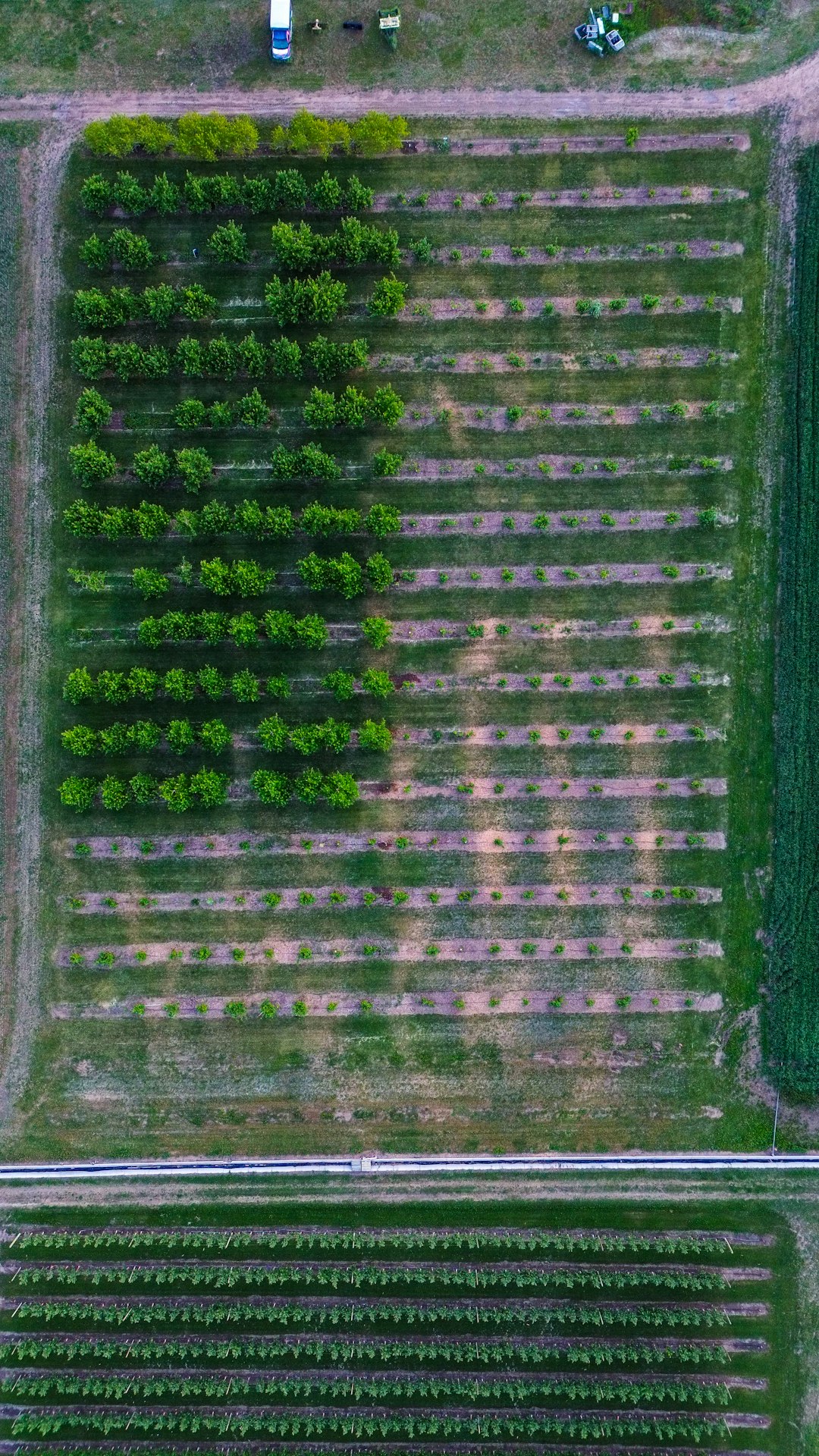
The global demand for food continues to escalate, placing immense pressure on agricultural systems to produce higher yields. For decades, conventional farming has heavily relied on synthetic chemical fertilizers to meet this demand, leading to concerns about environmental degradation, soil health depletion, and the sustainability of our food production. In this context, biofertilizers emerge as a promising and eco-friendly alternative, offering a sustainable pathway to enhance crop productivity while safeguarding our planet. This article will delve into the critical role biofertilizers play, exploring their mechanisms, benefits for soil and crops, and their contribution to a more resilient and environmentally conscious agricultural future.
Understanding biofertilizers: Nature’s tiny helpers
Biofertilizers are preparations containing living microorganisms that, when applied to seeds, plant surfaces, or soil, colonize the rhizosphere or the interior of the plant and promote growth by increasing the supply or availability of primary nutrients to the host plant. Unlike synthetic fertilizers that directly provide nutrients, biofertilizers work by harnessing natural biological processes to make existing nutrients in the soil more accessible to plants or by adding nutrients through microbial activities. These microscopic allies are integral to maintaining ecological balance within agricultural ecosystems.
There are several key types of biofertilizers, each with specific functions:
- Nitrogen-fixing biofertilizers: These include bacteria like Rhizobium (for legumes), Azotobacter, and Azospirillum (for non-legumes) which convert atmospheric nitrogen gas into ammonia, a form usable by plants.
- Phosphate-solubilizing biofertilizers (PSB): Microbes such as Bacillus and Pseudomonas species solubilize insoluble inorganic phosphate compounds in the soil, converting them into plant-available forms.
- Potassium-mobilizing biofertilizers (KMB): Certain bacteria and fungi can mobilize fixed potassium from soil minerals, making it accessible for plant uptake.
- Mycorrhizal fungi: These fungi form symbiotic relationships with plant roots, extending the root system’s reach and improving the uptake of phosphorus, water, and other micronutrients.
The application of these biological agents represents a shift towards leveraging nature’s own mechanisms for plant nourishment.
Revolutionizing soil health and nutrient cycling
One of the most profound impacts of biofertilizers is their ability to rejuvenate and sustain soil health. Healthy soil is the bedrock of productive agriculture, and biofertilizers play a crucial role in enhancing its biological, chemical, and physical properties. By introducing beneficial microorganisms, biofertilizers significantly improve the soil’s structure, aeration, and water-holding capacity, creating a more favorable environment for root development and overall plant growth.
Their contributions to nutrient cycling are particularly noteworthy:
- Enhanced nitrogen availability: Nitrogen-fixing bacteria perform biological nitrogen fixation, converting atmospheric N₂ into ammonia (NH₃), which is a key component of amino acids and proteins. For instance, Rhizobium bacteria form nodules on legume roots, engaging in a highly efficient symbiotic relationship that provides the plant with vital nitrogen.
- Improved phosphorus uptake: Phosphorus is often abundant in soil but mostly in insoluble forms unavailable to plants. Phosphate-solubilizing bacteria secrete organic acids (like gluconic acid, lactic acid) and enzymes (phosphatases) that dissolve these unavailable phosphorus compounds, making them accessible. This process is critical as phosphorus is vital for energy transfer, root growth, and flowering.
- Potassium mobilization: Similarly, potassium-mobilizing bacteria can release fixed potassium from silicate minerals and other insoluble compounds, contributing to better plant metabolism and stress resistance.
Beyond these primary nutrients, biofertilizers foster a diverse soil microbiome, which helps in the decomposition of organic matter, nutrient recycling, and suppression of plant pathogens, thereby creating a vibrant and resilient soil ecosystem.
Boosting crop productivity and stress tolerance
The direct benefits of biofertilizers extend significantly to crop productivity and resilience. By optimizing nutrient availability and improving soil conditions, these microbial inoculants lead to healthier, more vigorous plants, capable of producing higher yields. The mechanisms through which biofertilizers enhance crop performance are multifaceted:
- Direct growth promotion: Many beneficial microbes produce phytohormones such as auxins, gibberellins, and cytokinins, which stimulate root development, stem elongation, and overall plant biomass. This leads to a more robust plant architecture and efficient resource utilization.
- Increased nutrient uptake efficiency: With enhanced nutrient solubilization and mobilization, plants absorb essential macro and micronutrients more effectively. This results in stronger growth, improved photosynthesis, and better quality produce.
- Enhanced stress tolerance: Biofertilizers can significantly bolster a plant’s ability to withstand various environmental stresses, including drought, salinity, and extreme temperatures. Some microbes induce systemic resistance in plants, making them more resilient to diseases and pest attacks. For example, mycorrhizal fungi extend the root system’s reach, improving water absorption during dry spells.
- Disease suppression: Certain biofertilizers contain antagonistic microbes that can suppress soil-borne pathogens by competing for nutrients and space or by producing antimicrobial compounds. This natural defense mechanism reduces the need for chemical pesticides.
The cumulative effect is a more productive agricultural system that yields better quality crops with enhanced natural defenses, reducing reliance on external chemical inputs.
Sustainable agriculture and economic advantages
The adoption of biofertilizers is a cornerstone of sustainable agriculture, offering compelling environmental and economic advantages over conventional farming practices. Their use aligns perfectly with ecological principles, promoting a healthier planet while ensuring food security.
Environmental benefits:
- Reduced chemical dependency: By enhancing natural nutrient cycling, biofertilizers minimize the need for synthetic nitrogen, phosphorus, and potassium fertilizers. This directly translates to reduced chemical runoff into water bodies, preventing eutrophication and protecting aquatic ecosystems.
- Lower greenhouse gas emissions: The production of synthetic nitrogen fertilizers is energy-intensive and a significant contributor to greenhouse gas emissions. Biofertilizers offer a cleaner alternative, reducing agriculture’s carbon footprint.
- Biodiversity preservation: Healthier soil rich in microbial life supports a greater diversity of flora and fauna, contributing to overall ecosystem health.
Economic benefits for farmers:
- Cost savings: Farmers can significantly reduce their expenditure on expensive chemical fertilizers, leading to higher profit margins.
- Increased yields and quality: As discussed, biofertilizers lead to better crop growth and higher yields, further boosting farmer income.
- Improved long-term soil fertility: Unlike chemical fertilizers that can degrade soil over time, biofertilizers improve soil structure and organic matter content, ensuring long-term productivity without continuous, increasing inputs.
The following table illustrates a comparison:
| Feature | Conventional Fertilizers | Biofertilizers |
|---|---|---|
| Source of nutrients | Chemical synthesis | Microbial activity |
| Environmental impact | High (runoff, GHG emissions) | Low (eco-friendly) |
| Soil health | Can degrade over time | Enhances, builds organic matter |
| Cost to farmer | High input cost | Lower input cost, long-term savings |
| Crop resilience | Dependent on external inputs | Naturally enhanced |
Biofertilizers represent a powerful tool in the transition towards more sustainable, regenerative, and economically viable agricultural systems worldwide.
In conclusion, the significance of biofertilizers in modern crop production cannot be overstated. They offer a comprehensive solution to many challenges faced by contemporary agriculture, from environmental pollution and soil degradation to ensuring food security. By harnessing the innate power of beneficial microorganisms, biofertilizers not only enhance soil fertility and nutrient cycling but also directly boost crop productivity, improve plant health, and increase resilience against various stresses. Their role in reducing reliance on synthetic chemicals marks a pivotal shift towards more sustainable and eco-friendly farming practices. Embracing biofertilizers is crucial for developing agricultural systems that are productive, environmentally sound, and economically viable, paving the way for a healthier planet and a more sustainable food future for all.
Image by: Josephina Kolpachnikof