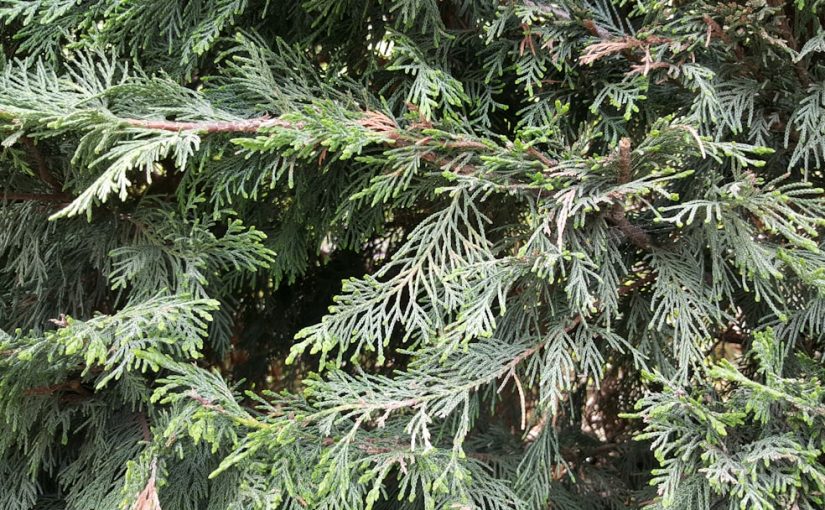
The ‘Fat Albert’ Colorado Blue Spruce (Picea pungens ‘Fat Albert’) is a highly sought-after conifer, prized for its classic pyramidal shape, dense branching, and striking blue-green needles. Its robust appearance and relatively compact size make it a popular choice for landscapes, offering year-round beauty and a strong vertical element. However, even this hardy specimen is not immune to a range of challenges. Understanding the common problems that can plague a Fat Albert spruce is crucial for maintaining its health and aesthetic appeal. From environmental stressors to specific pests and diseases, being informed allows homeowners and landscapers to proactively address issues, ensuring this magnificent tree remains a vibrant focal point in any garden for years to come.
Environmental stressors and site selection
The foundation of a healthy Fat Albert spruce lies in its initial planting site and the environmental conditions it experiences. These trees, while adaptable, thrive best when their specific needs are met. One of the most common issues arises from improper site selection. Fat Albert spruces prefer full sun, meaning at least six hours of direct sunlight daily. Planting them in overly shady conditions can lead to sparse growth, weaker branches, and increased susceptibility to diseases due to reduced vigor. Soil composition is equally vital; they prefer well-draining, slightly acidic to neutral soils. Heavy clay soils that retain too much moisture can quickly lead to root rot, a silent killer that often manifests as browning needles and branch dieback long after the damage has begun.
Water management is another critical environmental factor. While spruces need consistent moisture, especially when young, overwatering or poor drainage is detrimental. Conversely, prolonged drought can also stress the tree, making it vulnerable to other issues. Symptoms of water stress often include needles turning yellow or brown and dropping prematurely. Furthermore, trees planted in high-traffic areas or near impervious surfaces like driveways and sidewalks can suffer from soil compaction, restricting root growth and nutrient uptake. Road salt runoff in winter can also be a significant issue, causing needle burn and eventual branch death on exposed sides. Ensuring proper spacing from other plants and structures also allows for adequate air circulation, which is key to preventing certain fungal diseases.
Pests and diseases targeting fat albert spruce
Despite their sturdy nature, Fat Albert spruces are susceptible to a range of pests and diseases that can compromise their health and appearance. Early identification and intervention are paramount to mitigating damage. Among the most common insect pests are spruce spider mites. These tiny arachnids thrive in hot, dry conditions and feed on needle sap, causing stippling, discoloration (often bronze or yellow), and eventually needle drop. A tell-tale sign is fine webbing on branches. Another prevalent pest is the spruce gall adelgid, which creates distinct pineapple-shaped galls at the base of new growth, distorting the branches and weakening the tree. Bagworms can also defoliate branches, creating distinctive camouflaged sacks made of needles and twigs.
Fungal diseases pose another serious threat. Cytospora canker is a widespread problem, particularly on stressed or older trees. It manifests as sunken lesions on branches, often accompanied by resin flow, leading to branch dieback that typically starts from the bottom of the tree and moves upwards. Rhizosphaera needle cast is another common fungal disease, causing older needles (often the second-year needles) to turn purplish-brown and drop prematurely. This disease is exacerbated by wet, humid conditions and poor air circulation. Identifying the specific pest or disease is crucial, as treatment strategies vary significantly.
Here’s a quick overview of common issues:
| Problem Type | Common Issues | Symptoms | Typical Impact |
|---|---|---|---|
| Environmental | Poor Drainage / Overwatering | Yellowing, browning needles; root rot | Stunted growth, branch dieback, tree death |
| Environmental | Drought Stress | Dry, brittle, discolored needles; needle drop | Weakened tree, increased pest susceptibility |
| Pest | Spruce Spider Mites | Stippling, bronze/yellow needles, fine webbing | Needle loss, reduced aesthetic value |
| Pest | Spruce Gall Adelgids | Pineapple-shaped galls on new growth | Distorted branches, reduced vigor |
| Disease (Fungal) | Cytospora Canker | Sunken lesions, resin flow, branch dieback (bottom up) | Branch loss, severe disfigurement, tree death |
| Disease (Fungal) | Rhizosphaera Needle Cast | Purplish-brown discoloration of older needles, premature drop | Thinning canopy, reduced vigor |
Cultural practices and long-term health
Many common problems can be prevented or mitigated through diligent cultural practices that promote the overall health and resilience of your Fat Albert spruce. Proper watering is fundamental; aim for deep, infrequent watering that encourages roots to grow deeper, rather than shallow, frequent watering that promotes surface roots. During dry spells, especially in fall and winter, supplemental watering can be crucial. Applying a 2-4 inch layer of organic mulch around the base of the tree, keeping it a few inches away from the trunk, helps retain soil moisture, regulate soil temperature, and suppress weeds, all of which reduce tree stress.
Pruning should be done judiciously. Remove any dead, diseased, or damaged branches as soon as they are observed to prevent the spread of pathogens. When pruning, make clean cuts just outside the branch collar. Avoid heavy pruning, as spruces generally do not tolerate it well. Fertilization is often not necessary for established trees in healthy soil, but a soil test can determine if specific nutrient deficiencies exist. If needed, use a slow-release fertilizer formulated for evergreens, applied according to package directions, typically in early spring or late fall. Regularly inspecting your spruce for any signs of distress—discolored needles, unusual growth, or insect activity—allows for early intervention before problems escalate. Providing adequate space for air circulation also helps prevent fungal issues.
Diagnosing and addressing specific issues
Effective management of Fat Albert spruce problems begins with accurate diagnosis. Observing specific symptoms is key. If needles are turning yellow or brown, consider whether it’s uniform across the tree (suggesting root issues or environmental stress) or isolated to specific branches (pointing to canker or pests). Webbing indicates mites, while galls signal adelgids. Resin oozing from bark often accompanies canker. Once a problem is identified, appropriate action can be taken.
For pest infestations, horticultural oils or insecticidal soaps can be effective against mites and aphids, especially when applied early. Systemic insecticides may be warranted for more severe infestations or harder-to-reach pests like bagworms, but these should be used with caution and according to label instructions. For fungal diseases like Rhizosphaera needle cast, fungicides can help protect new growth, though they won’t cure already infected needles. Cytospora canker often requires pruning out infected branches, ensuring tools are sterilized between cuts. In all cases, addressing underlying stress factors—such as improving drainage or providing adequate water—is critical, as stressed trees are more susceptible to these issues. If you’re unsure about the diagnosis or treatment, consulting a certified arborist is always the best course of action. They can accurately identify the problem and recommend the most effective, environmentally responsible solutions for your specific tree.
The Fat Albert spruce, with its distinctive blue-green foliage and neat pyramidal form, is undoubtedly a magnificent addition to many landscapes. However, as we’ve explored, its sustained health is contingent upon a clear understanding of potential problems and proactive care. From fundamental environmental stressors like improper site selection, poor drainage, and water extremes, to the insidious threats of pests such as spruce spider mites and gall adelgids, and diseases like Cytospora canker and Rhizosphaera needle cast, a range of factors can impact this beloved conifer. The overarching conclusion is that attentive cultural practices are not just beneficial but absolutely essential for preventing most of these issues.
By ensuring proper planting, adequate watering, judicious pruning, and regular monitoring, homeowners can significantly enhance the resilience of their Fat Albert spruce. Early detection of symptoms and accurate diagnosis are critical for effective intervention, whether that involves simple environmental adjustments or more targeted treatments. Remember, a thriving spruce is a testament to consistent care and vigilance. Investing time in understanding and meeting its needs will ensure that your Fat Albert remains a robust, eye-catching feature in your garden for many years, truly living up to its distinguished reputation without succumbing to common ailments.
Image by: Eda