The name “Red Maple” often conjures images of stunning autumnal foliage, a fiery spectacle that defines the season. Yet, for much of the year, particularly during spring and summer, the leaves of an Acer rubrum are undeniably green. This can lead to a common misconception: if it’s a “Red Maple,” why are its leaves green, and why do they seemingly “turn green” after being red in the fall? The truth lies not in a transformation from red to green, but in understanding the tree’s complete life cycle and the remarkable biological processes at play within its leaves. This article will demystify this apparent paradox, exploring the science behind the Red Maple’s vibrant green phase and clarifying its true identity.
The vibrant identity of the red maple
The common name “Red Maple” can be a source of confusion, leading many to assume its leaves are red year-round. However, the “red” in Acer rubrum actually refers to several of the tree’s striking characteristics that appear throughout the year, not exclusively its leaves. Its delicate spring flowers are often a brilliant red, as are its leaf petioles (the stalks attaching leaves to stems), and new twigs often display a reddish hue. Of course, its most famous feature is the spectacular crimson, scarlet, and orange display its leaves put on during autumn. But for the vast majority of the growing season – from the unfurling of new leaves in spring until the onset of cooler temperatures in fall – the leaves of a healthy Red Maple are, in fact, a rich, vibrant green. This green is not an anomaly; it’s the tree’s natural and essential summer attire, signaling its active phase of growth and energy production.
Chlorophyll: the green engine of life
The fundamental reason Red Maple leaves are green during their active growth period is the presence of chlorophyll. This vital pigment is the powerhouse behind photosynthesis, the process by which plants convert sunlight into energy (sugars) for their survival and growth. Located within specialized organelles called chloroplasts inside the leaf cells, chlorophyll efficiently absorbs light from the red and blue parts of the electromagnetic spectrum. However, it reflects the green wavelengths, which is why our eyes perceive leaves as green. Without sufficient chlorophyll, a tree cannot produce the energy it needs, making a robust green color a direct indicator of a healthy, actively photosynthesizing Red Maple. This pigment dominates the leaf’s appearance throughout spring and summer, effectively masking other, less abundant pigments.
The magic behind seasonal transformations
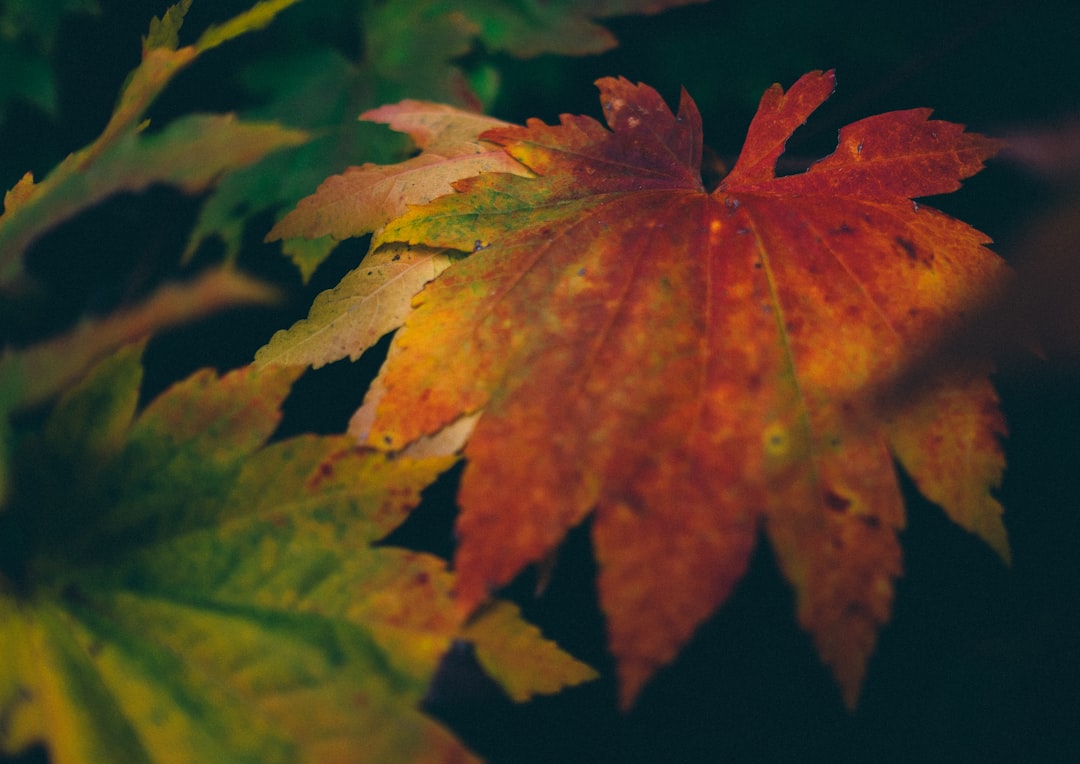
While chlorophyll is dominant during the summer, the apparent “turning green” is simply the natural state of the leaf during its primary energy production phase. The more famous transformation—when Red Maple leaves turn their namesake crimson in the fall—is a completely different biological process. As autumn approaches, shorter days and cooler temperatures signal to the tree that winter dormancy is near. The tree begins to break down the chlorophyll in its leaves, reabsorbing valuable nutrients back into its woody tissues. As the green chlorophyll fades, other pigments that were present all along but masked by the chlorophyll, such as yellow and orange carotenoids, become visible. The intense reds and purples, characteristic of many maples, are due to the production of anthocyanin pigments, which are synthesized in the leaves during the fall in response to bright light and cool temperatures. Thus, the shift is from a chlorophyll-dominated green to a display of underlying and newly created pigments, not from red back to green.
| Season | Dominant Leaf Color | Other Notable Features | Underlying Pigments/Process |
|---|---|---|---|
| Spring | Bright Green | Red flowers, new leaves unfurl | High chlorophyll production |
| Summer | Dark Green | Mature foliage, dense canopy | Chlorophyll at peak levels for photosynthesis |
| Autumn | Vibrant Red, Orange, Yellow | Falling leaves, bare branches approaching | Chlorophyll breakdown, anthocyanin and carotenoid visibility |
| Winter | N/A (Deciduous) | Red twigs, buds | Dormancy, no leaves |
Beyond the pigment: understanding leaf health and function
The consistent green color of a Red Maple’s leaves throughout the spring and summer is not merely an aesthetic choice; it is a critical indicator of the tree’s health and vigorous function. A deep, uniform green signifies that the tree has ample chlorophyll, is actively photosynthesizing, and is generally free from major stress, nutrient deficiencies, or disease. Any deviation from this expected green during the growing season – such as premature yellowing, browning, or a pale, washed-out appearance – can signal underlying issues. Factors like insufficient water, poor soil nutrition, pest infestations, or fungal diseases can all impair chlorophyll production or cause its premature breakdown. Therefore, observing the robust green of a Red Maple’s foliage isn’t just seeing its summer color; it’s witnessing a healthy, thriving organism diligently performing its life-sustaining work, absorbing sunlight, and contributing to the ecosystem.
In conclusion, the seemingly contradictory observation of “Red Maple trees turning green” is simply a delightful misunderstanding born from their memorable autumnal display. For the majority of its active life cycle, the Red Maple, like most deciduous trees, proudly wears a cloak of green. This vibrant hue is a direct result of chlorophyll, the essential pigment driving photosynthesis and ensuring the tree’s survival and growth. The “red” in its name points to other beautiful features – its flowers, twigs, and especially its spectacular fall foliage – which emerge when chlorophyll breaks down. Understanding this biological dance allows us to appreciate the Red Maple not just for its seasonal showstopper, but for the crucial, life-sustaining work it performs year-round, making its green summer leaves a true testament to its vitality and ecological importance.