There’s little in gardening as frustrating as nurturing blueberry bushes, watching them swell with fruit, only to have your entire anticipated harvest vanish overnight. The culprit? Often, it’s those agile, intelligent, and insatiably hungry squirrels. These persistent critters view your ripe blueberries as a personal buffet, leaving you with little more than empty stems and a sense of defeat. But fear not, fellow gardeners! Protecting your prized berries from these furry marauders is an achievable goal. This article will delve into a range of effective strategies, from robust physical barriers to clever deterrents and smart garden management, equipping you with the knowledge to safeguard your succulent blueberry bounty and ensure you’re the one enjoying the fruits of your labor.
Understanding the squirrel challenge
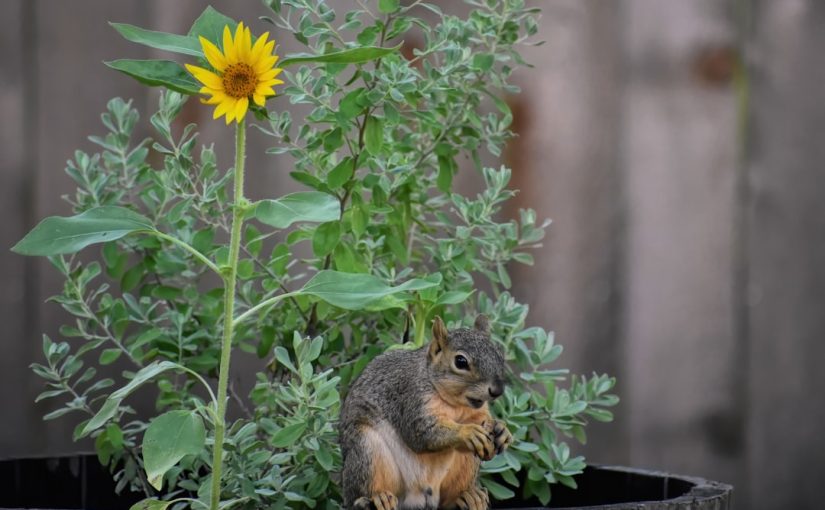
Before implementing any protective measures, it’s crucial to understand why squirrels are such formidable adversaries when it comes to blueberries. Squirrels are opportunistic omnivores, and while their diet primarily consists of nuts and seeds, they are highly attracted to the sweet, ripe fruit of blueberry bushes, especially as a readily available, high-energy food source. They possess exceptional agility, climbing prowess, and an uncanny ability to discover and exploit weaknesses in defenses. Their memory is also remarkable; once they’ve found a food source, they’ll return repeatedly until it’s exhausted or consistently inaccessible.
Their behavior isn’t driven by malice, but by instinct. For a squirrel, your blueberry bush represents survival. This understanding helps in developing a comprehensive strategy, moving beyond simple one-off solutions to a more integrated approach that considers their intelligence and persistence. Trying to simply “scare” them off often proves futile in the long run, as they quickly habituate to static deterrents. Effective solutions must either physically block access or create an environment that consistently signals danger or unavailability of food, making the effort of getting to your berries more trouble than it’s worth.
Fortifying your harvest with physical barriers
When it comes to reliably protecting your blueberries, physical barriers are often the most effective and least frustrating solution. They work by creating an impenetrable shield between the squirrels and your fruit, removing the possibility of access altogether. The key to success with barriers lies in their proper installation and maintenance, ensuring there are no gaps or weak points that an agile squirrel can exploit.
- Bird netting: This is a popular and relatively inexpensive option. Drape fine-mesh bird netting directly over your blueberry bushes or, even better, create a simple frame using stakes or PVC pipes to support the netting above the plants. This prevents the netting from resting directly on the fruit, which could still allow squirrels to nibble through the mesh. Anchor the bottom edges of the netting firmly to the ground using landscape staples, bricks, or soil to prevent squirrels from burrowing underneath or squeezing through the bottom. Choose netting with a mesh size small enough to exclude squirrels, typically 1/2 inch or less.
- Hardware cloth cages: For individual bushes or smaller rows, constructing cages out of galvanized hardware cloth (1/4 inch or 1/2 inch mesh) offers a more robust and long-lasting solution. These cages can be built as permanent structures around each bush or as removable tops that can be placed over plants during fruiting season. While more labor-intensive and costly upfront, they provide superior protection and are resistant to chewing. Ensure the tops are securely fastened and the sides are buried a few inches into the ground to deter digging.
- Fruit cages or enclosed garden beds: For serious blueberry enthusiasts or larger plantings, a dedicated fruit cage can be an excellent investment. These are typically walk-in structures constructed with a sturdy frame and covered entirely with netting or wire mesh. They offer complete protection not just from squirrels, but also birds and other pests, while allowing easy access for maintenance and harvesting.
Regardless of the barrier type chosen, regular inspection is vital. Squirrels are persistent and will quickly find and exploit any tears, holes, or unsecured edges. Promptly repair any damage to maintain the integrity of your defenses.
Deploying deterrents: Scents, tastes, and scares
While physical barriers are king, a multi-pronged approach often includes various deterrents to make your blueberry patch even less appealing. These methods aim to repel squirrels through unpleasant sensations or startling surprises, though their effectiveness can vary and often requires consistent reapplication.
Taste and scent repellents:
- Spicy applications: Squirrels dislike the capsaicin in chili powder or cayenne pepper. Sprinkling these directly on leaves (avoiding the fruit itself, especially close to harvest) or making a spray solution can deter them. However, these wash away easily with rain and require frequent reapplication.
- Natural strong scents: Some gardeners report success with strong-smelling substances like garlic spray, peppermint oil, or even predator urine (though this can be unpleasant for humans too). These need to be reapplied regularly, typically after rain or every few days.
- Commercial repellents: Various commercial squirrel repellents are available, often containing bittering agents or strong scents designed to deter consumption. Always read labels carefully to ensure they are safe for edible plants and follow application instructions.
Scare tactics:
- Reflective objects: Hanging old CDs, aluminum foil strips, or reflective Mylar tape can create flashes of light that startle squirrels.
- Predator decoys: Plastic owls or snakes can temporarily deter squirrels. However, squirrels are intelligent and quickly learn that these static figures pose no real threat, rendering them ineffective over time. Moving or repositioning them frequently can extend their utility slightly.
- Motion-activated sprinklers: These devices connect to a hose and spray a burst of water when motion is detected. The sudden spray and noise can be very effective at startling and driving away squirrels. Their main drawback is that they can also spray unsuspecting humans or pets, and require a water source.
Here’s a comparative look at some common deterrents:
| Deterrent Type | Primary Mechanism | Effectiveness (1-5 scale) | Reapplication Frequency | Pros | Cons |
|---|---|---|---|---|---|
| Cayenne Pepper/Chili | Taste/Irritant | 2-3 | After rain, weekly | Inexpensive, natural | Washes away, inconsistent |
| Peppermint Oil/Garlic Spray | Scent Repellent | 2 | Weekly | Natural, can be pleasant for humans | Limited lasting effect, inconsistent |
| Motion-Activated Sprinkler | Scare/Discomfort | 4 | N/A (battery/solar) | Highly effective for surprise | Can spray people/pets, requires water |
| Reflective Tape/Decoys | Visual Scare | 1-2 | N/A | Cheap, easy to install | Squirrels quickly habituate |
| Commercial Repellents | Taste/Scent (species-specific) | 3-4 | Varies by product | Can be more potent and lasting | Costly, potential for chemical use |
Remember that squirrels often develop tolerance to deterrents, so rotating different methods or combining them can be more effective than relying on a single approach.
Smart gardening practices and integrated solutions
Beyond barriers and repellents, adopting smart gardening practices can significantly reduce the appeal and accessibility of your blueberries to squirrels. An integrated approach combines multiple strategies to create a consistently inhospitable environment for these persistent foragers.
- Cleanliness is key: Regularly clean up any fallen blueberries, overripe fruit, or other edibles around your bushes. Rotting fruit acts as an irresistible invitation for squirrels and other pests, signaling an abundant food source. The cleaner your garden space, the less attractive it becomes as a foraging ground.
- Remove alternate food sources: If you have bird feeders, corn on the cob, or other accessible food sources nearby, squirrels will be a constant presence in your yard. Consider temporarily removing or squirrel-proofing these items during blueberry season to reduce the overall squirrel population density in your immediate garden area.
- Pruning and plant health: Keep your blueberry bushes well-pruned and healthy. While this doesn’t directly deter squirrels, it makes netting easier to apply and ensures strong, productive growth. Remove any branches that offer easy access points from nearby fences, trees, or structures, essentially creating a moated area around your bushes that forces squirrels to approach from the ground.
- Water sources: Ensure that other reliable water sources are available in your garden or yard, away from your blueberry bushes. Squirrels may be attracted to succulent fruits not just for food, but also for moisture, especially during dry spells. Providing a separate, easily accessible water dish might reduce their reliance on your berries for hydration.
- Consider alternative feeding (with caution): While counterintuitive for some, providing squirrels with an alternative, more appealing food source far away from your blueberry patch can sometimes divert their attention. This could involve a designated squirrel feeder with corn, nuts, or seeds placed strategically away from your valuable plants. However, this method can also increase the overall squirrel population in your yard, so it should be used with extreme caution and consistent monitoring.
- Patience and consistency: Whatever methods you choose, consistency is paramount. Squirrels are incredibly adaptable and persistent. A sporadic defense strategy will only lead to frustration. Regular monitoring, prompt repairs of barriers, and consistent reapplication of deterrents will yield the best long-term results.
Protecting your blueberry harvest from industrious squirrels is a common challenge for many home gardeners, but it is certainly not an insurmountable one. We’ve explored a range of strategies, beginning with understanding the squirrel’s persistent nature, which guides our defensive planning. The most reliable line of defense, as highlighted, often comes down to robust physical barriers like finely meshed netting or sturdy hardware cloth cages, meticulously installed to deny any access. Supplementing these barriers with deterrents – from the spicy kick of cayenne to the surprising blast of a motion-activated sprinkler – can add extra layers of discouragement. Finally, smart gardening practices, such as maintaining cleanliness around your bushes and managing other potential food sources, contribute significantly to long-term success. By integrating several of these techniques, rather than relying on a single, easily circumvented solution, you can create an environment where your blueberries are safe. It requires patience and persistence, but the reward of enjoying your homegrown, unblemished blueberries makes every effort worthwhile.
Image by: Ray Shrewsberry