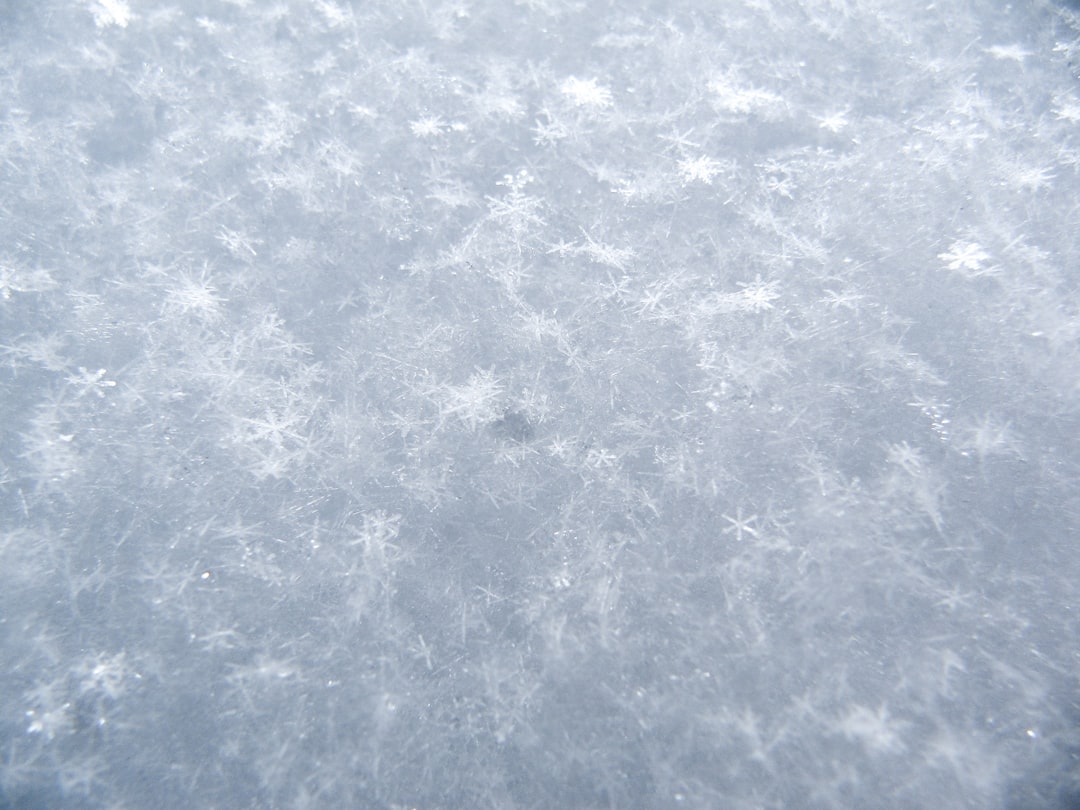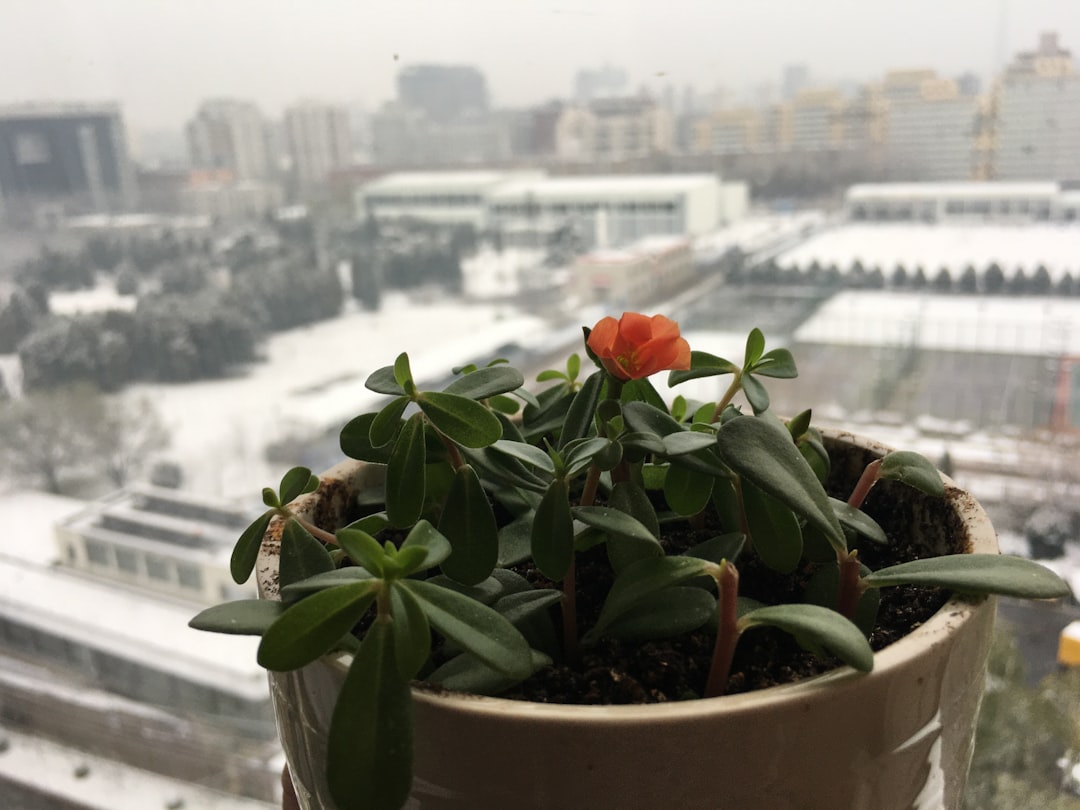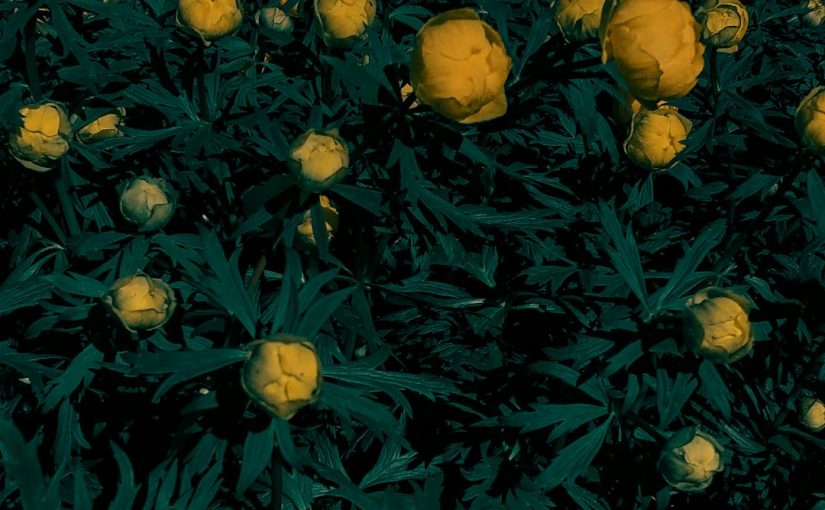
Winter, often perceived as a season of dormant landscapes and monochromatic palettes, holds a secret wonder for those who know where to look. Beyond the common snowdrops and crocuses that herald spring’s imminent arrival, there exists an extraordinary realm of rare flowers, true chionophiles, that not only tolerate but thrive amidst the snow. These botanical marvels challenge our understanding of floral resilience, pushing through icy crusts and enduring biting winds to unfurl their delicate petals. From the remote mountain peaks to secluded forest floors, these plants have evolved remarkable strategies to bloom when most other life slumbers. Discovering these elusive species offers a glimpse into nature’s profound adaptability and the enduring spirit of life, reminding us that beauty can flourish even in the harshest conditions.
The remarkable resilience of chionophiles
Chionophiles, or snow-loving plants, possess an intrinsic ability to withstand and even flourish in conditions that would spell doom for most flora. Their existence is a testament to evolution’s ingenuity, allowing them to carve out a niche in the seemingly barren winter landscape. Unlike their spring-blooming counterparts that wait for consistent warmth, these plants often capitalize on the insulating properties of snow, which paradoxically protects them from extreme temperature fluctuations and desiccating winds. Their life cycles are meticulously synchronized with the subtle shifts of the coldest months, often blooming from late autumn through deep winter, ensuring they complete their reproductive cycle before the forest canopy leafs out or before competition from other plants becomes too fierce. This early start allows them to harness available light and moisture when few others can, making their survival a delicate balance of timing and specialized adaptations.
Glimpses of rarity: extraordinary snow-defying blooms
While many flowers are cold-hardy, a select few are truly rare and spectacular in their ability to emerge through snow. These species often occupy specific, fragile habitats, contributing to their scarcity and making their discovery a special event.
- Galanthus reginae-olgae: This particular species of snowdrop, native to Greece and Sicily, is distinct from the common snowdrop. It often begins to bloom in early autumn, sometimes even before the first snows, and continues its display through winter. Its foliage emerges either with or after the flowers, a unique trait among snowdrops, making it a prized and relatively rare find for enthusiasts.
- Helleborus thibetanus: The Tibetan hellebore is a truly elusive beauty found in high-altitude forests of Sichuan, China. Unlike its more common European cousins, this species is notoriously difficult to cultivate outside its native habitat and is highly sensitive to environmental changes. Its delicate pinkish-white flowers emerge in late winter or early spring, often pushing through melting snow, captivating with their understated elegance. Its rarity is compounded by habitat loss and over-collection.
- Crocus veluchensis: Hailing from the Balkan Mountains, this specific crocus species is a vibrant burst of purple against the stark white of melting snow. It’s a true alpine plant, adapted to tolerate significant snow cover, and rapidly unfurls its blossoms as soon as a slight thaw occurs. Its populations are often localized, thriving in specific meadow and woodland clearings at higher elevations, making it a less common sight than other crocus varieties.
- Eranthis cilicica: A close relative of the winter aconite, Eranthis cilicica is native to Turkey and Syria. While all winter aconites are early bloomers, this species is noted for its slightly larger, more intense yellow flowers and finely dissected, bronze-tinged foliage. It often blooms directly on the frozen ground, sometimes with snow still present, offering a cheerful splash of color in late winter. It’s less widespread than the common Eranthis hyemalis, adding to its distinction.
Ingenious survival mechanisms against the cold
The ability of these rare flowers to thrive in sub-zero temperatures is not merely a feat of endurance but a marvel of biological engineering. They employ a suite of sophisticated adaptations:
- Cryoprotectants and antifreeze proteins: Much like antifreeze in a car, these plants produce specialized sugars, proteins, and amino acids that lower the freezing point of water within their cells, preventing ice crystal formation that would otherwise rupture cellular structures.
- Thermogenesis (heat generation): Some snow-dwelling plants, such as certain species of skunk cabbage (though not strictly a ‘flower’ in the ornamental sense, it illustrates the principle), can generate their own heat. This internal warmth helps to melt surrounding snow, creating a small, warm microclimate for emerging shoots and flowers. While less dramatic in these rare flowers, metabolic processes are optimized for cold efficiency.
- Snow as insulation: Far from being a hindrance, a blanket of snow acts as an effective insulator. It protects the dormant buds and emerging shoots from extreme temperature fluctuations and harsh winter winds, maintaining a relatively stable temperature close to 0°C (32°F) beneath the surface.
- Early photosynthesis: With few competing plants for light, these flowers have evolved to photosynthesize efficiently at low temperatures and often low light levels. Their leaves, though sometimes small, are highly effective at converting what little winter sun is available into energy.
- Rapid growth and flowering: Many of these plants exhibit an incredibly rapid growth spurt once conditions are even marginally favorable, allowing them to flower, be pollinated, and set seed within a very narrow window before more vigorous spring growth begins.
Here is a summary of some of these resilient species and their adaptations:
| Flower Name | Native Region | Unique Adaptation / Characteristic |
|---|---|---|
| Galanthus reginae-olgae | Greece, Sicily | Blooms in early autumn through winter; often appears before snow melts; foliage emerges with or after flowers. |
| Helleborus thibetanus | Sichuan, China | High-altitude forest dweller; sensitive to disturbance; delicate pinkish-white flowers emerge in late winter/early spring. |
| Crocus veluchensis | Balkan Mountains | Tolerates heavy snow cover; emerges rapidly once temperatures rise slightly; vibrant purple blooms. |
| Eranthis cilicica | Turkey, Syria | Blooms very early, yellow cup-shaped flowers; tolerates freezing ground; slightly larger and more intense yellow than related species. |
Protecting these fragile winter treasures
The very attributes that make these rare snow flowers so captivating also render them vulnerable. Their specificity to certain climates and habitats means they are highly susceptible to environmental changes. Climate change, with its unpredictable warming trends and altered precipitation patterns, poses a significant threat, disrupting the delicate timing of their bloom and the insulating properties of snow cover. Habitat destruction, through deforestation or development, directly eradicates their secluded homes. Furthermore, the allure of their rarity sometimes leads to over-collection by enthusiasts or illegal trade, depleting wild populations. Conservation efforts are therefore crucial. These include protecting their native habitats, establishing botanical gardens for propagation and study, and raising public awareness about their delicate nature. By understanding and appreciating these extraordinary winter bloomers, we can contribute to their survival, ensuring that future generations can continue to marvel at their enduring beauty against the backdrop of winter’s embrace.
The rare flowers that brave the snow are more than just botanical curiosities; they are profound symbols of resilience and life’s persistent drive to flourish even in the most challenging environments. Throughout this article, we’ve explored how species like the Greek snowdrop, Tibetan hellebore, Veluchi crocus, and Cilician winter aconite leverage ingenious biological mechanisms—from cryoprotectants to the insulating power of snow itself—to emerge triumphant amidst winter’s chill. Their remarkable adaptations underscore an evolutionary mastery of extreme conditions. However, their very uniqueness makes them inherently fragile, facing growing threats from climate change, habitat loss, and human interference. Recognizing the wonder of these elusive bloomers is the first step toward safeguarding them. Our final conclusion is a call to action: to value these extraordinary plants not just for their beauty, but for the vital lessons they teach us about perseverance and the delicate balance of ecosystems. Protecting these winter treasures ensures that the subtle magic of a snow-kissed bloom will continue to inspire for generations to come.
Image by: Ranurte