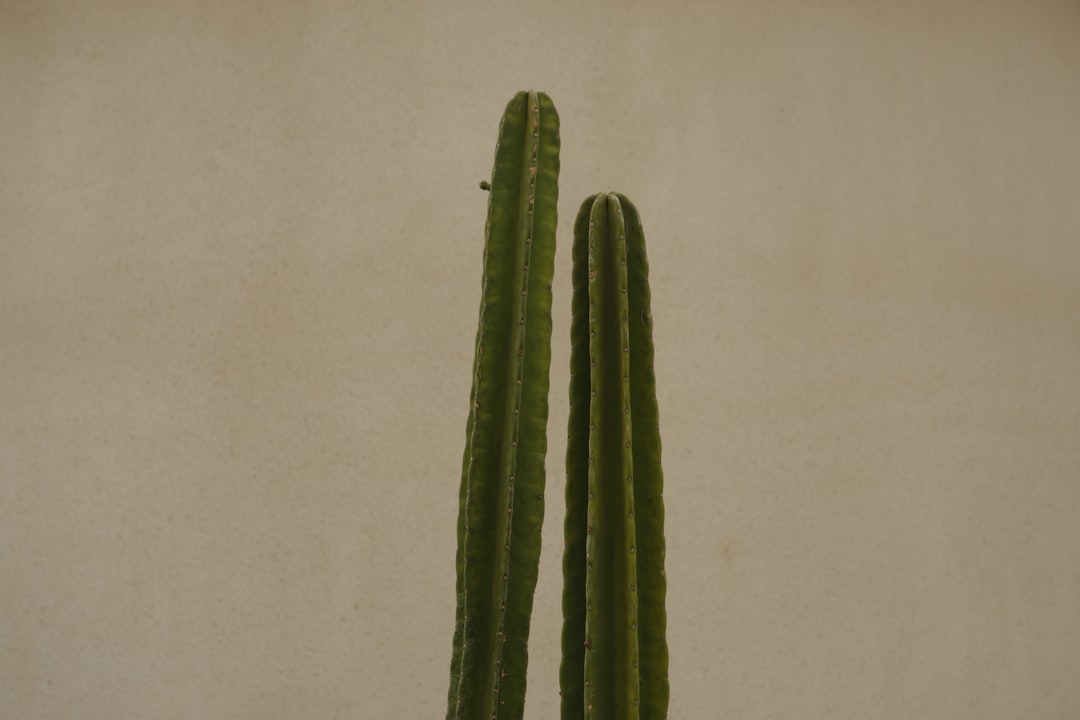
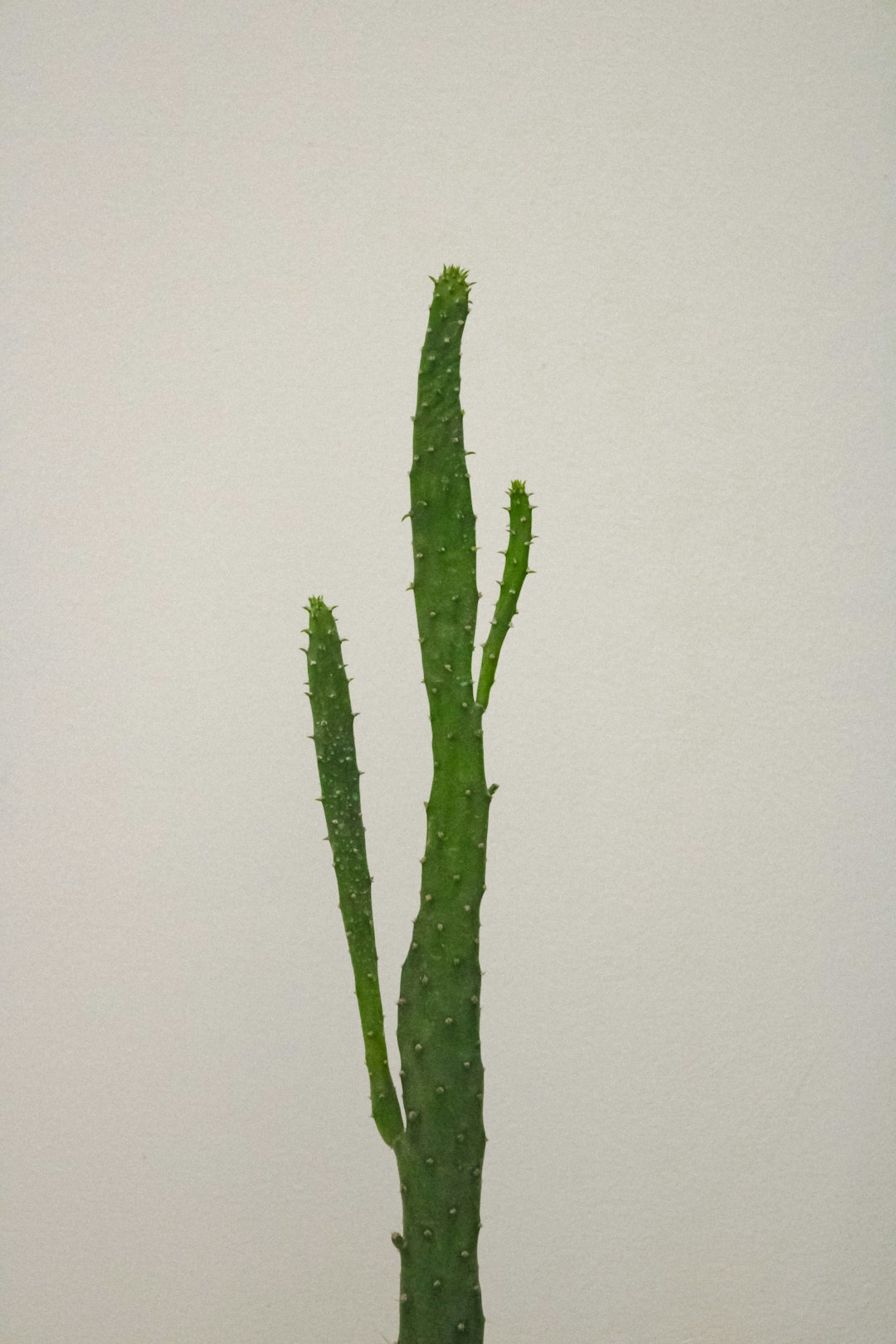
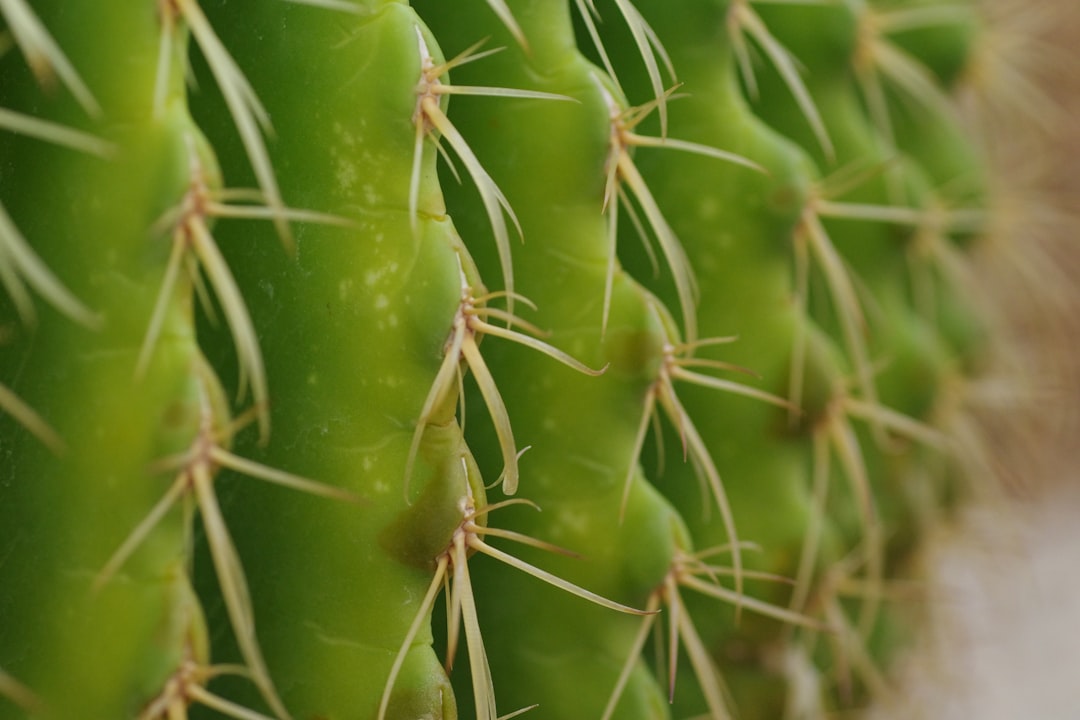
The ocotillo, a striking sentinel of the Sonoran Desert, captivates with its dramatic, whip-like stems that periodically burst into vibrant green leaves and fiery red-orange flowers. While a quintessential symbol of arid landscapes, many enthusiasts wonder how to bring this unique beauty into their own gardens or expand its presence. Propagating ocotillo can seem like a daunting task due to its specialized desert adaptations, but with the right knowledge and a good deal of patience, it is a highly rewarding endeavor. This guide will delve into the practical steps and crucial considerations for successfully propagating ocotillo, covering both the more common method of stem cuttings and the less frequent, but equally fascinating, approach of growing from seed. Prepare to unlock the secrets to cultivating this remarkable desert dweller.
Understanding ocotillo’s unique growth for successful propagation
Before embarking on the journey of propagation, it is essential to appreciate the ocotillo’s natural growth habits. Fouquieria splendens, as it’s botanically known, is not a typical shrub; it’s a woody succulent that can grow up to 20 feet tall, characterized by its multiple thorny, unbranched stems originating from a common base. These stems appear lifeless during long dry spells but quickly leaf out and flower after rainfall. This adaptation to extreme aridity dictates the best practices for propagation, as the plant is highly sensitive to excessive moisture, particularly in its rooting phase. Understanding its natural environment—well-drained, often rocky soil, and intense sunlight—is key to replicating the conditions necessary for new growth. While ocotillo can be grown from both seed and cuttings, the latter is generally considered more reliable and quicker to establish, making it the preferred method for many gardeners.
Propagating ocotillo from stem cuttings: the most reliable method
Propagating ocotillo from stem cuttings offers the highest success rate, provided specific steps are followed meticulously. The ideal time to take cuttings is in late winter or early spring, just before the plant begins its new growth cycle. Select healthy, mature stems that are at least 1 to 2 inches in diameter and 12 to 36 inches long. Using a sharp, sterile saw or pruners, make a clean cut at a slight angle. The most critical step follows: allowing the cuttings to callus. This involves placing them in a dry, shaded area for 4 to 8 weeks. This period allows the cut end to form a protective layer, preventing rot once planted.
After callusing, dip the cut end in a rooting hormone, which can significantly enhance root development, though some propagators find success without it. Plant the cutting 4 to 6 inches deep in a well-draining potting mix, ideally a blend of sand and perlite or a specialized cactus mix. Position the cutting in full sun. Initially, water sparingly—perhaps once every two to three weeks—and increase frequency only when the plant shows signs of leafing out, which indicates successful rooting. Patience is paramount, as it can take several months for roots to fully establish and for the plant to show vigorous new growth. Avoid overwatering at all costs, as this is the most common reason for failure.
| Step | Description | Duration/Notes |
|---|---|---|
| 1. Select stems | Choose healthy, mature stems (1-2 inches diameter, 12-36 inches long). | Late winter to early spring. |
| 2. Make cut | Use sterile tools for a clean, angled cut. | Prevents disease. |
| 3. Callus | Place cuttings in a dry, shaded area. | 4-8 weeks (crucial step). |
| 4. Rooting hormone | Dip callused end in rooting hormone (optional but recommended). | Before planting. |
| 5. Plant | Bury 4-6 inches deep in well-draining soil. | Full sun exposure. |
Growing ocotillo from seed: a rewarding challenge
Propagating ocotillo from seed is a more challenging and time-consuming method than using cuttings, but it can be a highly rewarding experience for the patient gardener. Ocotillo produces winged seeds in capsules that typically mature and open in late spring to early summer. For the best germination rates, use fresh seeds. While some desert plant seeds benefit from scarification or stratification, ocotillo seeds generally do not require extensive pretreatment beyond ensuring they are fresh and viable. The key to successful germination lies in mimicking the intermittent rainfall of their natural habitat.
Sow the seeds lightly, just barely covering them with a thin layer of sandy, well-draining soil. A mix of sand and peat or perlite works well. Keep the soil consistently moist, but never waterlogged, in a warm environment (around 70-85°F or 21-29°C). Many propagators achieve success by sowing seeds in trays and placing them in a warm, sunny location, watering gently to maintain surface moisture. Germination can be erratic, occurring anywhere from a few days to several weeks. Once the seedlings emerge, gradually reduce watering to prevent damping-off disease, allowing the top layer of soil to dry slightly between waterings. Transplant young seedlings very carefully once they have developed a few sets of true leaves, taking care not to disturb their fragile root systems, and gradually introduce them to more intense sunlight.
Essential care for establishing young ocotillo plants
Regardless of whether you propagated your ocotillo from cuttings or seeds, the first few years are critical for successful establishment. Young ocotillo plants require specific conditions to thrive, primarily replicating their native desert environment. Ensure they receive full sun exposure, at least six to eight hours daily. The soil must remain extremely well-draining; any prolonged water retention will lead to root rot, which is fatal for these desert specialists. If planting in a container, choose one with ample drainage holes and use a specialized cactus and succulent mix or amend regular potting soil heavily with sand and perlite.
Watering needs change as the plant matures. For newly rooted cuttings or sprouted seedlings, maintain a slightly more consistent moisture level than for established plants, but always err on the side of underwatering rather than overwatering. Once established, ocotillos are highly drought-tolerant and require minimal supplemental water, perhaps once a month during extremely dry periods in the growing season, and none during dormancy. Protect young plants from freezing temperatures during their first few winters, as their cold hardiness develops with age. With proper care and patience, your propagated ocotillo will eventually grow into a majestic, low-maintenance fixture in your landscape, rewarding your efforts with its unique beauty.
Propagating ocotillo is a truly gratifying experience that connects gardeners with the remarkable resilience and beauty of desert flora. We have explored the most effective strategies, from the reliable method of rooting stem cuttings to the more challenging, yet equally rewarding, process of growing from seed. Key takeaways include the absolute necessity of allowing cuttings to callus, the importance of using well-draining soil mixes, and the critical role of cautious watering to prevent rot in young plants. Remember, ocotillos are children of the sun and arid conditions, so replicating these elements is paramount. While patience is undoubtedly a virtue in ocotillo propagation, the sight of a new stem leafing out or a seedling pushing through the soil is an unparalleled reward. By following these guidelines, you can successfully cultivate this iconic desert dweller, enriching your garden with its dramatic form and vibrant seasonal displays, and contributing to the appreciation of its unique place in our ecosystems.