Lichen, those peculiar, crusty, or leafy growths often seen clinging to tree trunks and branches, frequently spark concern among tree owners. While their presence adds a unique, often rustic aesthetic to a garden, some gardeners worry they might harm their precious trees. This article aims to demystify lichen’s role in the arboreal ecosystem and, more importantly, provide practical, effective strategies for its removal when deemed necessary. We will explore various methods, from gentle manual techniques to natural solutions, ensuring you can tackle excessive lichen growth confidently and safely. Understanding when and how to address lichen can contribute significantly to both the visual appeal and perceived health of your trees, offering peace of mind to the vigilant gardener.
Understanding lichen: friend or foe?
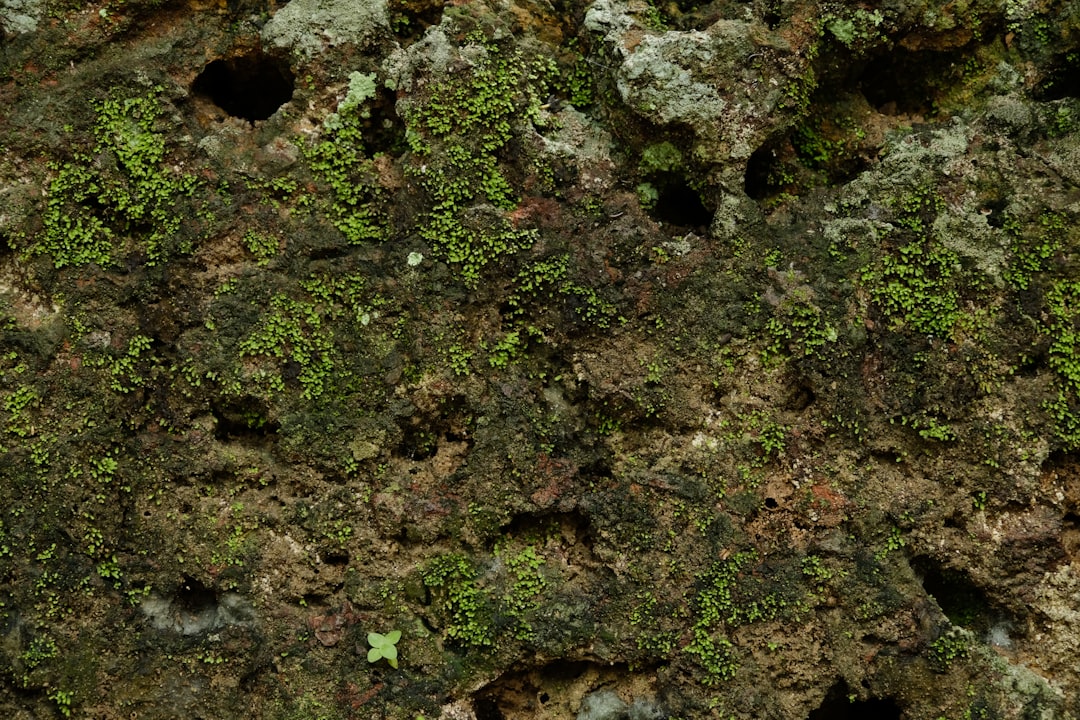
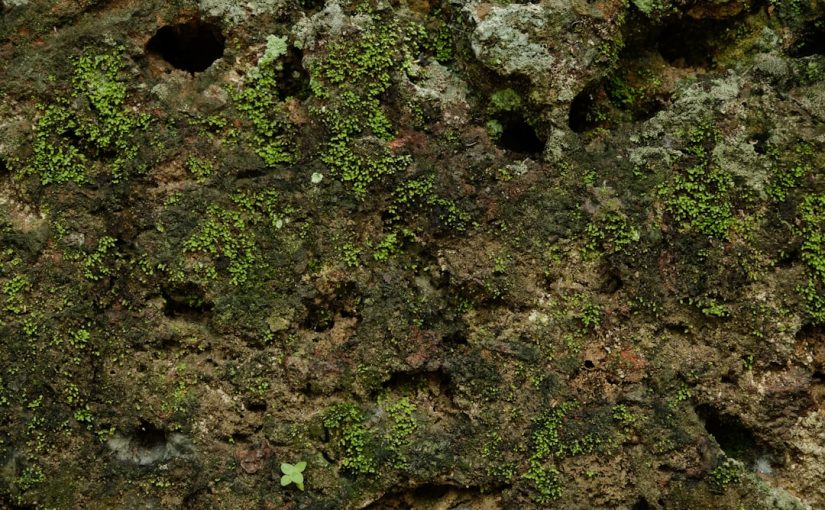
Before embarking on any removal efforts, it is crucial to understand precisely what lichen is and its relationship with trees. Lichen is not a single organism but rather a symbiotic partnership between a fungus and an alga or cyanobacterium. The alga provides food through photosynthesis, while the fungus provides protection and moisture. They are incredibly hardy organisms, thriving in various environments, often appearing as grey-green, yellow, or even orange patches on rocks, fences, and, notably, tree bark.
Contrary to a common misconception, lichen is generally *not* parasitic. It does not penetrate the tree’s bark to draw nutrients or moisture directly from the living tissue. Instead, lichen is an epiphyte, meaning it simply uses the tree’s surface as a substrate for growth, much like a barnacle on a whale. In most cases, lichen poses no direct threat to a healthy tree. It can, in fact, be an indicator of good air quality, as many species are sensitive to pollution.
However, there are circumstances where its presence might be less benign or simply undesirable. On trees that are already stressed, weak, or declining due to other issues (disease, pests, poor growing conditions), a dense covering of lichen might exacerbate existing problems by shading the bark, hindering photosynthesis in the bark (though this is minor), or creating a microclimate that could harbor pests. For purely aesthetic reasons, some prefer to remove it, especially on ornamental trees. Recognizing these nuances helps in deciding whether removal is truly warranted or if it is merely a superficial concern.
Preparing for lichen removal
Once you have assessed your trees and decided that lichen removal is indeed necessary, proper preparation is key to ensuring both your safety and the tree’s well-being. This stage involves gathering the right tools, understanding the best time to act, and taking precautions to prevent damage to the tree’s delicate bark.
First, consider the *timing*. The dormant season, typically late fall or winter in temperate climates, is often the best time to work on deciduous trees, as there are no leaves to obstruct access or interfere with treatments. For evergreens, a dry period is preferable. Avoid days with strong winds or rain immediately after application, as this can reduce the effectiveness of sprays or wash them away.
Gathering your *tools* is the next step. For manual removal, a stiff, non-metallic brush (such as a nylon brush) is ideal. Avoid wire brushes or anything abrasive that could score or wound the bark, making the tree vulnerable to disease and pests. A spray bottle will be essential if you plan to use liquid solutions. Eye protection and gloves are highly recommended to protect yourself from any sprays and debris. If working on higher branches, ensure you have a sturdy ladder and someone to spot you for safety.
Before applying any solution, it is wise to *test a small, inconspicuous area* of the bark first. Wait 24-48 hours to observe any adverse reactions before proceeding with a full application. This cautious approach can prevent unintended damage to your tree, especially if you are experimenting with homemade solutions. Also, clear any fallen leaves or debris from around the base of the tree to prevent runoff from chemical solutions from pooling and affecting roots or surrounding plants.
Effective methods for lichen removal
With preparations complete, you can now proceed with various methods for effective lichen removal. These range from gentle manual techniques to more involved natural spray solutions. Always prioritize the health of your tree and opt for the least invasive method first.
Manual removal is the simplest and often safest method, especially for light infestations or on smaller, accessible branches. Using a stiff nylon brush, gently brush the lichen away from the bark. The key here is *gentleness*; avoid scrubbing aggressively, which can strip away protective bark layers. This method works best when the lichen is dry and brittle. It is labor-intensive for extensive infestations but carries the least risk of chemical exposure to the tree or surrounding environment.
For more widespread or stubborn lichen, several *natural spray solutions* can be highly effective. These solutions work by altering the pH on the bark surface or by directly affecting the lichen’s cellular structure, causing it to die and loosen its grip.
- Diluted white vinegar: Acetic acid in vinegar can break down lichen. A common dilution ratio is one part white vinegar to 10-20 parts water. Apply this solution liberally to the lichen using a spray bottle, ensuring full saturation. Let it sit for 15-30 minutes before gently brushing the loosened lichen away. Rinse the treated area lightly with plain water afterwards, especially if using a stronger concentration, to prevent potential bark irritation.
- Rubbing alcohol solution: Isopropyl alcohol can also be effective. A mixture of one part rubbing alcohol to two parts water can be sprayed onto the lichen. Allow it to sit for about 10-15 minutes before gently brushing. As with vinegar, a light rinse might be beneficial.
- Baking soda solution: A milder option, baking soda (sodium bicarbonate) creates an alkaline environment that lichen dislikes. Dissolve 1-2 tablespoons of baking soda in a gallon of water and spray onto the affected areas. This may require multiple applications or slightly more vigorous brushing after it has dried.
Here is a comparison of these natural methods:
| Method | Key Ingredient | Dilution Ratio (Example) | Application Notes | Pros | Cons |
|---|---|---|---|---|---|
| Diluted White Vinegar | Acetic Acid | 1 part vinegar : 10-20 parts water | Spray liberally, let sit (15-30 min), brush gently, rinse. | Effective, readily available, natural. | Can be acidic, may require rinsing. |
| Rubbing Alcohol Solution | Isopropyl Alcohol | 1 part alcohol : 2 parts water | Spray, let sit (10-15 min), brush gently, rinse. | Fast-acting, good for small areas. | Can be strong, needs proper ventilation. |
| Baking Soda Solution | Sodium Bicarbonate | 1-2 tbsp per gallon of water | Spray, allow to dry, gentle brush; may need repeat. | Very gentle, low risk to tree. | Less potent, might require more effort/applications. |
While commercial lichenicides exist, they often contain stronger chemicals and can pose greater risks to the environment and non-target organisms. Always read and follow product labels meticulously if you choose this route, and consider consulting with a certified arborist.
Post-removal care and prevention
After successfully removing lichen from your trees, the process is not quite finished. Post-removal care is essential to ensure the tree recovers well and to minimize the chances of lichen returning. The overarching principle here is promoting the overall health and vitality of your trees.
Firstly, *monitor the treated areas* for a few weeks. If you used any solutions, even natural ones, a light rinse with plain water a day or two after application can help wash away any lingering residue that might irritate the bark. Observe the bark for any signs of discoloration, peeling, or other distress, though this is rare with proper dilution and gentle application. If you notice any issues, cease further treatment and consult a tree care professional.
The most effective long-term strategy for preventing lichen recurrence is to maintain the *overall health of your trees*. Healthy trees with vigorous growth are better equipped to naturally shed or resist excessive lichen colonization. This involves several practices:
- Proper watering: Ensure your trees receive adequate moisture, especially during dry spells.
- Appropriate fertilization: Provide nutrients based on soil tests, avoiding over-fertilization, which can encourage weak, leggy growth.
- Pruning for air circulation: Selective pruning to thin out dense canopies can significantly improve air circulation around the trunk and branches. Lichen thrives in damp, still conditions, so increasing airflow helps dry out the bark more quickly. This also allows more sunlight to reach the bark, further discouraging lichen growth.
- Addressing underlying stress: If the tree was heavily laden with lichen due to existing stress or decline, identifying and rectifying that underlying issue (e.g., disease, pest infestation, soil compaction) is paramount. A healthy tree’s natural defenses are its best protection.
Regular inspection of your trees, perhaps quarterly, allows you to catch any signs of lichen returning early, at which point minor re-treatment can be done with minimal effort. By integrating these post-removal and preventative measures, you contribute to the long-term health and aesthetic appeal of your arboreal investments.
Addressing lichen on your trees, while often not a critical health imperative, can significantly enhance their appearance and your peace of mind. We have explored what lichen is, clarifying its largely harmless nature as an epiphyte, and understood when its removal might be considered beneficial. We then moved through the essential preparations, emphasizing safety, appropriate timing, and the importance of testing any solutions. The article detailed various effective removal methods, from gentle manual brushing to the application of diluted natural solutions like vinegar, rubbing alcohol, and baking soda, each offering a balanced approach to intervention. Finally, we covered crucial post-removal care and long-term prevention strategies, underscoring that a healthy, well-maintained tree with good air circulation is its own best defense against excessive lichen growth. By following these guidelines, you can ensure your trees remain vibrant and aesthetically pleasing, striking a harmonious balance between natural processes and intentional gardening practices.
Image by: Siborey Sean