Wild cactus can be an unwelcome guest in any lawn. These resilient plants, often associated with arid landscapes, can quickly establish themselves, turning a lush green space into a thorny hazard. Their tough nature, deep root systems, and ability to sprout from even small fragments make them particularly challenging to remove. Whether you are battling a few rogue prickly pears or a widespread infestation of cholla, understanding effective strategies is crucial for reclaiming your outdoor living area. This comprehensive guide will walk you through various methods for eradicating wild cactus from your lawn, covering everything from manual extraction to chemical treatments, and most importantly, preventative measures to ensure they do not return.
Understanding the enemy: identifying common lawn cacti and their growth habits
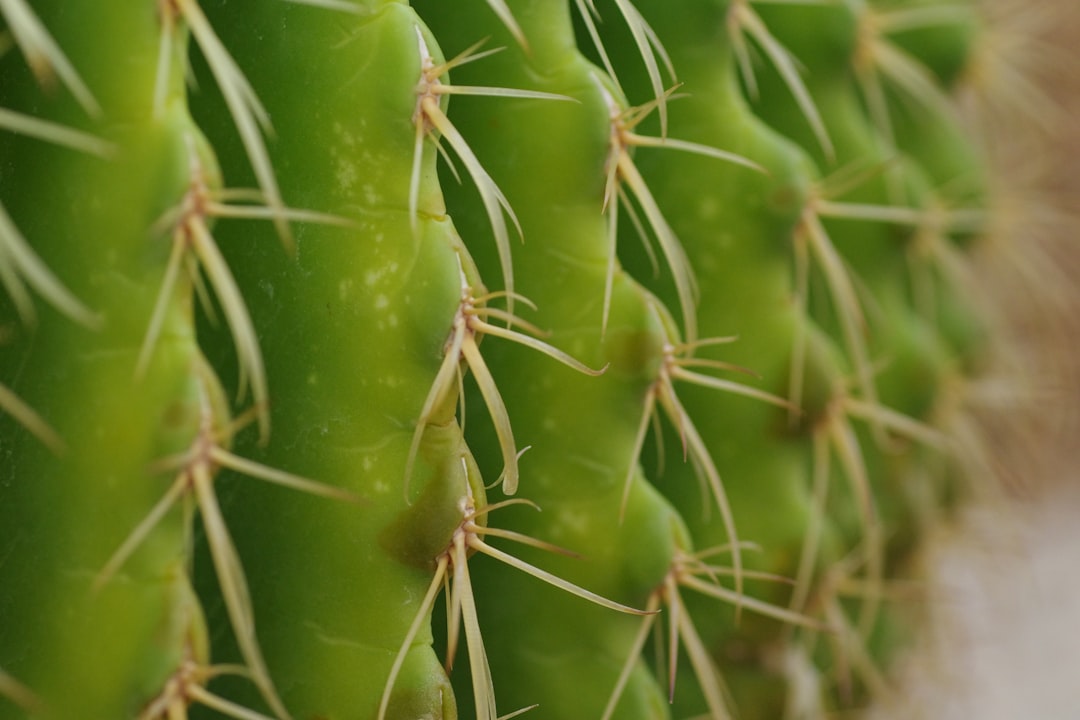
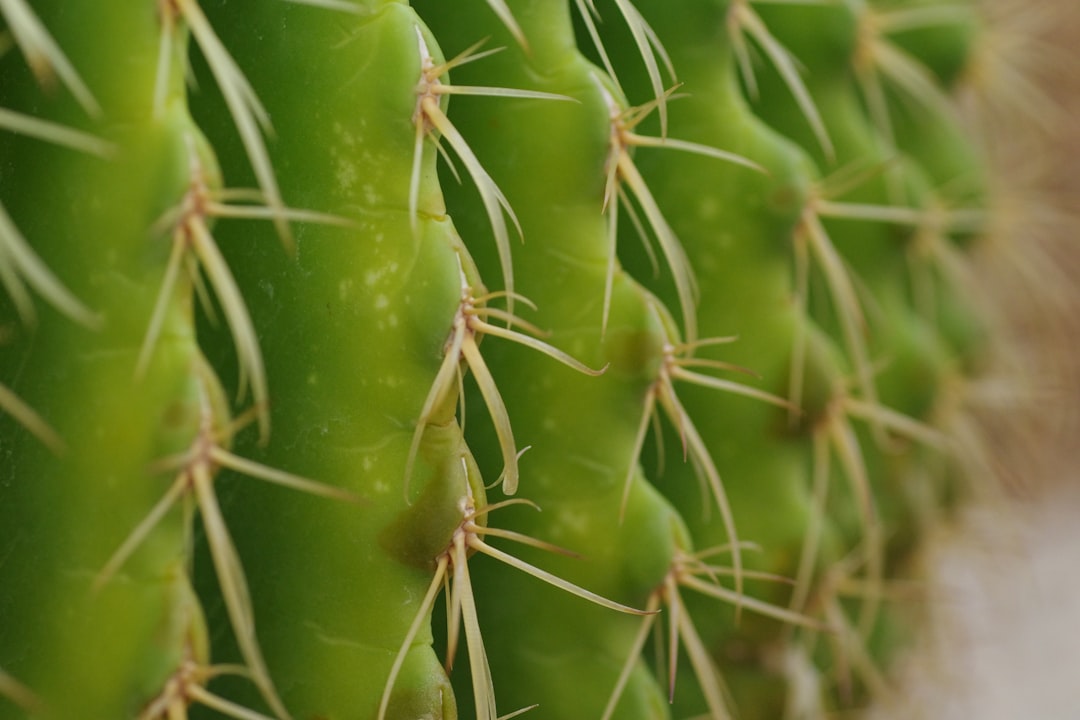
Before you can effectively tackle a cactus problem, it is important to understand what you are up against. Many species of cactus can find their way into lawns, often introduced by birds or other wildlife dropping seeds. Two of the most common culprits are species of Opuntia (prickly pear) and Cylindropuntia (cholla). Prickly pear cacti are recognized by their flattened, paddle-like segments, often bearing barbed spines and glochids, tiny hair-like thorns that are notoriously difficult to remove from skin. Cholla cacti, on the other hand, typically have cylindrical, segmented stems covered in formidable spines, and their segments detach very easily, readily rooting wherever they land. Both types are exceptionally hardy, capable of surviving harsh conditions, and can re-sprout from small pieces left behind, making their complete removal a challenge.
Their growth habits contribute significantly to their persistence. Cacti develop extensive root systems, allowing them to draw moisture and nutrients from deep within the soil, making them highly drought-tolerant. They also produce numerous seeds that can lie dormant in the soil for extended periods, only to germinate when conditions are favorable. Furthermore, their ability to vegetatively propagate from detached pads or segments means that improper removal can inadvertently spread the problem. Knowing these characteristics helps in choosing the most effective and thorough eradication methods.
Manual removal techniques: getting your hands dirty (safely)
For smaller infestations or individual cactus plants, manual removal can be an effective and environmentally friendly approach. However, due to the sharp spines and glochids, safety is paramount. Always wear heavy-duty leather gloves, long sleeves, and protective eyewear. Tools like a sturdy shovel, a pair of long-handled tongs, and a thick plastic bag or bucket are essential.
Begin by carefully digging around the base of the cactus, ensuring you go deep enough to get the entire root system. Cacti can have surprisingly deep taproots, so patience and thoroughness are key. Use the shovel to carefully pry the plant from the ground, trying to keep it as intact as possible to avoid breaking off pads or segments that could re-root. Once the cactus is dislodged, use the tongs to pick it up and place it directly into a thick plastic bag. Double-bagging is recommended to prevent thorns from piercing through. Do not compost removed cactus material, as fragments can survive and continue to grow. Instead, seal the bags tightly and dispose of them with regular household waste. Regularly inspect the area for any new sprouts, as seeds or small root fragments might still emerge.
Chemical control: when herbicides are necessary
When dealing with larger infestations or when manual removal is impractical or too risky, chemical control becomes a viable option. Herbicides specifically formulated for woody plants and tough weeds are generally most effective on cacti. It is crucial to choose the right product and apply it correctly to maximize efficacy and minimize harm to desirable plants.
Systemic herbicides, which are absorbed by the plant and translocated throughout its system, including the roots, are the most effective for cacti. Products containing active ingredients such as triclopyr or glyphosate are often recommended. Triclopyr is particularly effective on broadleaf weeds and woody plants, while glyphosate is a non-selective herbicide, meaning it will kill any plant it contacts, so extreme care must be taken during application.
Refer to the table below for common herbicide types and their general application notes:
| Herbicide active ingredient | Type | Application notes |
|---|---|---|
| Triclopyr | Systemic, selective (primarily broadleaf/woody) | Effective on established cacti. Apply as foliar spray, ensuring good coverage. Less likely to harm grasses. |
| Glyphosate | Systemic, non-selective | Highly effective but will kill all vegetation. Use as a spot treatment or cut-stump application. Avoid drift. |
| 2,4-D | Systemic, selective (primarily broadleaf) | Often found in lawn weed killers, but generally less potent on tough cacti when used alone. Best in combination. |
Application should ideally occur when the cactus is actively growing, as this ensures better absorption of the herbicide. For foliar sprays, ensure the entire plant is thoroughly wetted. For particularly large or tough cacti, a “cut-stump” method can be used: cut the cactus off near the ground and immediately apply a concentrated herbicide solution to the freshly cut surface. Always read and strictly follow the manufacturer’s instructions for mixing ratios, application rates, and safety precautions. Wear appropriate personal protective equipment, including gloves, long sleeves, and eye protection, and avoid spraying on windy days to prevent drift onto desirable plants.
Preventative measures and long-term management
Once you have successfully removed wild cactus from your lawn, the next critical step is to implement preventative measures to ensure they do not return. A healthy, dense lawn is your best defense against weed invasion, including cacti. Robust turf naturally outcompetes unwanted plants for light, water, and nutrients.
Regular lawn maintenance practices such as proper watering, appropriate fertilization, and mowing at the correct height (typically 2-3 inches for most turf grasses) will encourage a strong, thick lawn. Overseeding bare or thin spots can also help fill in gaps where cactus seeds might otherwise germinate. Beyond the lawn itself, consider the surrounding landscape. If your property borders an area with established wild cacti, creating a buffer zone or using landscape fabric and mulch in adjacent planting beds can help suppress new growth and prevent seed dispersal into your lawn. Regularly inspecting your lawn, especially in spring and early summer, allows for early detection of any new cactus sprouts. Catching them when they are small makes manual removal much easier and prevents them from establishing deep roots or producing seeds. By integrating these preventative strategies, you can maintain a beautiful, thorn-free lawn for years to come.
Dealing with wild cactus in your lawn can indeed be a persistent challenge, but it is far from an insurmountable one. We have explored the critical steps, from correctly identifying the common culprits like prickly pear and cholla, understanding their formidable resilience, to implementing targeted removal strategies. Whether you opt for the hands-on approach of careful manual extraction for smaller infestations, emphasizing safety with heavy-duty gloves and proper disposal, or turn to effective chemical controls like systemic herbicides for larger areas, the key lies in thoroughness and consistency. Ultimately, the most sustainable solution involves proactive, long-term management through sound lawn care practices and vigilant monitoring. By combining these methods, you can successfully reclaim your lawn, transforming it from a thorny hazard back into a safe, enjoyable green space for your family and pets. Persistence and an informed approach will ensure a cactus-free environment.
Image by: Naoki Suzuki