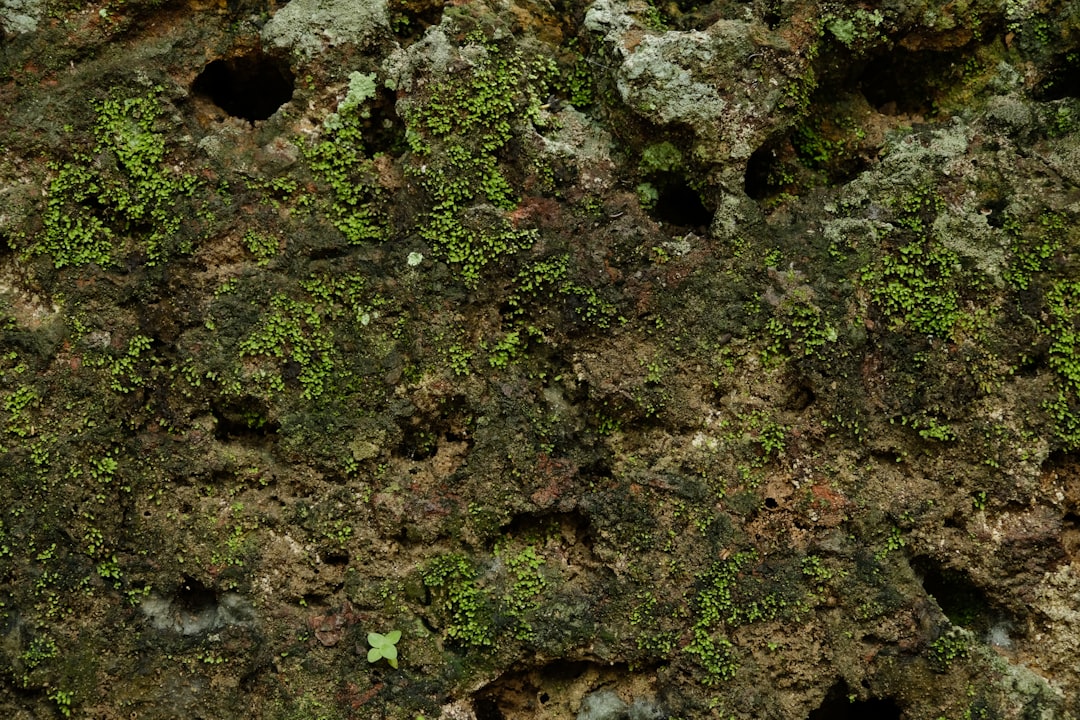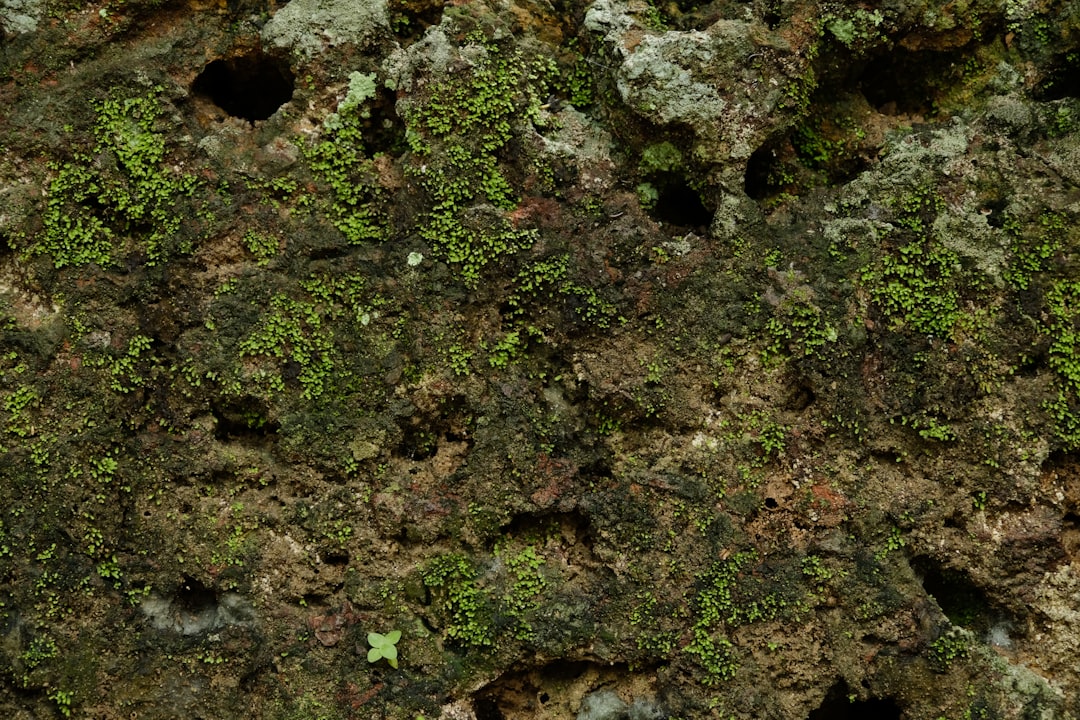
The intricate tapestry of nature often presents us with curious observations that spark our scientific curiosity. One such phenomenon, frequently noticed by hikers, naturalists, and even casual observers, is the seemingly preferential growth of lichen on one particular side of a tree trunk. This isn’t just a random occurrence; it’s a widespread pattern that has long been pondered, even giving rise to old wilderness survival tips. While these tips often simplify a complex ecological interaction, they point to a fundamental truth about how organisms adapt to their environment. We’re about to delve into the fascinating biology of lichen and the precise environmental factors that dictate its asymmetrical distribution on trees, uncovering the scientific rationale behind this common arboreal spectacle.
Understanding lichen: a symbiotic marvel
Before we can understand why lichen might favor one side of a tree, it’s essential to grasp what lichen truly is. Far from being a single organism, lichen represents one of nature’s most remarkable symbiotic relationships. It’s a composite organism, the result of a partnership between a fungus (the mycobiont) and one or more photosynthetic partners, typically green algae or cyanobacteria (the photobiont). The fungus provides the structural framework, protecting the algae or cyanobacteria from harsh elements and absorbing minerals and water from the environment. In return, the photosynthetic partner produces sugars through photosynthesis, supplying food to both itself and the fungus.
This unique partnership allows lichen to colonize environments where neither component could thrive alone. They are incredibly resilient, found from arctic tundras to scorching deserts, yet they share a common vulnerability: their reliance on ambient moisture. Lichen lacks roots to draw water from the soil; instead, it absorbs water directly from rain, dew, mist, and even humidity in the air. This fundamental dependence on consistent moisture, coupled with a need for appropriate light levels for photosynthesis, sets the stage for understanding their directional growth patterns on tree trunks.
The critical role of moisture and shade
The primary driver behind lichen’s preferential growth on one side of a tree is the availability and retention of moisture, heavily influenced by exposure to sunlight. Lichen, being poikilohydric, cannot regulate its internal water content and is highly susceptible to desiccation. Intense, direct sunlight causes rapid evaporation of moisture from the lichen’s thallus (body), which can be detrimental to its metabolic processes and overall survival. While some species are more tolerant of sun, many common tree-dwelling lichens prefer environments where moisture is more consistently present and evaporation is reduced.
The side of a tree that receives less direct sunlight throughout the day tends to remain cooler and experience lower rates of evaporation. This shaded, cooler surface provides a microclimate where moisture from rain, dew, or humidity lingers for longer periods. Consequently, this consistently damp environment creates ideal conditions for lichen to absorb water, conduct photosynthesis, and grow without the stress of constant drying out. This fundamental requirement for persistent hydration often dictates the observed unilateral growth, transforming tree trunks into living examples of environmental adaptation.
Directional sun exposure and tree orientation
The earth’s rotation and its tilt on its axis mean that the sun’s path across the sky is predictable. In the Northern Hemisphere, the sun travels across the southern sky, meaning the south-facing side of a tree receives the most direct and intense sunlight. Conversely, the north-facing side is typically the most shaded, cooler, and retains moisture for extended durations. This stark difference in sun exposure and moisture retention creates distinct microclimates on opposing sides of a tree trunk.
For this reason, it is often observed that lichen proliferates more abundantly on the north-facing side of trees in the Northern Hemisphere. This consistent pattern has historically been used as a crude, albeit generally reliable, compass by those navigating forests. In the Southern Hemisphere, the pattern reverses; the sun tracks across the northern sky, making the south side shadier and more favorable for lichen growth. This directional growth isn’t just anecdotal; it’s a clear demonstration of how a tree’s orientation relative to the sun profoundly impacts the localized environmental conditions, directly influencing where moisture-dependent organisms like lichen can thrive.
| Tree Side (Northern Hemisphere) | Sunlight Exposure | Moisture Retention | Lichen Growth Tendency |
|---|---|---|---|
| North | Low/Indirect | High | High |
| South | High/Direct | Low | Low |
| East | Moderate (morning sun) | Moderate | Moderate |
| West | Moderate (afternoon sun) | Moderate/Low | Moderate/Low |
Beyond the compass: local variations and microclimates
While the general principle of sun exposure dictating lichen growth is sound, nature is rarely absolute. The unilateral growth of lichen, particularly on the north side in the Northern Hemisphere, is a common pattern, but it’s not an infallible rule. Several local factors can modify these patterns, creating unique microclimates that influence where lichen chooses to grow.
For instance, a dense forest canopy can significantly reduce direct sunlight reaching any side of a tree, leading to more uniform moisture levels and potentially more even lichen growth around the trunk. Prevailing winds can also play a role; a constant moist wind from a particular direction might favor lichen growth on the side it strikes most frequently, regardless of sun orientation. Topography, such as a tree on a north-facing slope versus a south-facing slope, can also alter moisture availability. Proximity to water sources like rivers or lakes increases ambient humidity, potentially fostering lichen growth on multiple sides. Even the lean of a tree or the presence of branches can create specific shaded, moist areas. These variations highlight that while directional sun exposure is a primary driver, lichen’s distribution is ultimately a complex interplay of multiple environmental factors at a very localized scale.
The fascinating phenomenon of lichen growing predominantly on one side of a tree is a captivating testament to nature’s intricate balance and the remarkable adaptability of life. We’ve explored how lichen, a unique symbiotic organism composed of a fungus and an alga or cyanobacterium, is fundamentally dependent on consistent moisture for its survival. This critical need for hydration, combined with the often detrimental effects of intense direct sunlight, drives its preference for cooler, shadier environments. The predictable path of the sun creates distinct microclimates on different sides of a tree, leading to the well-known pattern of more abundant growth on the north side in the Northern Hemisphere and the south side in the Southern Hemisphere. While this offers a general guideline, we’ve also seen that local factors like forest density, wind patterns, and topography can introduce variations. Ultimately, the unilateral growth of lichen on tree trunks serves as a subtle yet powerful reminder of how environmental conditions shape biological distribution, providing a living, breathing indicator of the complex world around us.
Image by: Nithin Joseph