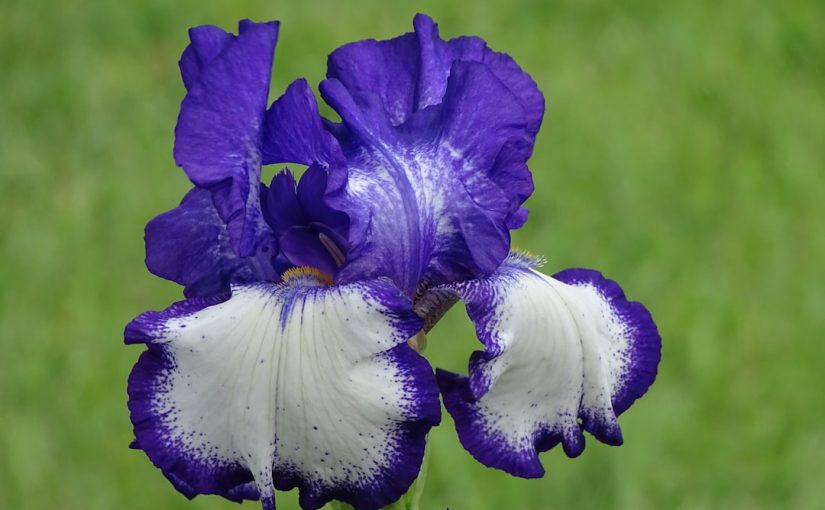
While often celebrated for their stunning blooms and perceived resilience, iris plants, despite a common misconception, are not entirely immune to the appetites of the animal kingdom. Gardeners frequently assume their irises are safe, especially given their reputation as “deer-resistant.” However, this label only tells part of the story. Various creatures, from tiny burrowing rodents to larger grazing animals and even specific insect pests, can and do cause significant damage to these beautiful perennials. Understanding which animals pose a threat, the specific parts of the plant they target, and the nature of the damage they inflict is crucial for protecting your iris collection. This article will delve into the diverse array of animals that consume iris plants, shedding light on the often-surprising culprits and offering insights into safeguarding your garden.
The ‘deer-resistant’ myth and reality for irises
The popular belief that iris plants are universally deer-resistant is largely accurate for most deer species. This resistance stems from several factors, primarily the presence of compounds like calcium oxalate crystals and certain glycosides throughout the plant, particularly concentrated in the rhizomes. These substances give irises an unpleasant, bitter taste and can cause irritation or mild toxicity if ingested in large quantities, making them generally unpalatable to deer. When deer browse, they typically opt for more appealing and safer food sources available in the environment. However, “deer-resistant” does not translate to “animal-proof.” This distinction is vital for gardeners, as many other animals possess different digestive systems or a higher tolerance for these compounds, or they may simply be less discerning when preferred food sources are scarce. Therefore, while you might not find deer munching on your iris foliage, a host of other creatures could still be causing havoc beneath the soil or on the surface.
Underground threats: Rodents that feast on iris rhizomes
Perhaps the most significant and often hidden threat to iris plants comes from subterranean rodents. These stealthy pests primarily target the fleshy rhizomes, which are the plant’s energy storage organs, located just beneath or on the soil surface. Among the most destructive are voles and gophers. Voles, small mouse-like rodents, create shallow tunnels and can methodically gnaw their way through entire rows of iris rhizomes, often hollowing them out completely. The damage is frequently discovered only when the foliage begins to wilt and die back inexplicably, revealing severed roots and chewed rhizomes. Gophers, larger burrowing rodents, are even more devastating. They create extensive tunnel systems and pull entire iris plants, including their rhizomes, into their burrows to consume. The presence of fresh soil mounds and disappearing plants are tell-tale signs of gopher activity. Other rodents like mice and rats can also feed on iris rhizomes, especially during harsh winters when other food is scarce. They might also nibble on young shoots or newly planted rhizomes. While less common, squirrels occasionally dig up and sample freshly planted iris rhizomes, though they generally prefer nuts and seeds.
Surface nibblers and internal destroyers: Other animal and insect pests
Beyond the underground menace, other animals and specific insects can also cause significant damage to iris plants. Rabbits, despite irises being labeled deer-resistant, are less deterred than deer. While they typically prefer other vegetation, young iris shoots, especially in early spring when tender growth is abundant, can be an attractive snack for a hungry rabbit. They usually nibble the foliage down to the ground, potentially stunting the plant’s growth. Larger domesticated animals such as cattle, horses, and goats, if allowed access to iris beds, can and will graze on the foliage. Although irises are toxic to varying degrees for livestock, with symptoms ranging from mild gastrointestinal upset to more severe issues depending on the amount consumed, their indiscriminate grazing can quickly defoliate and destroy a garden. In the realm of insect pests, the iris borer (Macronoctua onusta) is the most notorious “eater” of irises. These moth larvae bore into the leaves, tunnel down into the stems, and ultimately burrow into the rhizomes, hollowing them out and making them susceptible to secondary bacterial soft rot. While not an animal in the traditional sense of grazing, the borer effectively consumes the plant tissue from the inside out, causing widespread destruction.
Protecting your iris plants from hungry intruders
Safeguarding your beloved iris plants from the myriad of creatures that find them palatable requires a multi-faceted approach. For subterranean rodents, physical barriers are often the most effective. Installing wire mesh cages (hardware cloth with small openings) around newly planted rhizomes can prevent voles and gophers from accessing them. For established beds, trapping can be an effective way to control populations. Reducing ground cover and keeping the area around irises clear can also make the habitat less appealing for voles. To deter rabbits, low fencing made of chicken wire or hardware cloth, at least two feet high and securely anchored, can be a deterrent. Repellents, both commercial and homemade (e.g., strong-smelling spices, garlic sprays), can offer temporary relief, but their effectiveness varies and requires consistent reapplication. For livestock, robust fencing is the only reliable solution to prevent grazing. Addressing iris borers requires a different strategy:
- Sanitation: Removing and destroying old iris leaves in late fall or early spring can eliminate overwintering borer eggs.
- Monitoring: Inspect leaves in spring for “notches” or frass, indicating borer entry.
- Manual removal: Squeeze infested leaves to crush larvae, or carefully cut out affected sections.
- Insecticides: In severe cases, systemic insecticides applied early in the season can target young borers.
By understanding the specific threats and implementing appropriate preventative measures, you can significantly reduce damage and ensure your iris garden remains vibrant and thriving.
Common iris predators and prevention summary
| Animal/Pest | Primary Target | Typical Damage | Prevention Strategies |
|---|---|---|---|
| Voles & Gophers | Rhizomes, roots | Extensive tunneling, root severance, hollowing out rhizomes | Wire mesh cages (hardware cloth), trapping, reducing ground cover |
| Rabbits | Young shoots, foliage | Nibbling leaves and stems, defoliation of new growth | Low fencing, repellents, companion planting |
| Mice & Rats | Rhizomes, seeds | Gnawing on rhizomes, consuming seeds | Trapping, sanitation, eliminating hiding spots |
| Livestock (Cattle, Horses, Goats) | Foliage, flowers | Grazing, trampling, complete defoliation | Secure, robust fencing |
| Iris Borer (Insect) | Leaves, stems, rhizomes | Internal tunneling, rhizome rot, plant death | Fall/spring cleanup, crushing larvae, systemic insecticides |
Conclusion
In summary, while irises are widely recognized for their “deer-resistant” qualities, this label offers a false sense of security against the full spectrum of hungry wildlife. Our exploration has revealed that a diverse array of animals and even specific insect pests readily consume various parts of iris plants. Subterranean rodents like voles and gophers are particularly destructive, voraciously targeting the vital rhizomes from below ground. Above the surface, rabbits may nibble on tender young shoots, while large grazing animals such as cattle or horses can devastate an iris bed if given unrestricted access. Furthermore, the iris borer stands out as a significant internal destroyer, tunneling through the plant from leaves to rhizomes. The final conclusion for iris enthusiasts is clear: vigilance and proactive protective measures are indispensable. By understanding the specific threats each animal poses and implementing targeted strategies—be it physical barriers, diligent sanitation, or appropriate pest control—gardeners can effectively safeguard their beautiful iris collections from becoming an unwitting feast for the local fauna.
Image by: Steven Brown