Ditch erosion is a common yet often underestimated problem that can lead to significant damage if left unaddressed. From agricultural fields to residential properties and roadside verges, eroded ditches undermine stability, impact water quality, and compromise landscape integrity. This phenomenon occurs when the force of moving water carves away soil, creating rills, gullies, and ultimately, deeper channels that can disrupt drainage patterns and lead to property degradation. Understanding the root causes of ditch erosion and implementing effective repair strategies is crucial for maintaining the health and functionality of your land. This article will guide you through practical steps and sustainable solutions to not only fix existing ditch erosion but also to prevent its recurrence, safeguarding your landscape for the long term.
Understanding ditch erosion: Causes and early signs
Ditch erosion is primarily a consequence of water’s relentless force acting upon unstable soil. The main culprits often include heavy rainfall and rapid snowmelt, which generate high volumes of runoff. When this water flows through a channel lacking proper stabilization, it picks up soil particles, gradually widening and deepening the ditch. Factors exacerbating this include steep slopes, which increase water velocity; fine, easily detachable soil types like sandy loams or silts; and, crucially, a lack of protective vegetation. Bare soil offers no resistance, allowing water to scour the surface unimpeded. Any disruption to the natural drainage path or the introduction of concentrated flow can also initiate the process.
Identifying ditch erosion early is key to preventing more extensive damage. Small signs often precede major issues. Look for:
- Rills and gullies: Shallow, narrow channels that run parallel to the ditch, indicating water is starting to carve paths. Gullies are deeper, more permanent features.
- Exposed roots: Plant roots along the ditch bank becoming visible as soil is washed away.
- Undermined banks: Sections of the ditch bank that appear to be caving in or are undercut by water flow.
- Sediment deposition: Accumulation of soil downstream, indicating material is being carried away from an upstream source.
- Turbid water: Water in the ditch appearing cloudy or muddy after rainfall, signaling active soil detachment.
Addressing these symptoms promptly can save significant time, effort, and resources compared to tackling a fully eroded ditch.
Essential planning and preparation
Before undertaking any repair work, thorough planning and preparation are paramount. A systematic approach ensures that the chosen solutions are appropriate for the specific conditions of your ditch and provides the best chance for long-term success. Begin with a comprehensive site assessment.
Site assessment:
- Evaluate the slope: Determine the gradient of the ditch. Steeper slopes require more robust erosion control measures due to higher water velocity.
- Analyze soil type: Identify the soil composition. Sandy or silty soils are more prone to erosion than clay-rich soils, influencing the choice of stabilization materials.
- Estimate water volume and flow: Observe the ditch during and after rainfall. How much water passes through? Is the flow intermittent or continuous? This helps gauge the stress the repair will endure.
- Identify upstream sources: Understand where the water originates. Are there impervious surfaces (pavements, roofs) directing concentrated flow into the ditch? Diversion or dispersion strategies upstream might be necessary.
Gathering tools and materials: Based on your assessment, compile the necessary resources. Common tools include shovels, rakes, wheelbarrows, and perhaps a tamper or compactor for soil stabilization. Materials vary widely depending on the chosen repair method:
| Material Type | Application | Notes |
|---|---|---|
| Erosion control blankets/mats | Temporary soil stabilization, seed protection | Made from straw, coir, or synthetic fibers; biodegradable options available |
| Grass seed/native plant plugs | Vegetative stabilization | Choose drought-resistant, deep-rooted species appropriate for your climate |
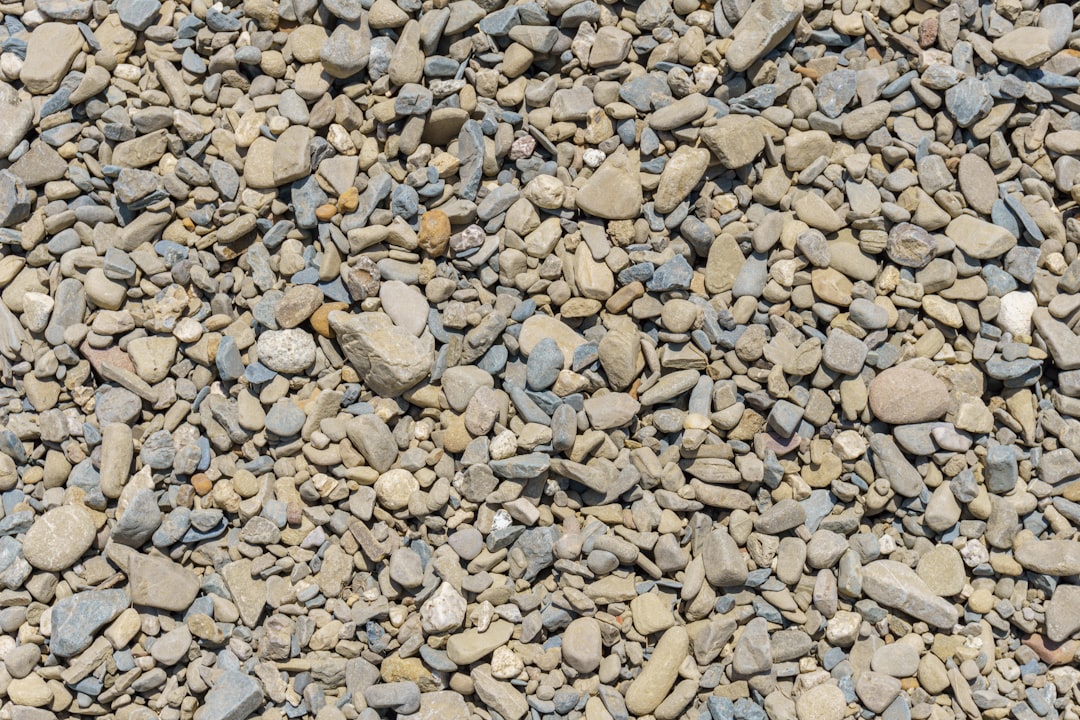
| Riprap (rocks/stones) | Armoring high-flow areas, creating check dams | Angular, interlocking stones are most effective |
| Geotextile fabric | Underlayer for riprap, filtration, soil separation | Prevents finer soil particles from washing through rock layers |
| Gabion baskets | Large-scale structural support, retaining walls | Wire cages filled with rocks, offer flexibility and permeability |
Safety considerations: Always prioritize safety. Wear appropriate personal protective equipment (gloves, eye protection, sturdy footwear). Be aware of unstable ditch banks, especially after rain. If using heavy machinery, ensure trained operators and proper safety protocols are in place.
Effective strategies for repairing eroded ditches
Repairing an eroded ditch involves a combination of reshaping the channel and armoring it against future water flow. The most effective solutions often blend vegetative and structural approaches.
Regrading and reshaping: The first step is typically to reshape the ditch to a stable, parabolic or trapezoidal cross-section. This involves filling in gullies with compacted soil, ensuring the sides have a gentle slope (typically 2:1 or 3:1 horizontal to vertical ratio) that prevents slumping and allows for easier establishment of vegetation. The bottom of the ditch should be wide enough to accommodate typical water flow without excessive velocity. Compact the newly added soil thoroughly to prevent immediate washouts.
Vegetation solutions: The power of plants cannot be overstated in erosion control. Once regraded, the ditch should be seeded or planted immediately.
- Grasses: Fast-growing, dense-rooted grasses (e.g., fescue, rye, switchgrass) provide immediate soil stabilization.
- Native plants: Deep-rooted native grasses, sedges, and wildflowers offer superior long-term stability and ecological benefits. They are adapted to local conditions and require less maintenance.
- Erosion control blankets/mats: For steeper slopes or areas needing rapid protection, biodegradable erosion control blankets (made from straw, coir, or wood fiber) can be laid over newly seeded areas. These mats hold soil and seeds in place, reduce direct impact from rainfall, and retain moisture, promoting germination.
For optimal results, ensure seeds are firmly in contact with the soil and watered consistently until established.
Structural solutions: In areas with high water velocity, steep gradients, or insufficient space for extensive vegetation, structural elements are necessary.
- Rock check dams: Constructed across the ditch, these small barriers of rocks slow down water flow, trap sediment, and reduce the erosive power of water. They should have a low center section to allow water to flow over evenly and be spaced appropriately along the ditch’s length.
- Riprap: A layer of angular, interlocking stones used to line the ditch bottom and sides in sections prone to high velocity. A geotextile fabric should be placed underneath riprap to prevent soil from washing out through the stones.
- Gabions: Wire mesh cages filled with rocks, providing a flexible, permeable, and heavy-duty solution for very steep banks or significant water flow. They act as retaining walls or large check dams.
Biotechnical engineering: This advanced approach combines living plant materials with inert structural elements. Examples include live fascines (bundles of dormant cuttings laid horizontally in trenches), brush layers, or vegetated geogrids. These methods offer superior long-term stability as the plants grow, their roots intertwining with the soil and structural elements, creating a living, self-repairing system.
Long-term maintenance and prevention
Fixing ditch erosion is not a one-time task; it requires ongoing vigilance and proactive measures to ensure its stability and functionality. Long-term maintenance is crucial for sustaining the integrity of your repairs and preventing future erosion issues. Regularly inspecting the ditch, particularly after heavy rainfall events, is the cornerstone of effective prevention. Look for any signs of new rills, exposed soil, or areas where vegetation is struggling. Promptly addressing these minor issues can prevent them from escalating into significant erosion problems that require extensive repair.
Maintaining healthy vegetation within and along the ditch banks is also paramount. This involves periodic weeding to remove invasive species that might outcompete beneficial erosion-controlling plants, as well as occasional reseeding or replanting in sparse areas. Ensure that the chosen plant species are thriving and providing adequate ground cover. Furthermore, managing upstream runoff is a critical preventive measure. Consider installing diversion swales or berms upstream of the ditch to spread out concentrated water flow, reducing its velocity and erosive power before it even reaches the ditch. Implementing permeable paving or rain gardens in adjacent areas can also help reduce the overall volume of runoff directed into the ditch, contributing to a more stable and resilient drainage system.
Addressing ditch erosion effectively requires a multi-faceted approach, moving from initial assessment to strategic repair and, crucially, sustained maintenance. We’ve explored the telltale signs of erosion, emphasizing the importance of early detection, and delved into vital planning steps, including site evaluation and material selection. The core of our discussion focused on practical repair strategies, highlighting the dual power of reshaping the ditch and implementing both vegetative and structural solutions like erosion control blankets, riprap, and check dams. Ultimately, the long-term success of any repair hinges on consistent vigilance and proactive maintenance, ensuring that the ditch remains stable and functional. By understanding the causes, choosing appropriate remedies, and committing to ongoing care, you can effectively fix ditch erosion, protect your property, and contribute to healthier land management practices, transforming potential liabilities into resilient landscape features.