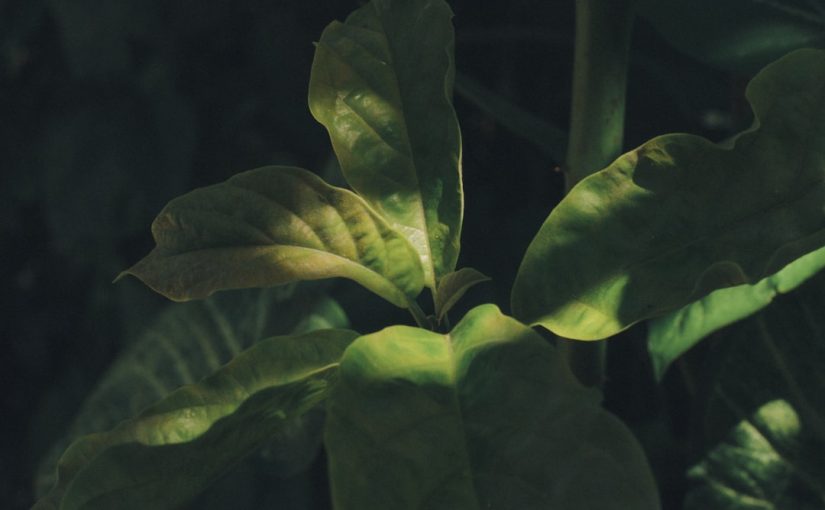
Often enjoyed for its sweet, refreshing taste, the cantaloupe is a beloved summer fruit. While many of us are familiar with the finished product, few take the time to truly visualize the journey from seed to fruit. Understanding what a cantaloupe plant looks like throughout its various stages of growth can be a fascinating endeavor for home gardeners, curious consumers, or anyone interested in botany. From the moment the tiny seed sprouts, revealing its first delicate leaves, to the sprawling vine adorned with vibrant flowers and eventually the iconic netted fruit, the cantaloupe plant undergoes remarkable transformations. This article will delve into the intricate visual characteristics of this cucurbit, exploring its appearance from its nascent seedling form to a mature, fruit-bearing specimen.
The seedling stage and early growth
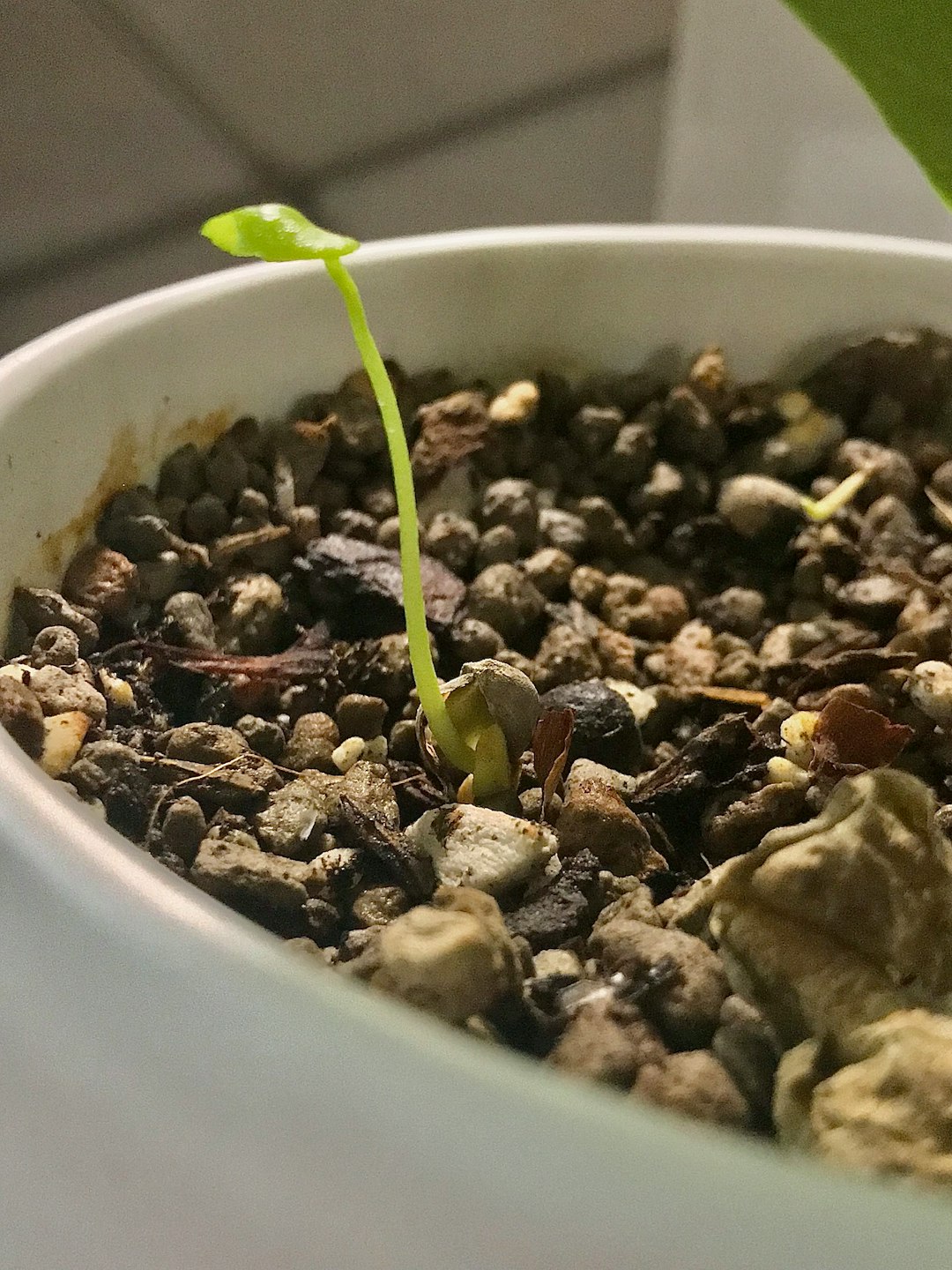
The journey of a cantaloupe plant begins with a small seed, typically oval and flattened. Once planted and given the right conditions of warmth and moisture, the seed germinates, pushing a small root downwards and then sending up its first visible structures above the soil line. These initial leaves are known as cotyledons. Cantaloupe seedlings typically emerge with two bright green, oval-shaped cotyledons, which act as initial food storage and photosynthesis organs while the plant establishes itself. These are distinct from the plant’s “true leaves.”
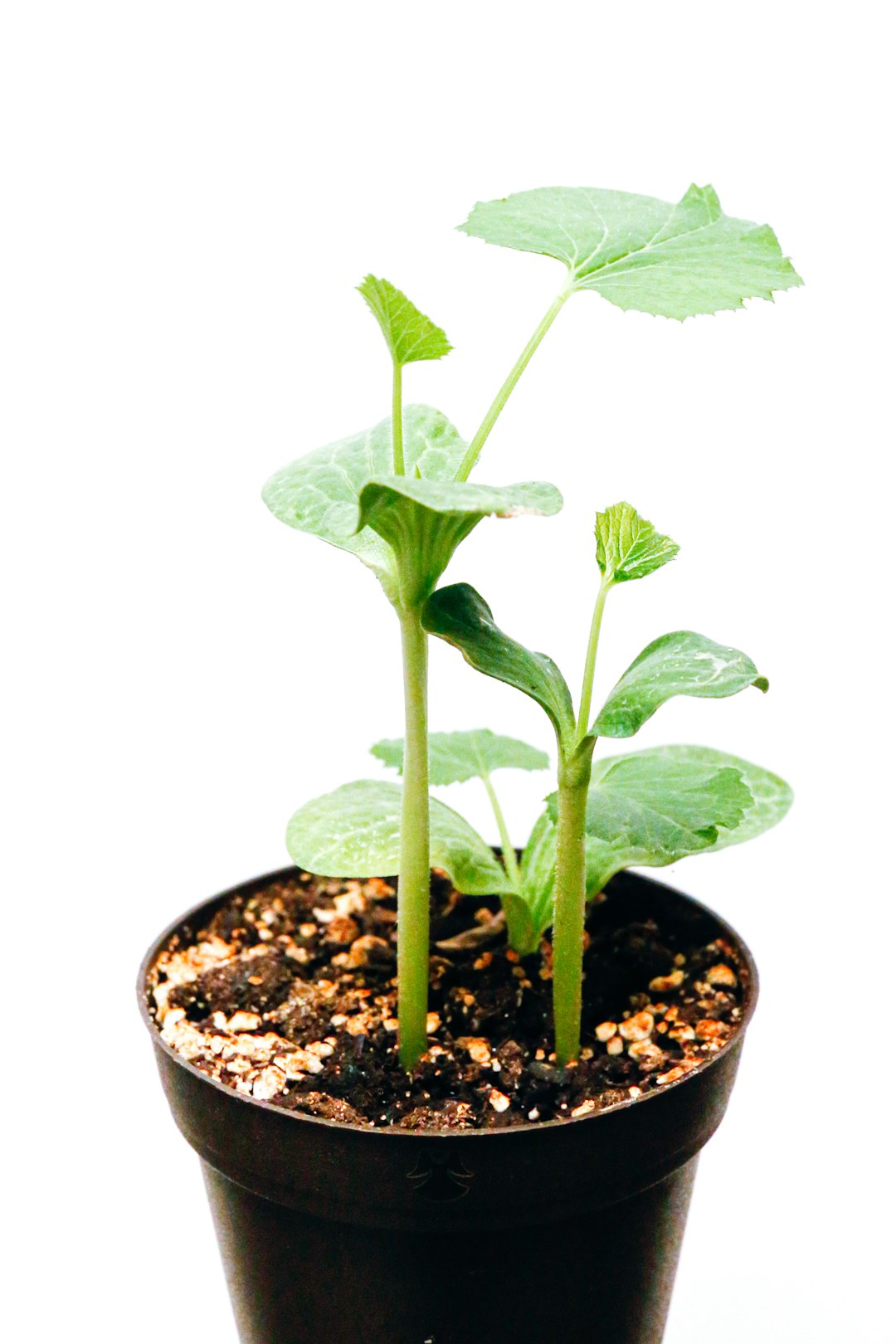
Within a week or two of germination, the first set of true leaves will begin to emerge between the cotyledons. These true leaves are recognizably different; they are often smaller at first, but already begin to display the characteristic lobed shape that defines mature cantaloupe foliage. During this early growth phase, the stem is still relatively short and sturdy, supporting the developing leaves. The plant’s energy is focused on establishing a robust root system and producing more true leaves, preparing for its subsequent vigorous vining stage.
Understanding the cantaloupe vine: leaves and stems
As the cantaloupe plant matures past its seedling phase, it rapidly transitions into its characteristic vining habit. The stems, initially compact, begin to lengthen significantly, sprawling across the ground or climbing if provided with support. These vines are typically green, though they can develop a slightly rough or hairy texture. One of the most distinctive features of the cantaloupe vine is the presence of tendrils. These delicate, coiled structures emerge from the stem at leaf axils, acting as grasping mechanisms that help the vine attach to other plants, trellises, or even irregularities on the ground, providing stability as it grows.
The leaves of a cantaloupe plant are broad, palmate, and lobed, meaning they have several distinct divisions or “fingers” radiating from a central point, similar to an open hand. They are typically a medium to dark green color and can grow quite large, sometimes reaching diameters of 6 to 10 inches or more on a mature plant. The leaf surface may feel slightly rough or hairy to the touch. The extensive foliage provides ample surface area for photosynthesis, crucial for fueling the growth of the vine and, eventually, the developing fruits.
Flowers and fruit development
After the vines have established themselves and grown considerably, the cantaloupe plant begins to produce flowers. These are usually bright yellow and trumpet-shaped. Cantaloupe plants typically produce both male and female flowers, often on the same plant (monoecious). The male flowers usually appear first and are more numerous. They are borne on slender stalks. Female flowers, which are fewer in number, are distinguishable by a small, undeveloped fruit (a miniature cantaloupe ovary) visible at the base of the flower, directly behind the petals. Pollination, often carried out by bees, is essential for the female flowers to develop into fruit.
Once a female flower is successfully pollinated, the small ovary at its base begins to swell and grow. Initially, the fruit is small, firm, and green, often with faint striations. As it matures, the cantaloupe fruit gradually expands in size, and its skin begins to develop the characteristic netted texture. The netting, which forms from the cracking and healing of the outer skin, becomes more pronounced and raised as the fruit ripens. The color of the skin beneath the netting also changes, often transitioning from a darker green to a lighter green, yellowish-green, or even tan as it reaches full maturity.
The mature plant and its needs
A fully mature cantaloupe plant is an impressive sight, characterized by its extensive, sprawling vines and abundant foliage, often covering a significant area of garden space. The plant can reach a spread of 6 to 10 feet or more, depending on the variety and growing conditions. The large, lobed leaves form a dense canopy that provides shade for the developing fruits below, protecting them from intense sunlight. At this stage, the plant is typically laden with fruits in various stages of development, from tiny green spheres to large, ripe cantaloupes ready for harvest. The presence of tendrils throughout the vine continues to demonstrate its opportunistic climbing nature, even if allowed to sprawl.
Understanding the visual cues of a mature plant is also key to successful harvesting. A ripe cantaloupe will typically “slip” easily from the vine with a gentle tug, or even detach on its own. The netting on the skin will be well-defined, and the overall color beneath the netting will have lightened considerably. The plant’s vigorous growth and fruit production demand consistent watering, especially during dry periods, and ample nutrients to sustain its energy-intensive processes. The following table provides a quick overview of key visual features at different growth stages:
| Growth Stage | Key Visual Characteristics | Approximate Timeline (from planting) |
|---|---|---|
| Seedling | Two oval cotyledons, then small true leaves with lobed shape. | 1-2 weeks |
| Vining | Long, sprawling stems with tendrils; large, lobed green leaves. | 3-6 weeks |
| Flowering | Bright yellow, trumpet-shaped male and female flowers appear. | 6-8 weeks |
| Fruiting | Small green fruits develop, grow, and netting forms on skin. | 8-12+ weeks |
| Mature Plant | Extensive vines, dense foliage, multiple fruits in various stages. | 12-16+ weeks |
In conclusion, the journey of a cantaloupe plant is a fascinating progression of distinct visual stages, each signaling important developmental milestones. From the humble beginnings of two small cotyledons emerging from the soil, the plant rapidly transforms into a sprawling, tendril-laden vine adorned with large, lobed leaves. These lush green canopies eventually give way to vibrant yellow flowers, the precursors to the fruit we all know and love. The intricate development of the cantaloupe—from the initial fruit set to the final netted skin and characteristic color change—is a testament to the plant’s robust growth cycle. By recognizing these unique features at every stage, gardeners can not only appreciate the beauty of nature but also better understand how to cultivate and care for these delightful melon producers, ensuring a bountiful harvest of sweet, juicy cantaloupes.
Image by: william f. santos