Summer evenings are synonymous with relaxation, warm breezes, and the gentle hum of nature. Yet, for many homeowners, this idyllic scene often comes with an unwelcome guest list: a swarm of insects congregating around outdoor lights. From the fluttering of moths to the persistent buzz of mosquitoes, the attraction of house lights to various bugs can transform a pleasant evening into a constant battle against tiny invaders. Understanding why these creatures are drawn to our artificial illumination is the first step in managing their presence. This article will delve into the fascinating science behind insect phototaxis, explore the specific types of bugs most commonly affected, discuss the broader implications of light pollution, and, most importantly, provide actionable strategies to reclaim your summer nights from these light-loving pests.
The curious case of phototaxis: Why bugs love light
The phenomenon of insects flocking to light sources, scientifically known as phototaxis, is a complex behavior driven by their evolutionary history. For millennia, nocturnal insects navigated using natural light sources: the moon and stars. These celestial bodies provided a constant, distant point of reference, allowing insects to fly in a straight line by maintaining a constant angle to the light. When an artificial light source, like a porch light, is introduced, it creates a similar, but far more intense and localized, beacon. The insect’s ancient navigation system gets confused, causing them to constantly adjust their flight path to maintain that angle, leading to the familiar spiraling motion around the light.
Not all light is equally attractive to all insects. Research indicates that shorter wavelengths, particularly ultraviolet (UV) light and blue light, are the most appealing. Many insects possess photoreceptors that are highly sensitive to these parts of the spectrum, which are crucial for their vision, mating rituals, and foraging. Traditional incandescent and fluorescent bulbs emit significant amounts of UV and blue light, making them irresistible traps. In contrast, longer wavelength light, such as yellow, orange, and red, is much less visible to most insect species, offering a potential avenue for mitigation.
Common nocturnal nuisances: Which bugs are the culprits?
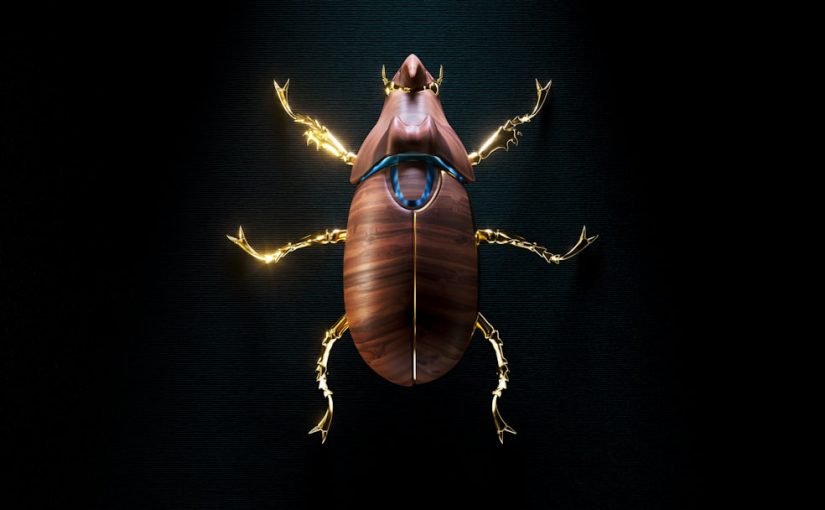
While it might seem like every flying insect is drawn to your lights, certain species are particularly notorious for their phototactic tendencies. Moths, for instance, are perhaps the most iconic light-lovers, with countless species drawn to artificial illumination, disrupting their natural foraging and mating behaviors. Mosquitoes, while primarily attracted to carbon dioxide and body heat, are also drawn to light, especially during dusk and dawn when they are most active. Other frequent visitors include a variety of beetles, such as scarab beetles and June bugs, which often blunder into lights with a distinctive thud.
Furthermore, smaller, more delicate insects like gnats, midges, and caddisflies are major contributors to the swirling clouds around outdoor fixtures. Mayflies, often emerging in large synchronized hatches, are also heavily impacted, disorienting them from their critical mating flights near water sources. Crane flies, with their long, spindly legs, frequently mistake artificial lights for open sky. Understanding which specific pests are bothering you can often inform the most effective deterrent strategies.
| Insect type | Primary attraction | Preferred light spectrum |
|---|---|---|
| Moths | Navigation, foraging | UV, blue, white |
| Mosquitoes | CO2, heat, navigation | UV, blue, white (secondary) |
| Beetles (June bugs) | Navigation, dispersal | UV, blue, green |
| Gnats/Midges | Navigation, aggregation | UV, blue, white |
| Caddisflies | Navigation, mating | UV, blue, white |
Beyond annoyance: The impact of light pollution on insect populations
The constant attraction of artificial lights extends far beyond mere annoyance for homeowners; it has significant ecological implications. This pervasive phenomenon, known as light pollution, disrupts the natural behaviors of nocturnal insects on a vast scale. Insects drawn to lights may become disoriented, unable to forage, mate, or migrate effectively. They become easy prey for predators that lurk around these artificial hotspots, or they may simply die from exhaustion or collision with the light fixture itself. This “moth trap” effect contributes to declining insect populations, which in turn has cascading effects on entire ecosystems.
Nocturnal insects are vital pollinators, contributing to the reproduction of countless plants, including many food crops. They also form the base of the food web for numerous other animals, such as bats, birds, and amphibians. A reduction in insect numbers due to light pollution can therefore lead to declines in these dependent species, disrupting the delicate balance of local biodiversity. Furthermore, the energy consumed by excessive or inefficient lighting contributes to carbon emissions, compounding the environmental impact.
Illuminating solutions: Strategies to keep bugs away from your lights
Fortunately, there are several effective strategies homeowners can employ to reduce the attraction of bugs to their outdoor lights without sacrificing safety or aesthetics. One of the most impactful changes is to *switch your bulbs*. Opt for LED lights with warmer color temperatures, specifically those emitting yellow, amber, or orange light. These “bug lights” emit very little to no UV light and fewer short wavelengths, making them significantly less attractive to most insects. Motion-sensor lights are another excellent solution, ensuring illumination is only present when needed, minimizing the time insects have to gather.
Physical barriers play a crucial role. Ensure all window and door screens are intact and properly sealed to prevent insects from entering your home when they are attracted to indoor lights. Strategically placed curtains or blinds can also help. Consider reducing unnecessary outdoor lighting or directing lights downwards to illuminate only specific areas, rather than broadcasting light broadly. Landscaping choices can also help; remove standing water sources nearby to reduce mosquito breeding grounds, and plant insect-repelling herbs like citronella, basil, or lavender around your patio areas. While bug zappers can eliminate some insects, they often kill beneficial species alongside pests, so their use should be considered carefully.
The summer struggle against insects drawn to house lights is a perennial challenge for many, but it is one rooted in fascinating biological principles. From the ancient navigational instincts of phototaxis to the specific light preferences of various species, understanding *why* bugs flock to our illumination is key to finding effective solutions. We’ve explored the most common culprits, from moths to mosquitoes, and delved into the broader ecological consequences of light pollution, highlighting its impact on biodiversity and ecosystem health. Ultimately, mitigating this issue requires a thoughtful approach to our outdoor lighting choices. By embracing warmer LED light temperatures, utilizing motion sensors, fortifying physical barriers, and adopting mindful landscaping practices, homeowners can significantly reduce the insect presence around their homes. Taking these proactive steps allows us to enjoy our summer evenings more fully while also contributing to a healthier, more balanced environment for our nocturnal neighbors.
Image by: Kamran Abdullayev