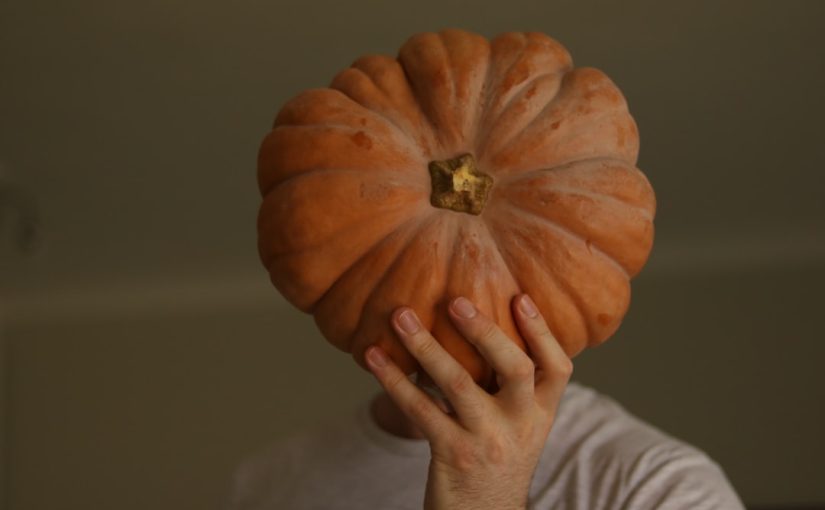
The autumn harvest is a deeply satisfying time, especially when it involves homegrown produce. For many, the sugar pumpkin stands out, promising delicious pies, roasted delights, and seasonal decorations. But whether you’re tending to a sprawling garden patch or selecting the perfect specimen at a local farm stand, a common question arises: how do you truly know when a sugar pumpkin is ripe and ready for picking or purchase? Picking too early can mean a lack of flavor and poor storage, while waiting too long might risk frost damage or spoilage. This guide will walk you through the essential visual, tactile, and timing cues, ensuring you harvest or choose a sugar pumpkin that’s at its peak of sweetness and perfect for all your culinary and decorative needs.
The telling transformation of color
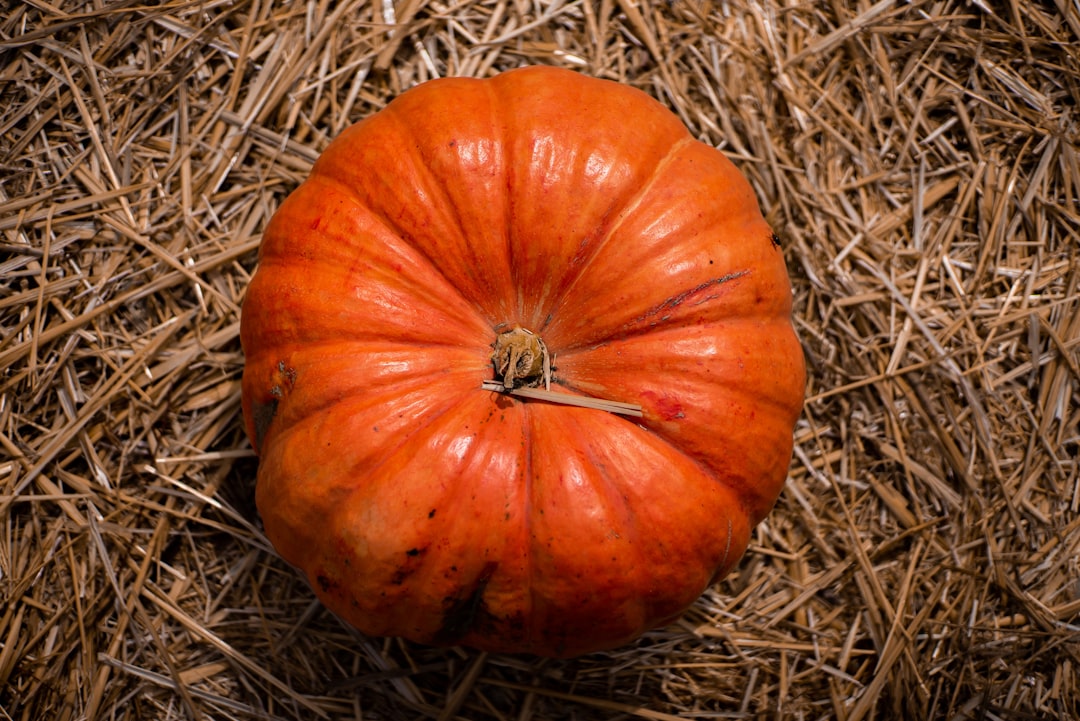
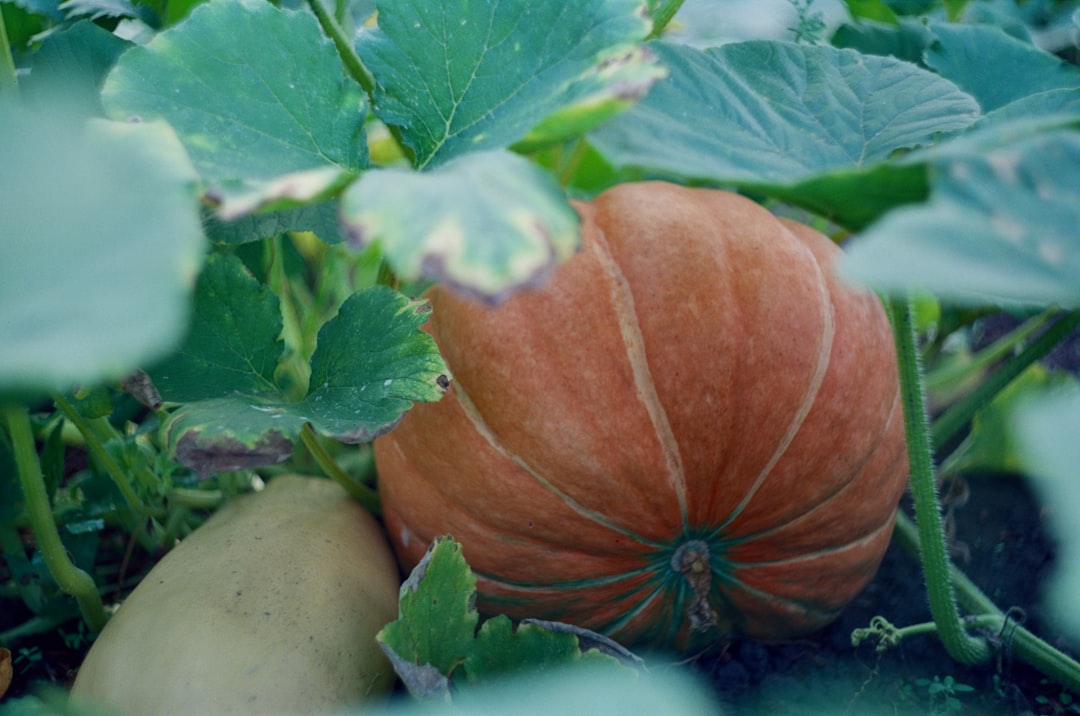
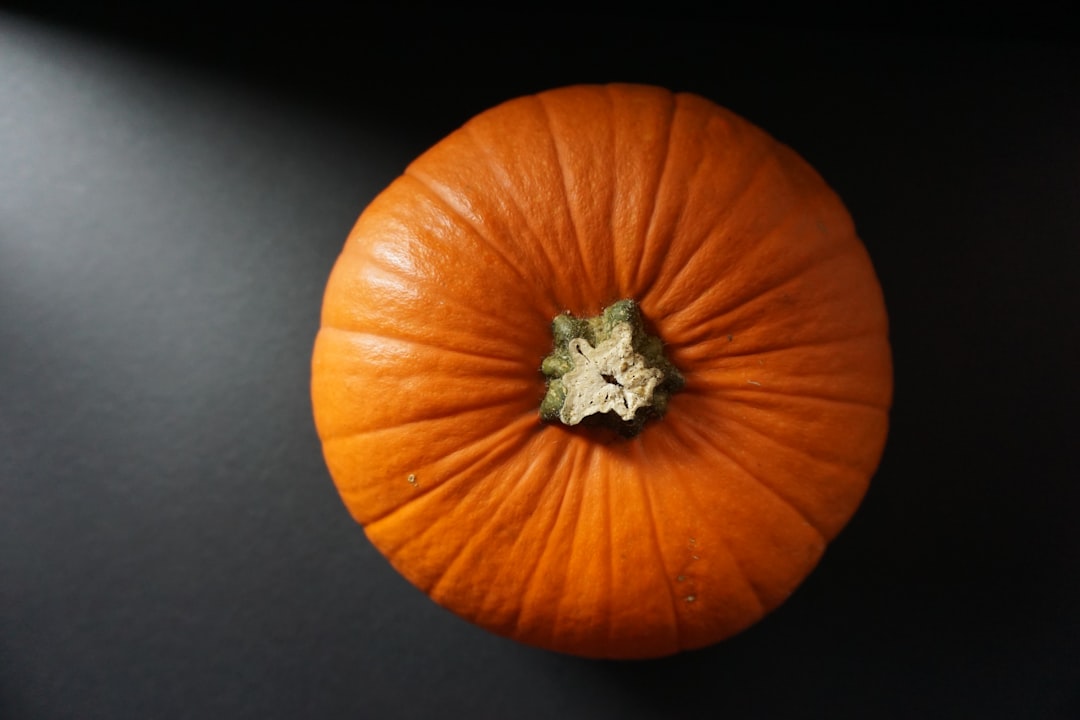
One of the most immediate and reliable indicators of a sugar pumpkin’s ripeness is its color. Unripe pumpkins typically display a significant amount of green, often mixed with pale orange or yellow. As a sugar pumpkin matures, its skin undergoes a remarkable transformation, deepening into a rich, uniform, and vibrant orange. This consistent coloration across the entire surface signals that the pumpkin has fully developed its sugars and is ready for harvest. While some varieties might retain minor green streaking, the overall deep orange hue should be predominant and consistent. Observe the entire pumpkin; any large, persistent green patches usually mean it still needs more time on the vine to fully ripen and concentrate its flavor.
Stem and tendril wisdom: listening to the plant
Beyond the pumpkin itself, the plant around it provides crucial clues. Pay close attention to the stem connecting the pumpkin to the vine and the tendrils nearby. A ripe sugar pumpkin will have a stem that is hard, dry, and woody. It should feel robust and less pliable than a green stem. Furthermore, the small, curly tendrils nearest to the pumpkin will typically have dried up and turned brown, often shriveling entirely. These are clear signs that the vine has completed its job of feeding the fruit and is naturally detaching itself from the pumpkin’s lifecycle. An important note for harvesting: always cut the pumpkin from the vine, leaving a few inches of stem attached. This helps prevent rot and extends the pumpkin’s storage life significantly.
The trusty thump test and skin texture
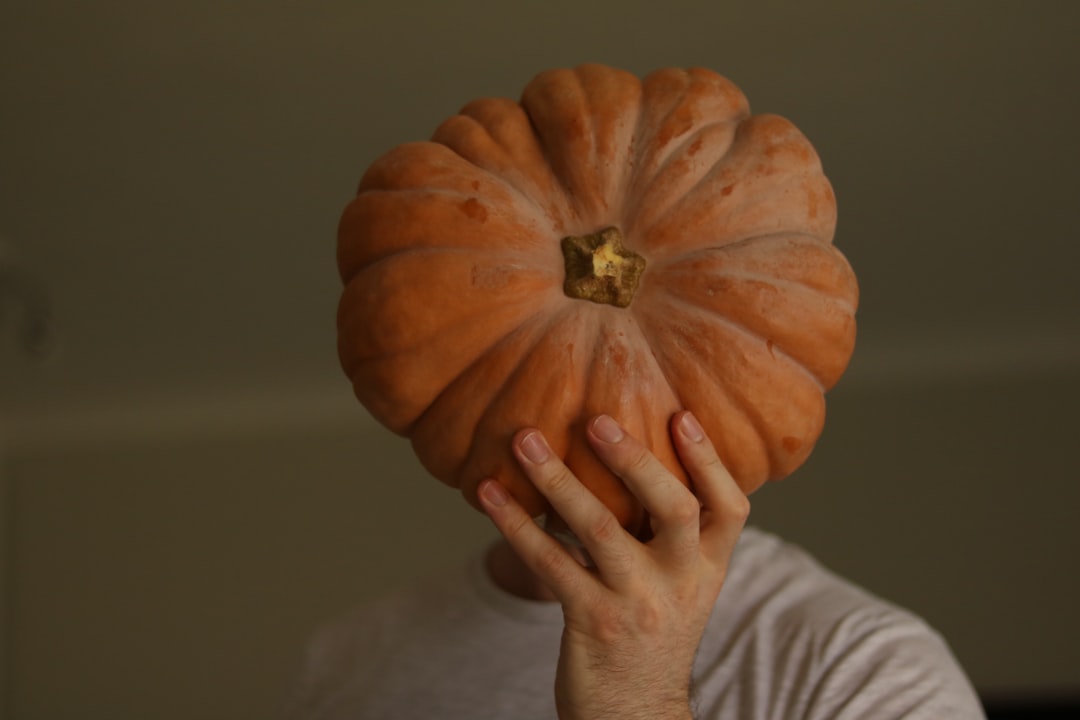
Two tactile tests can further confirm ripeness: the thump test and inspecting the skin’s texture. When you gently tap a ripe sugar pumpkin with your knuckles, it should produce a hollow, resonant sound, much like tapping a drum. This indicates that the flesh inside has matured and pulled away slightly from the rind, creating an internal cavity. An unripe pumpkin, conversely, will often produce a dull, softer, or even “thud-like” sound. For the skin, a ripe sugar pumpkin will have a hard, firm rind. Attempt to gently press your fingernail into the skin; if it’s ripe, your nail will struggle to pierce or even dent the surface. Unripe pumpkins tend to have softer skin that can be easily scratched or punctured. Additionally, ripe pumpkins often lose some of their initial shiny appearance, developing a duller, more matte finish as they fully mature.
Timing, maturity, and frost considerations
While visual and tactile cues are primary, understanding the general growth timeline for sugar pumpkins also helps. Most sugar pumpkin varieties mature within 90 to 120 days from planting, depending on the specific cultivar and local growing conditions. Keep a record of your planting date to give you an estimated harvest window. However, this is merely a guideline; always prioritize the physical signs of ripeness over strict adherence to a calendar date. A critical factor, especially for those in regions with changing seasons, is the threat of frost. Sugar pumpkins should ideally be harvested before the first hard frost, as frost can damage the fruit, compromising its quality and storage potential. A light, “nip-in-the-air” frost might be tolerable for a short period, but a hard freeze can turn the rind soft and cause rapid decay. Aim to harvest when the pumpkins show all signs of ripeness but well before freezing temperatures arrive.
| Indicator | Ripe Pumpkin Characteristics | Unripe Pumpkin Characteristics |
|---|---|---|
| Color | Deep, uniform orange; minimal green. | Green patches; pale orange. |
| Stem | Hard, woody, dry; often brown. | Green, pliable, often fresh-looking. |
| Tendrils | Dried, shriveled, brown near pumpkin. | Green, active, still growing. |
| Thump Test | Hollow, resonant sound. | Dull, soft “thud” sound. |
| Skin Hardness | Hard; difficult to dent with fingernail. | Soft; easily scratched or dented. |
Successfully determining when a sugar pumpkin is ripe is a blend of observation, touch, and a little bit of gardening wisdom. By paying close attention to the vibrant, uniform orange color of the rind, the dry and woody stem, and the shriveled tendrils, you gain invaluable insights directly from the plant. The satisfying hollow sound of a thump and the firm, hard texture of the skin further confirm that your pumpkin has reached its peak maturity. While growth timelines offer a helpful framework, always prioritize these physical cues, especially when considering the threat of frost. Harvesting at the optimal time ensures not only the best flavor for your culinary creations but also prolongs the storage life of your pumpkins. With these tips, you’re now equipped to enjoy the sweet rewards of a perfectly ripe sugar pumpkin, ready for pies, roasting, or simply gracing your autumn decor.
Image by: Alicia Christin Gerald