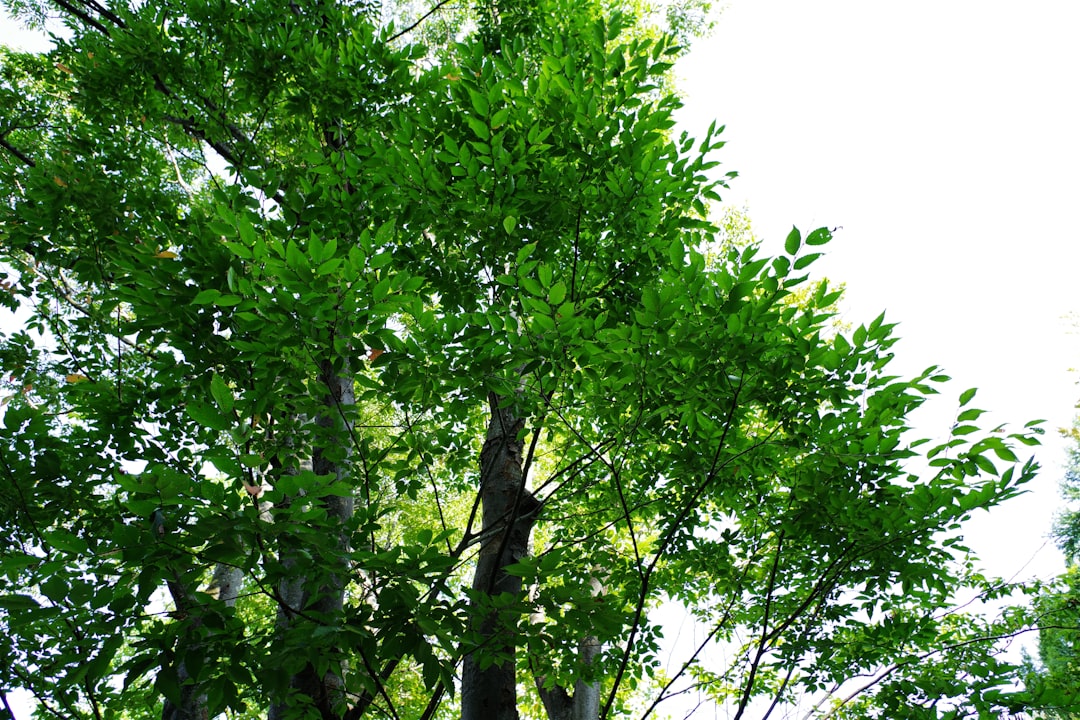
Ash trees, majestic and vital components of many landscapes, are increasingly under threat from a variety of diseases. One of the most alarming and noticeable signs of distress in these trees is premature leaf drop. While shedding leaves in autumn is a natural process, an ash tree dropping its leaves during spring or summer often signals a significant underlying health issue. Understanding the specific diseases responsible for this symptom is crucial for timely diagnosis and effective management. This article will delve into the primary ash tree diseases that cause leaves to fall prematurely, explore how to identify these problems, and discuss potential strategies to protect these valuable trees from irreversible decline.
The tell-tale sign of distress: understanding ash leaf drop
Premature leaf drop in ash trees is more than just an aesthetic concern; it is a critical indicator of severe physiological stress or pathogen attack. Unlike the natural senescence and abscission of leaves in the fall, early leaf drop typically occurs when the tree’s vascular system is compromised, nutrient uptake is disrupted, or photosynthetic capacity is severely reduced. This can be due to fungal infections blocking water and nutrient transport, bacterial or phytoplasma infections altering growth hormones, or insect infestations causing widespread tissue damage.
When an ash tree begins to shed leaves out of season, it’s essentially a distress signal. The tree is struggling to maintain its canopy, often in an effort to conserve resources when faced with an overwhelming challenge. Persistent and widespread early leaf drop can significantly weaken the tree, making it more susceptible to other stressors, and ultimately leading to branch dieback or even the tree’s demise if the underlying cause is not addressed. Recognizing this symptom promptly is the first step towards intervention.
Common ash tree diseases behind premature leaf loss
Several diseases specifically target ash trees, leading to the debilitating symptom of premature leaf drop. Identifying the specific pathogen is key to effective treatment. Below are some of the most prevalent diseases:
- Anthracnose: This fungal disease, caused by various species of Gnomonia or Apiognomonia, is particularly common during cool, wet springs. It manifests as irregular tan to brown spots on leaves, often concentrated along veins. Severely infected leaves may crinkle, distort, and fall prematurely. While rarely fatal to mature trees, repeated severe infections can weaken the tree over time.
- Ash yellows: A chronic disease caused by a phytoplasma, a type of bacteria-like organism. Ash yellows typically leads to a slow decline, characterized by stunted, yellowed, and often prematurely shed leaves. Other symptoms include witches’ broom (dense clusters of short, weak shoots), bark cracks, and a general loss of vigor.
- Verticillium wilt: Caused by the fungus Verticillium dahliae, this soil-borne pathogen invades the tree’s vascular system, blocking water and nutrient flow. Symptoms often appear suddenly and may affect only one section or side of the tree, causing leaves to wilt, turn yellow or brown, and drop prematurely. Cutting into affected branches may reveal dark streaks in the sapwood.
- Ash dieback (Chalara fraxinea): Also known as Chalara ash dieback or Hymenoscyphus fraxineus, this devastating fungal disease causes wilting, blackening, and shedding of leaves, particularly in the upper canopy. Dark lesions often appear on twigs and branches, and infected trees can decline rapidly, especially younger specimens.
While not a disease, it is also important to mention the Emerald Ash Borer (EAB). This invasive insect, Agrilus planipennis, directly damages the tree’s vascular system, leading to canopy thinning, yellowing, and premature leaf drop. EAB infestations often weaken trees, making them more susceptible to the fungal diseases mentioned above, or causing death directly.
Pinpointing the problem: key diagnostic indicators
Accurate diagnosis is paramount when an ash tree is exhibiting premature leaf drop. Observing additional symptoms alongside the falling leaves can help narrow down the potential cause. Here’s what to look for:
- Leaf appearance prior to drop: Are the leaves exhibiting specific spots, lesions, discoloration (yellow, brown, black), or malformation (curling, blistering)? Anthracnose, for instance, leaves distinct blotches, while ash yellows causes a general yellowing and stunting.
- Pattern of leaf drop: Is the drop uniform across the entire canopy, or localized to specific branches or sections of the tree? Verticillium wilt often presents unilaterally.
- Other tree symptoms: Inspect the bark for cankers, cracks, or unusual growths. Look for branch dieback, sparse canopy, or the presence of epicormic shoots (suckers emerging from the trunk or main branches). EAB infestation often reveals D-shaped exit holes and serpentine galleries under the bark.
- Timing and environmental factors: Note when the leaf drop occurs. Anthracnose is more prevalent in wet, cool springs, while drought stress can exacerbate other conditions leading to leaf drop.
Here is a comparative overview of symptoms for common ash tree issues:
| Problem | Primary Cause | Leaf Symptoms | Other Key Symptoms |
|---|---|---|---|
| Anthracnose | Fungus | Irregular tan/brown spots, blight, distortion, premature drop | Twig cankers, shoot dieback, especially after wet springs |
| Ash Yellows | Phytoplasma | Stunted, yellowed, premature drop | Witches’ broom, bark cracks, general decline, sparse canopy |
| Verticillium Wilt | Fungus | Sudden wilting, yellowing, browning, unilateral drop | Branch dieback, dark streaks in sapwood, often one-sided |
| Ash Dieback | Fungus | Wilting, blackening, premature drop (upper canopy first) | Dark lesions on twigs/branches, rapid decline, often lethal |
| Emerald Ash Borer | Insect | Canopy thinning, sparse foliage, premature yellowing/browning/drop | D-shaped exit holes, S-shaped galleries under bark, bark splits, epicormic shoots |
Given the complexity of tree diseases, it is highly recommended to consult with a certified arborist or a plant pathologist for an accurate diagnosis, especially before attempting any treatments. Misdiagnosis can lead to ineffective or even harmful interventions.
Strategies for ash tree health and recovery
Once a specific disease causing leaf drop in an ash tree has been identified, a targeted management plan can be implemented. The approach often combines preventive measures with specific treatments:
- Cultural practices: Maintaining overall tree health is crucial. Ensure adequate watering during dry periods, especially for young trees. Apply a balanced fertilizer based on soil test recommendations, and use mulch around the base of the tree to regulate soil temperature and moisture. Avoid wounding the tree, as this can create entry points for pathogens.
- Pruning: Carefully prune out infected branches during dry weather to remove sources of inoculum, especially for fungal diseases like anthracnose. Sterilize pruning tools between cuts and between trees to prevent disease spread.
- Fungicides: For some fungal diseases, preventative fungicide applications may be effective, particularly for high-value trees. However, these often require precise timing and professional application and are not always a long-term solution. They are generally less effective once symptoms are widespread.
- Disease-resistant varieties: If planting new ash trees, inquire about varieties that exhibit some resistance to common diseases in your region, although true immunity is rare.
- Removal: In cases of severe infection, particularly with aggressive diseases like ash dieback or widespread EAB infestation, removal of the tree may be the safest option, especially if it poses a hazard or is beyond saving. This also helps prevent the spread of the disease to other trees.
An integrated pest management (IPM) approach, combining various strategies, offers the best chance for maintaining ash tree health. Regular monitoring for early signs of disease, along with proper tree care, can significantly improve an ash tree’s resilience against these debilitating conditions.
The premature shedding of leaves by an ash tree is a clear cry for help, signaling underlying diseases that range from fungal infections like anthracnose and verticillium wilt to phytoplasma-induced ash yellows and the devastating ash dieback. While some issues may cause only aesthetic damage, others can lead to severe decline and ultimately, tree death. Accurate diagnosis, often requiring the expertise of a certified arborist, is the cornerstone of effective management. By understanding the distinct symptoms accompanying leaf drop and implementing appropriate cultural practices, pruning, or targeted treatments, we can strive to protect these invaluable members of our ecosystem. Early detection, consistent care, and informed intervention are vital in preserving the health and longevity of our ash trees against these persistent threats.
Image by: Joe Halinar