Encountering a large wasp can be a startling experience, often prompting questions about its identity, behavior, and potential threat. While many wasps are relatively small, some species can grow to impressive sizes, with certain individuals reaching or even exceeding two inches in length. Identifying these formidable insects is not just a matter of curiosity; it can be crucial for understanding their role in your local ecosystem, assessing any potential risks, and deciding whether intervention is necessary. This article will guide you through the essential characteristics and behavioral patterns that distinguish these larger wasps, helping you to confidently identify the two-inch giants that might cross your path.
Understanding the basics of large wasps
Before diving into specific identification markers, it’s helpful to establish a baseline understanding of what constitutes a “large” wasp. A two-inch wasp is indeed significant in the insect world, placing it among the biggest members of the Hymenoptera order. While many people associate the term “wasp” with common yellowjackets or paper wasps, which rarely exceed an inch, the larger species often belong to different families with distinct ecological roles. These giants can include formidable predators, parasitic species, or even wood-boring insects often mistaken for wasps. Their size alone commands attention, but it also provides a critical starting point for narrowing down potential identities. Understanding the general classification and typical habitats of these larger insects sets the stage for more precise identification.
Key physical characteristics for identification
Accurate identification relies on observing several key physical attributes. Beyond sheer size, which can be estimated by comparing it to common objects, a closer look at a wasp’s body reveals crucial clues.
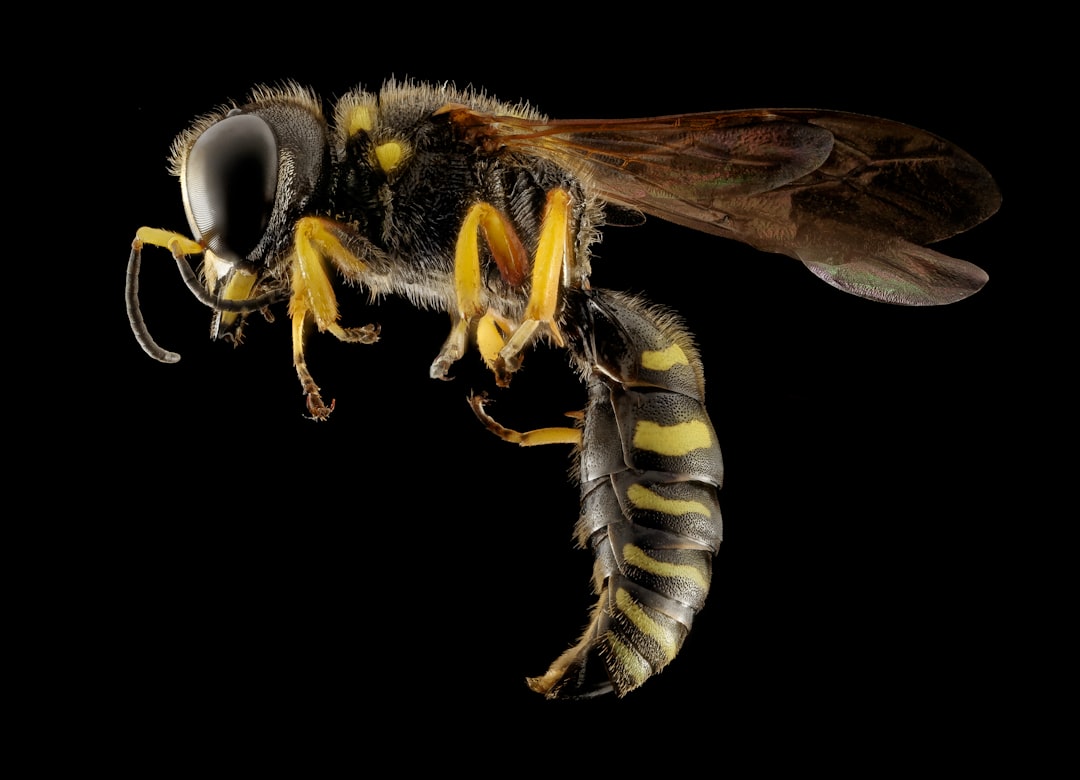
- Coloration and patterns: Observe the primary colors. Are they black and yellow, metallic blue-black, reddish-orange, or a combination? Note specific patterns like stripes, spots, or bands on the abdomen and thorax. For instance, many large predatory wasps feature striking black and yellow or black and orange markings, while some parasitic wasps might exhibit iridescent blue or green hues.
- Body shape and segmentation: Examine the overall build. Is the wasp slender with a distinct, narrow “waist” (pedicel), or is it more robust and stout? The shape of the abdomen, whether it’s rounded, tapered, or elongated, also provides important information. The presence or absence of a long, thin petiole connecting the thorax and abdomen is a key differentiator.
- Wings: Pay attention to the wings. Are they clear, smoky, or distinctly colored (e.g., bright orange or red)? Note their texture and how they are held at rest – folded longitudinally, flat over the back, or slightly angled.
- Antennae and legs: The antennae can vary in length, thickness, and curvature. Long, slender antennae are common in many species, while others might have shorter, more segmented ones. The color and hairiness of the legs can also be minor distinguishing features.
Behavioral clues and habitat indicators
Beyond physical appearance, a wasp’s behavior and the environment in which it is found offer significant clues to its identity. Observing these aspects can often confirm or rule out certain species.
- Nesting habits: Does the wasp appear to be nesting in the ground, excavating tunnels, or emerging from existing burrows? Is it associated with wood, perhaps boring into dead trees or logs? Or is it flying around an aerial nest, like a papery orb or a suspended comb? Ground-nesting wasps, for example, are common among the largest species.
- Diet and prey preference: What is the wasp hunting? Some large wasps are specialized predators. For instance, one notable two-inch species is famous for hunting tarantulas, while another targets large cicadas. Observing what it carries or where it focuses its hunting efforts can be a definitive clue.
- Flight patterns: Note how the wasp flies. Is its flight direct and powerful, or more erratic and hovering? Is it solitary, or do you observe multiple individuals acting cooperatively around a nest?
- Geographic location and seasonality: Knowing your regional fauna and the typical active seasons for certain wasps can help narrow down possibilities. Many large wasps have specific geographic ranges and appear during particular times of the year, often coinciding with the presence of their prey.
Common 2-inch wasp species and their distinguishing features
To put these identification methods into practice, let’s examine a few prominent wasp species that frequently reach or exceed two inches in length. While many types exist globally, these examples illustrate the distinct characteristics to look for.
| Wasp species | Key physical traits | Behavior & habitat | Common misidentifications |
|---|---|---|---|
| Cicada killer wasp (Sphecius speciosus) | Robust body, black with prominent yellow markings on the abdomen; smoky, clear wings; large head. | Ground-nesting, often in loose soil; solitary; preys exclusively on cicadas; generally docile unless provoked. | Hornets, yellow jackets (cicada killers are much larger and more robust). |
| Tarantula hawk wasp (Pepsis spp. or Hemipepsis spp.) | Often metallic blue-black body with bright, iridescent orange or red wings (some species have dark wings); long legs, slender build. | Ground-nesting, solitary; preys exclusively on tarantulas; known for a powerful, painful sting; found in arid regions. | Other large wasps, particularly those with dark bodies and red/orange wings. |
| Giant horntail (Urocerus gigas, though not a true wasp) | Large, robust, yellow and black striped body; long, thin antennae; distinctive long, stout ovipositor (females) at the rear, often mistaken for a stinger. | Wood-boring, lays eggs in dead or dying coniferous trees; harmless to humans; slow, deliberate flight. | Giant wasps, hornets (due to size and coloration); often mistaken as dangerous due to the ovipositor. |
Understanding these distinct characteristics allows for accurate identification, helping you appreciate their unique roles in nature.
Conclusion
Identifying two-inch wasps can be a fascinating endeavor, offering a deeper appreciation for the diversity of the insect world. By meticulously observing their physical characteristics—such as coloration, body shape, and wing patterns—and combining these visual cues with behavioral insights like nesting habits, prey preferences, and flight patterns, you can confidently distinguish between various large species. Whether it’s the cicada-hunting ground dweller or the tarantula-pursuing desert inhabitant, each large wasp possesses a unique combination of traits that tells its story. Remember that most large, solitary wasps are generally not aggressive unless directly threatened or protecting a nest. Approaching these magnificent insects with caution and respect not only ensures your safety but also fosters a better understanding of their vital ecological contributions. Should you encounter a large wasp that appears to be nesting in a high-traffic area or poses a direct threat, consulting with a professional pest control expert is always the safest course of action.