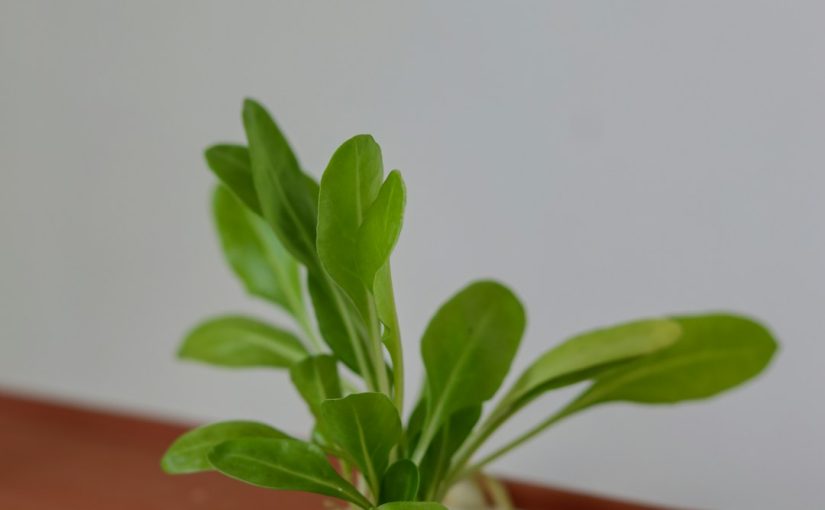
Cultivating your own garden offers immense satisfaction, and few vegetables rival the simple pleasure and nutritional punch of fresh spinach. Beyond the single “spinach” you might find at the grocery store, there’s a surprisingly diverse world of varieties, each with unique characteristics that can thrive in specific garden conditions or cater to different culinary desires. From the classic crinkly leaves of savoy types to the smooth, tender texture of flat-leaf varieties, understanding these distinctions is key to a successful and bountiful harvest. This guide will delve into some of the best spinach varieties, helping you choose the perfect leafy greens to flourish in your garden and enhance your meals.
Understanding spinach types
Before diving into specific varieties, it’s helpful to understand the three primary categories of spinach, as these classifications largely dictate their appearance, texture, and how they perform in the garden and kitchen. Each type offers distinct advantages, making them suitable for different growing preferences and culinary applications.
- Savoy spinach: Easily recognizable by its deeply crinkled, dark green leaves. Savoy varieties tend to be more robust, handling cold weather better, and are excellent for both fresh consumption and cooking. However, their textured leaves can be a bit more challenging to clean thoroughly due to soil entrapment.
- Smooth-leaf (or flat-leaf) spinach: This type features broad, smooth, and often spade-shaped leaves, making them incredibly easy to clean. Smooth-leaf spinach is particularly popular for salads and is often the choice for commercial processing, though many gardeners appreciate its tender texture and rapid growth.
- Semi-savoy spinach: As the name suggests, semi-savoy varieties are a hybrid, offering a balance between the other two types. Their leaves are less crinkled than savoy but not entirely flat, providing a good compromise for ease of cleaning and desirable texture. Many semi-savoy types also boast enhanced disease resistance.
Popular savoy varieties for robust gardens
For gardeners seeking classic spinach flavor and resilience, savoy varieties are an excellent choice. Their crinkled texture holds up well to cooking and provides a satisfying mouthfeel, while many are known for their ability to withstand cooler temperatures, extending the harvest season.
Bloomsdale long standing
This heirloom variety is a true garden classic. Bloomsdale Long Standing is renowned for its dark green, heavily crinkled leaves and its exceptional bolt resistance, meaning it’s slower to send up a flower stalk when temperatures warm slightly. This characteristic makes it a reliable producer in spring and fall. Its robust flavor makes it ideal for sautéing, steaming, or adding to hearty dishes.
Tyee
Tyee is a popular hybrid savoy known for its upright growth habit, which helps keep the leaves cleaner and makes harvesting easier. It offers excellent disease resistance, particularly to downy mildew, a common spinach ailment. Tyee produces large, dark green leaves and is a strong performer in both spring and fall plantings, yielding consistently good harvests for both fresh use and cooking.
Regiment
A fast-growing semi-savoy with deeply savoyed, dark green leaves, Regiment offers a quick turnaround for gardeners eager for an early harvest. It’s known for its uniform growth and good resistance to common diseases. While categorized as semi-savoy, its crinkling is quite pronounced, offering a good compromise between texture and ease of cleaning. Regiment is an excellent choice for cool-season gardening.
Smooth-leaf and semi-savoy varieties for versatile harvests
When tender leaves for salads or easy-to-clean greens for quick meals are the priority, smooth-leaf and semi-savoy varieties shine. These types often grow quickly and offer a slightly milder flavor profile, perfect for a wide range of culinary uses.
Space
Space is a widely acclaimed smooth-leaf variety celebrated for its rapid growth and relatively good heat tolerance compared to many other spinach types. Its dark green, oval leaves are incredibly tender, making them perfect for baby leaf salads. Space is also a reliable producer, offering multiple cuttings throughout the season, especially if picked regularly. It’s a fantastic choice for gardeners who prioritize quick, tender harvests.
Red cardinal
For those looking to add a splash of color to their garden and plate, Red Cardinal is a unique smooth-leaf spinach. While its leaves are green, it boasts striking red stems and veins, offering visual appeal similar to some chard varieties. It has a mild, sweet flavor and a tender texture, making it an excellent addition to salads where its vibrant color can truly stand out. Red Cardinal is generally quite vigorous and disease resistant.
Corvair
A semi-savoy variety, Corvair is favored for its upright growth and excellent resistance to downy mildew. It matures quickly, producing medium-sized, dark green leaves that are less crinkled than traditional savoy types but still possess a pleasing texture. Corvair is very versatile, performing well as both a baby leaf spinach and for mature harvests. Its reliability makes it a staple for many home gardeners.
Beyond the basics: Specialty and heat-tolerant options
Sometimes, conventional spinach isn’t quite right for the climate or specific culinary need. Thankfully, there are several “spinach alternatives” and specialty varieties that can fill the gap, particularly in warmer months when true spinach struggles to thrive.
Malabar spinach (Basella alba)
Technically not a true spinach, Malabar Spinach is a heat-loving vine that thrives in hot, humid conditions where traditional spinach would quickly bolt. Its thick, fleshy leaves have a mild, slightly peppery flavor and a mucilaginous texture, making it excellent for stir-fries, curries, or even fresh in salads for added crunch. It’s a beautiful ornamental plant too, climbing trellises with ease.
New Zealand spinach (Tetragonia tetragonioides)
Another heat-tolerant alternative, New Zealand Spinach is a spreading plant that performs exceptionally well in summer heat. Its small, triangular leaves have a good spinach-like flavor, though they are milder and slightly thicker. It’s a “cut-and-come-again” plant, providing a continuous harvest throughout the summer months when other greens have faded. It’s also quite drought-tolerant once established.
Perpetual spinach (Swiss chard variety)
Often grouped with spinach due to its leaf characteristics and use, Perpetual Spinach is actually a type of Swiss chard grown specifically for its continuous production of tender, spinach-like leaves. It’s more heat-tolerant and bolt-resistant than true spinach, making it a reliable performer from spring through fall, and often into mild winters. Its leaves are excellent in any recipe calling for spinach.
Here’s a quick comparison of some popular spinach and spinach-like varieties:
| Variety Name | Type/Classification | Key Characteristics | Best Use |
|---|---|---|---|
| Bloomsdale Long Standing | Savoy Spinach | Deeply crinkled, bolt-resistant, robust flavor | Cooking, freezing, fresh (mature) |
| Space | Smooth-leaf Spinach | Fast growing, tender, good heat tolerance | Baby leaf salads, quick stir-fries |
| Tyee | Savoy Spinach | Upright growth, disease resistant, good yield | Fresh (mature), cooking |
| Corvair | Semi-savoy Spinach | Quick maturity, upright, good disease resistance | Baby leaf, mature harvests, versatile |
| Malabar Spinach | (Heat-tolerant alternative) | Vining, fleshy leaves, thrives in heat | Stir-fries, curries, tropical salads |
| Perpetual Spinach | (Swiss Chard variety) | Continuous harvest, heat-tolerant, mild | Any spinach recipe, cut-and-come-again |
Conclusion
Embarking on the journey of growing spinach in your garden is a truly rewarding experience, especially when you discover the rich diversity beyond a single generic type. From the robust, crinkled leaves of savoy varieties like Bloomsdale Long Standing and Tyee, perfect for hearty cooked dishes, to the tender, smooth leaves of Space and Red Cardinal that elevate any fresh salad, there’s a spinach for every preference and season. Even when summer heat threatens to end the spinach party, innovative alternatives like Malabar Spinach and New Zealand Spinach ensure your garden remains productive with leafy greens. By understanding the unique characteristics of each type – from texture and flavor to disease resistance and heat tolerance – you can select the perfect varieties to thrive in your specific garden environment. Experimenting with different spinach types not only enhances your culinary repertoire but also deepens your connection to the food you grow, promising a continuous bounty of fresh, nutritious harvests from your very own backyard.
Image by: Mor Shani