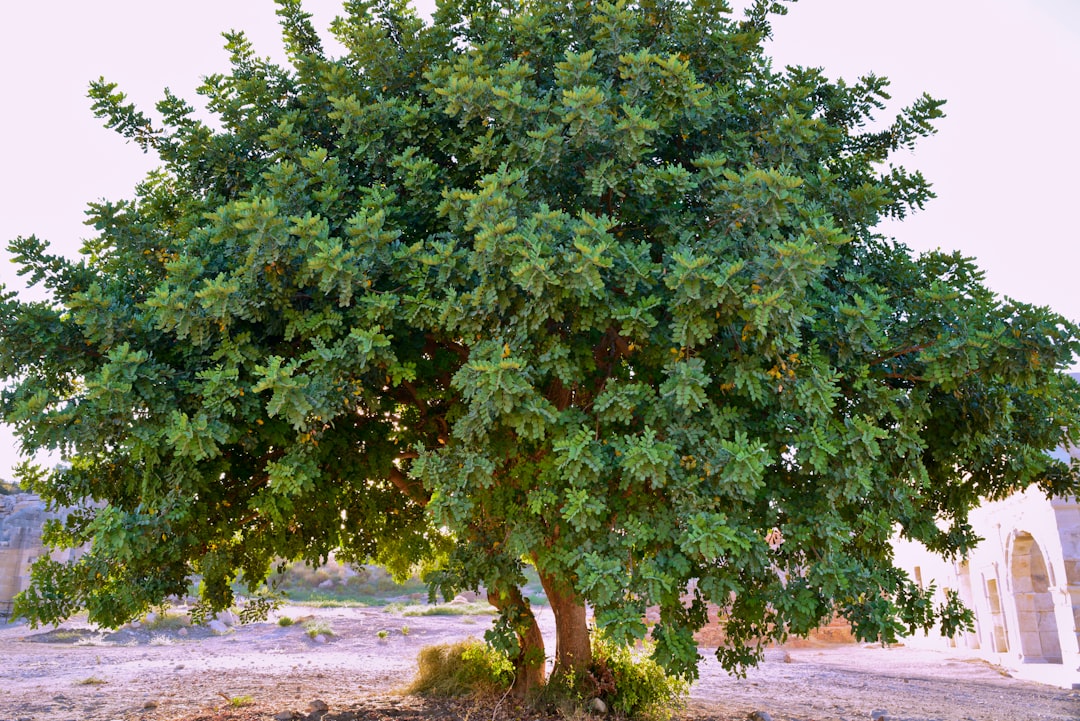
The calamansi, often referred to as the “Philippine lime” or “calamondin,” is a beloved citrus fruit renowned for its distinct tart flavor and aromatic zest. Originating from Southeast Asia, this small yet mighty fruit tree has found its way into kitchens and gardens worldwide, prized not only for its culinary versatility but also for its ornamental appeal. Whether you dream of freshly squeezed calamansi juice, vibrant marinades, or simply the sight of its glossy green leaves and miniature fruits, cultivating your own calamansi tree can be an incredibly rewarding endeavor. However, like all living things, it thrives with proper attention and care. This comprehensive guide will walk you through every essential step, from initial planting to ongoing maintenance, ensuring your calamansi tree flourishes and yields bountiful harvests for years to come.
Getting started: selecting and planting your calamansi tree
The foundation of a healthy calamansi tree begins long before it’s in the ground. Choosing a vigorous, disease-free sapling from a reputable nursery is paramount. Look for plants with bright green leaves, no signs of yellowing or spotting, and sturdy stems. Avoid any saplings with visible pests or wilting foliage. Calamansi trees can be grown both in containers and directly in the ground, depending on your climate and space. For colder regions where temperatures drop below 20°F (-6°C), container planting is highly recommended, allowing you to move the tree indoors during winter.
When it comes to soil, calamansi trees, like most citrus, prefer well-draining, slightly acidic soil with a pH between 5.5 and 6.5. A good quality potting mix designed for citrus or a blend of garden soil, compost, and perlite will provide the ideal environment. If planting in the ground, amend heavy clay soils with organic matter to improve drainage. Dig a hole twice as wide as the root ball and just as deep. Carefully remove the tree from its container, gently loosen any circling roots, and place it in the hole so that the top of the root ball is level with the surrounding soil. Backfill with amended soil, lightly tamp down to remove air pockets, and water thoroughly.
Cultivating a thriving calamansi: watering, sunlight, and nutrition
Once planted, consistent care is crucial for your calamansi tree’s development. These trees are sun-lovers, requiring at least 6-8 hours of direct sunlight daily to produce abundant fruit. If growing indoors, place it near a south-facing window or supplement with a grow light. Watering is perhaps the most critical aspect of ongoing care. Calamansi trees prefer consistently moist, but not waterlogged, soil. A good rule of thumb is to water when the top 1-2 inches of soil feel dry to the touch. Overwatering can lead to root rot, while underwatering can cause leaf drop and stunted growth. Adjust watering frequency based on climate, season, and whether the tree is in a container (which dries out faster) or in the ground.
Proper nutrition fuels healthy growth and fruit production. Calamansi trees are heavy feeders and benefit from regular fertilization, especially during their active growing seasons (spring and summer). Use a balanced citrus-specific fertilizer, which typically contains essential micronutrients like iron, zinc, and manganese. Follow the product’s instructions carefully, as over-fertilization can burn roots. For young trees, fertilize every 4-6 weeks; mature, fruiting trees may benefit from monthly feeding. Consider using a slow-release granular fertilizer or a liquid feed applied during watering. Here is a general guide:
| Growth Stage | Fertilizer Type | Frequency |
|---|---|---|
| Young Tree (1-2 years) | Balanced citrus fertilizer (e.g., 8-8-8) | Every 4-6 weeks |
| Mature/Fruiting Tree | High nitrogen citrus fertilizer (e.g., 10-5-5) | Every 2-4 weeks during active growth |
| Winter Dormancy | Reduce or cease fertilization | As needed (very light, if any) |
Maintaining health: pruning, pest, and disease management
Pruning is an essential practice for maintaining the health, shape, and productivity of your calamansi tree. The best time to prune is usually after harvest or in early spring before new growth emerges. Start by removing any dead, diseased, or crossing branches. Prune to improve air circulation within the canopy, which helps prevent fungal issues. You can also lightly trim branches to encourage a compact, bushy shape and remove “suckers” growing from the rootstock below the graft union. For heavy fruiters, thinning some fruits early can result in larger, higher-quality remaining fruits.
While generally hardy, calamansi trees can occasionally fall victim to pests and diseases. Common pests include aphids, scale insects, spider mites, and mealybugs. Regularly inspect your tree, especially the undersides of leaves, for any signs of infestation. For minor outbreaks, a strong stream of water or insecticidal soap can be effective. Neem oil is another excellent organic option for broader pest control. Severe infestations may require more targeted treatments. Fungal diseases, often exacerbated by high humidity or poor air circulation, can manifest as leaf spots or powdery mildew. Address these by improving airflow and, if necessary, applying appropriate fungicides. Always use caution and follow product instructions when dealing with any pest or disease treatment.
From bloom to bowl: harvesting and seasonal care
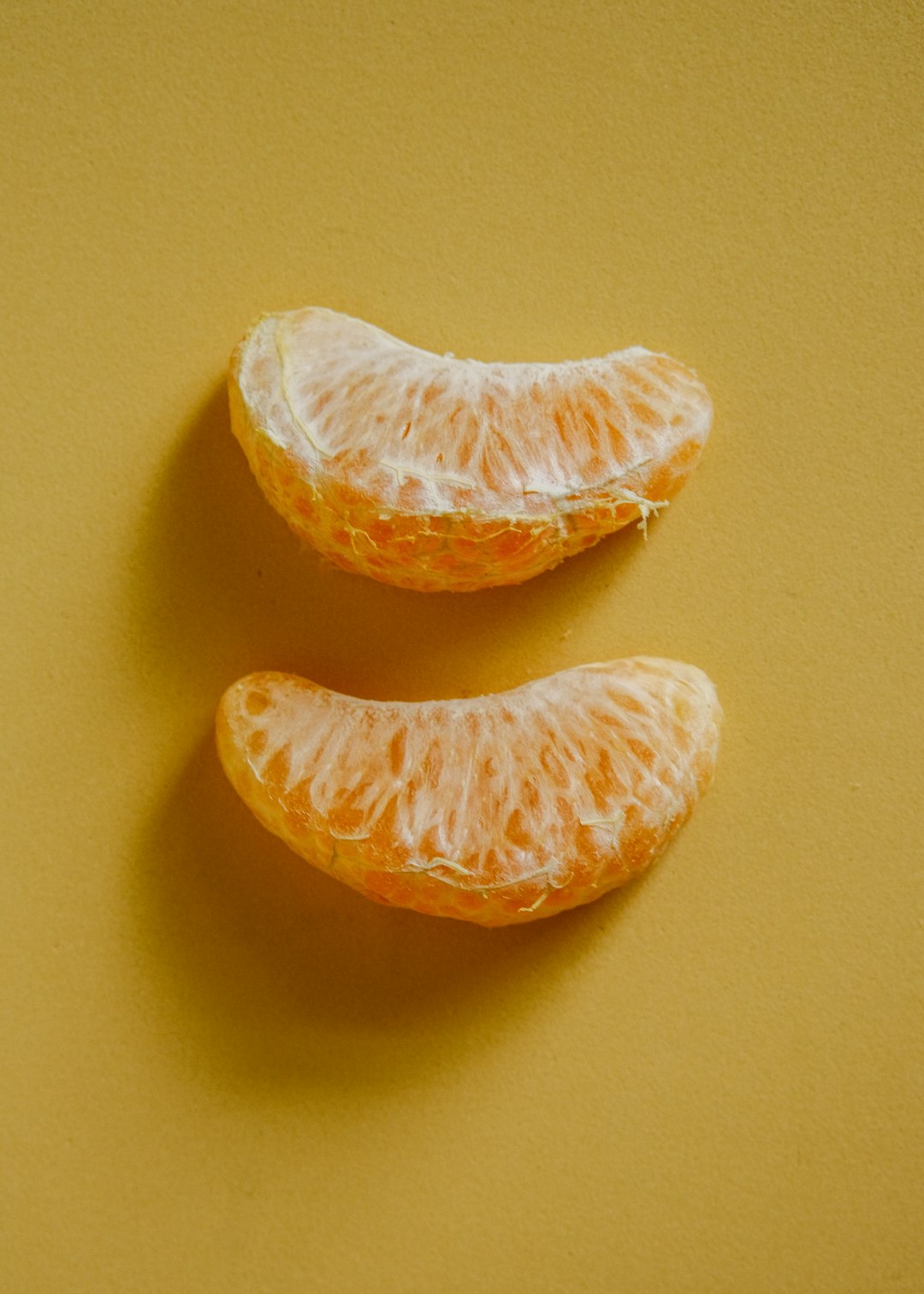
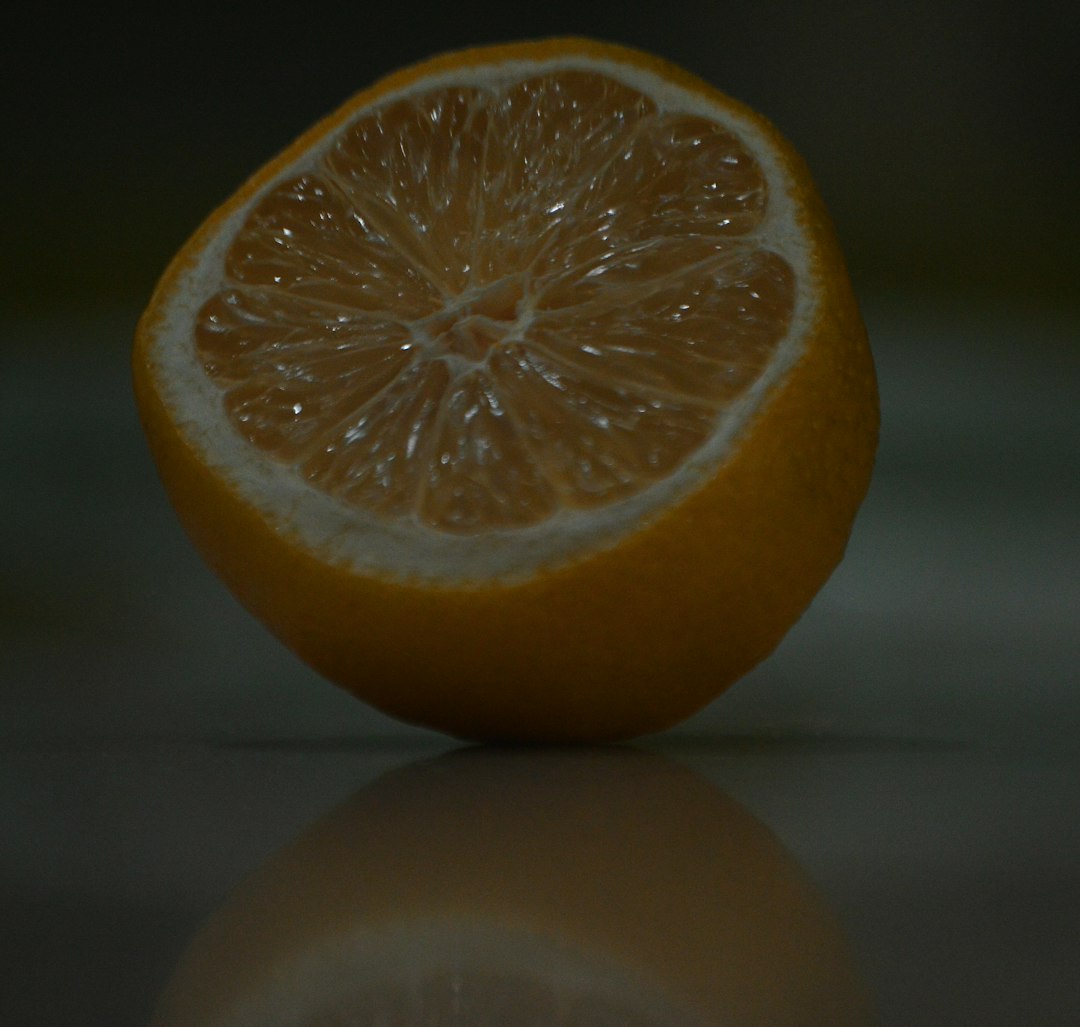
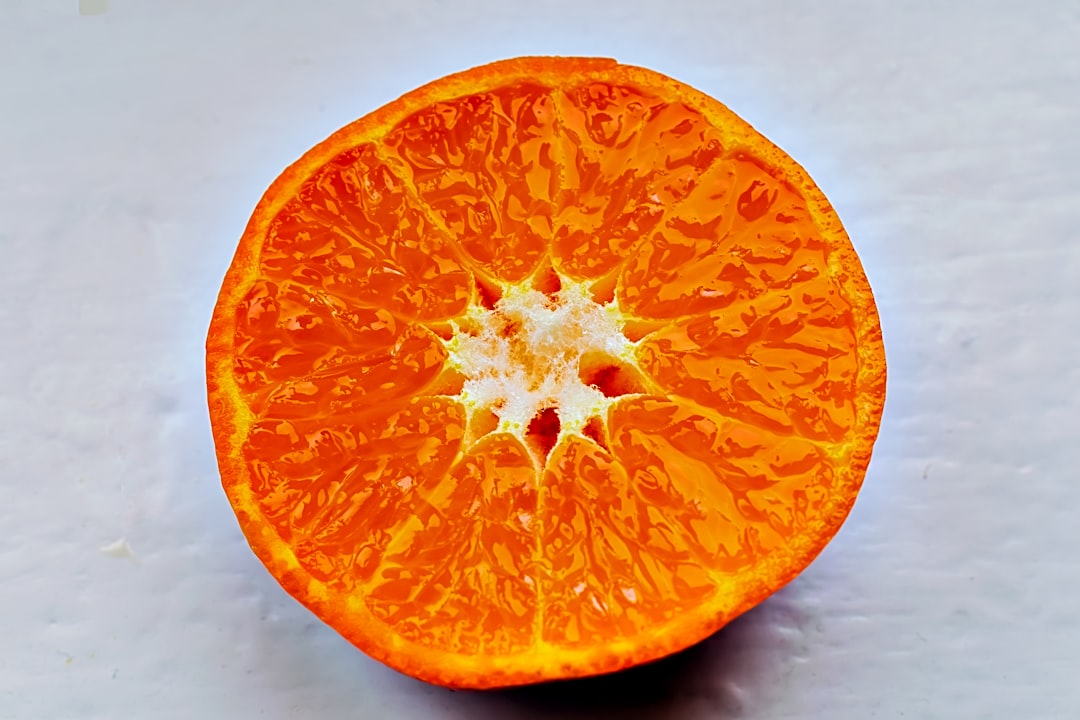
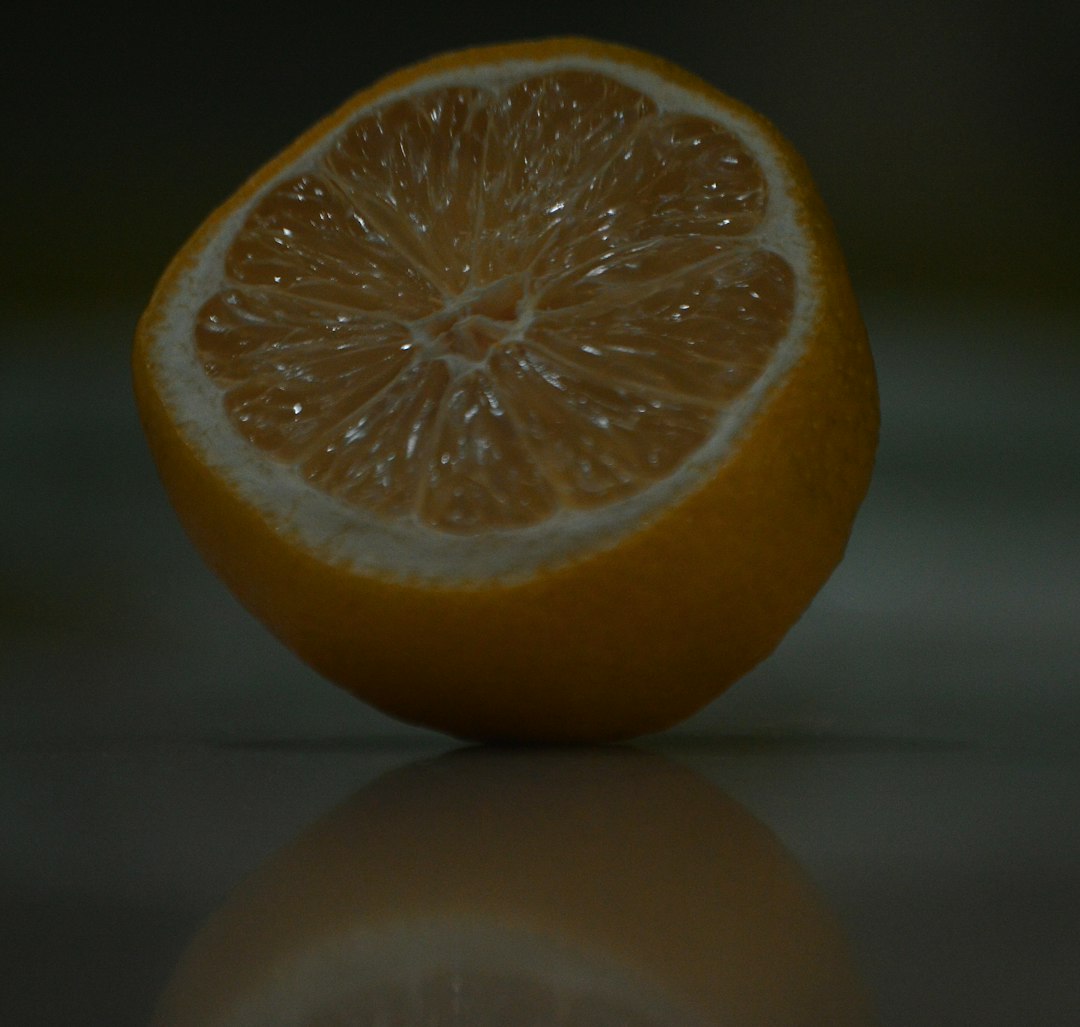
The journey from a small bloom to a ripe calamansi fruit is a rewarding one. Calamansi trees typically begin bearing fruit within 2-3 years of planting, producing small, round fruits that transition from green to a yellowish-orange hue when ripe. The fruit can actually be harvested at various stages of ripeness depending on desired tartness; greener fruits are more sour, while yellowish ones are slightly sweeter and more aromatic. To harvest, simply snip the fruit from the branch using clean pruning shears or gently twist it off. Avoid pulling, which can damage the branch. Calamansi trees are often prolific producers, providing a continuous harvest throughout much of the year in warm climates.
For those in regions with colder winters, seasonal care takes on added importance. If your calamansi is container-grown, move it indoors to a bright, cool location before the first frost. Reduce watering during its indoor dormancy period, allowing the soil to dry out more between waterings. Avoid fertilizing during this time. Once spring arrives and all danger of frost has passed, gradually reintroduce your tree to outdoor conditions. This acclimation period, known as “hardening off,” prevents shock. For in-ground trees in marginally cold climates, consider covering them with frost cloths during unexpected cold snaps or applying a thick layer of mulch around the base to protect roots from freezing temperatures. With thoughtful seasonal adjustments, your calamansi tree can thrive and produce for many years.
Cultivating a calamansi tree offers the immense satisfaction of growing your own exotic citrus, bringing a touch of tropical vibrancy and a burst of unique flavor to your home or garden. We’ve explored the entire spectrum of care, starting with the crucial steps of selecting a healthy sapling and providing it with the ideal planting environment. From there, we delved into the ongoing necessities of balanced watering, ample sunlight, and timely nutrition, emphasizing the importance of citrus-specific fertilizers to support vigorous growth and prolific fruiting. We also covered essential maintenance practices like strategic pruning for health and shape, alongside effective strategies for identifying and managing common pests and diseases, ensuring your tree remains robust. Finally, understanding when and how to harvest, coupled with vital seasonal care for colder climates, completes your journey to becoming a confident calamansi grower. By diligently applying these comprehensive guidelines, you will undoubtedly foster a thriving calamansi tree, ready to reward you with its delightful, zesty fruits season after season.
Image by: Krishna Ketan