New York’s diverse climate, ranging from harsh upstate winters to milder coastal areas, often leaves gardeners wondering about the viability of cultivating specific fruit trees. Among the many delightful options, the persimmon tree frequently sparks curiosity. With its unique, sweet fruit and striking fall foliage, the idea of growing persimmons locally is undoubtedly appealing. But can these beautiful trees truly flourish in the Empire State? This article will delve into the types of persimmons suitable for New York’s varied hardiness zones, essential growing conditions, and practical tips to help you successfully cultivate your own persimmon harvest, transforming your backyard into a haven for this delectable fruit.
American persimmon: A native’s resilience
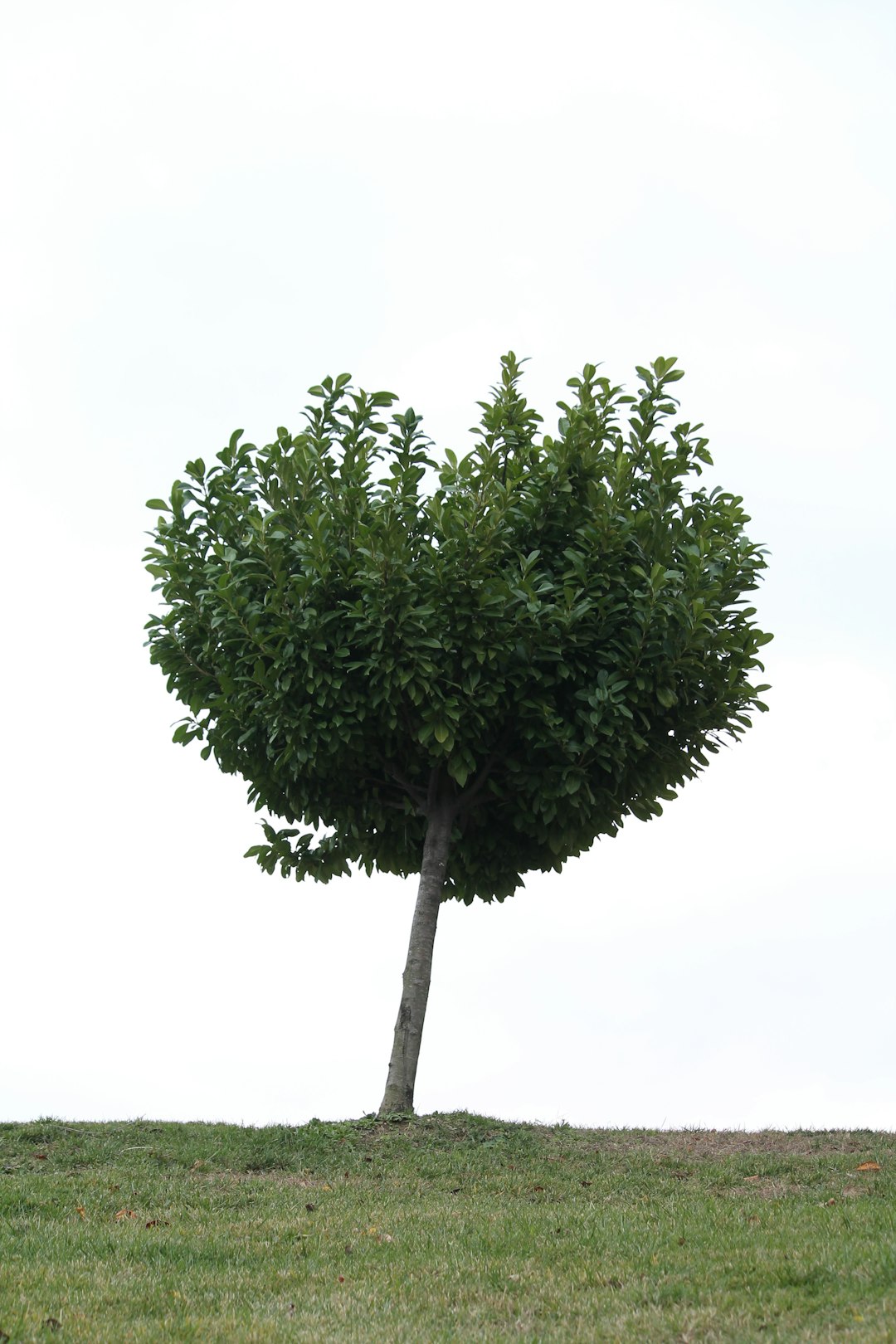
When considering persimmon cultivation in New York, the American persimmon (Diospyros virginiana) stands out as the most reliable choice. This native species is incredibly hardy, typically thriving in USDA zones 4 through 9, making it well-suited for nearly all regions of New York, including the colder upstate areas. American persimmons are known for their resilience, tolerating a wide range of soil types, from heavy clays to sandy loams, though they prefer well-drained conditions. They are also relatively drought-tolerant once established and are less susceptible to many common tree diseases and pests. The fruit, smaller than its Asian counterpart, is notoriously astringent until fully ripe and soft, often after the first frost, developing a rich, honeyed flavor perfect for baking or fresh eating. Cultivating American persimmons often requires multiple trees for pollination, as most varieties are dioecious, meaning individual trees bear either male or female flowers, though some self-pollinating cultivars exist.
Japanese persimmon: A challenge worth exploring
While the American persimmon is a clear front-runner, many gardeners are drawn to the larger, often less astringent fruit of the Japanese persimmon (Diospyros kaki). These varieties typically prefer warmer climates, thriving in USDA zones 7 to 10. This significantly limits their natural range within New York, primarily to the milder areas of Long Island and the immediate New York City metro region (zones 6b-7b). However, with careful site selection and winter protection, some adventurous growers in slightly colder zones 6a-6b might find success with specific, hardier Japanese cultivars. Varieties like ‘Matsumoto Wase Fuyu’ or ‘Saijo’ are known for slightly better cold tolerance. It is crucial to plant them in a sheltered location, ideally on the south side of a building or within a protected microclimate, and consider wrapping young trees or mulching heavily for winter protection during their first few years. Even with precautions, severe winters can still pose a risk to Japanese persimmons outside their ideal zones.
Essential growing conditions and care
Successful persimmon cultivation in New York, regardless of species, hinges on providing optimal growing conditions. Both American and Japanese persimmons require full sun, meaning at least 6-8 hours of direct sunlight daily, to produce abundant, high-quality fruit. Well-drained soil is paramount, as persimmons do not tolerate soggy roots. If your soil is heavy clay, consider amending it with organic matter to improve drainage. While American persimmons are adaptable, Japanese varieties prefer slightly acidic to neutral soil (pH 6.0-7.0). Proper watering is critical, especially during dry spells and for young trees, to ensure vigorous growth and fruit development. Minimal fertilization is usually needed for established trees; an annual application of a balanced fertilizer in spring is generally sufficient. Pruning should focus on establishing a strong central leader or open vase shape, removing dead or crossing branches, and thinning fruit if necessary to improve fruit size and quality. Pest and disease issues are relatively uncommon for persimmons, making them a low-maintenance choice once established.
Choosing the right variety and site selection for success
The key to thriving persimmon trees in New York lies in making informed choices about variety and planting location. For most of the state, especially upstate, prioritizing American persimmon varieties like ‘Meader’ (self-fertile, good for colder zones), ‘Prok’ (large fruit, early bearer), or ‘Early Golden’ is the safest and most rewarding path. These selections ensure cold hardiness and a reliable harvest. For those in milder zones aiming for Japanese persimmons, researching specific cultivars known for enhanced cold tolerance is vital. Consider the following table for a quick comparison:
| Characteristic | American Persimmon (Diospyros virginiana) | Japanese Persimmon (Diospyros kaki) |
|---|---|---|
| USDA Hardiness Zones | 4-9 (Suitable for most of NY) | 7-10 (Limited to milder NY regions) |
| Fruit Size | Smaller (1-2 inches) | Larger (2-4 inches) |
| Astringency | Highly astringent until fully soft ripe | Varieties can be astringent or non-astringent |
| Cold Tolerance | Excellent | Moderate to poor; needs protection in cold zones |
| Common Cultivars for NY | ‘Meader’, ‘Prok’, ‘Early Golden’ | ‘Matsumoto Wase Fuyu’, ‘Saijo’ (with protection) |
Site selection is equally critical. Always choose a location that receives full sun and has excellent drainage. Protection from harsh winter winds can significantly improve the chances of survival for less hardy varieties. Planting on a slight slope can also aid drainage. For Japanese persimmons in transitional zones, planting near a south-facing wall or building can provide crucial radiant heat and shelter during cold snaps. Investing time in proper soil preparation and initial care will establish a strong foundation for a healthy, productive persimmon tree for years to come.
In conclusion, the answer to whether persimmon trees can grow in New York is a resounding yes, albeit with important considerations for gardeners. The robust and cold-hardy American persimmon is a reliable choice for nearly every corner of the state, offering delicious, native fruit with minimal fuss. For those residing in New York’s milder USDA zones, or for dedicated growers willing to provide extra care, certain Japanese persimmon varieties can also be successfully cultivated, bringing their larger, distinctive fruits to the local harvest. Success hinges on selecting the right species or cultivar for your specific hardiness zone, providing a sunny, well-drained site, and maintaining consistent care, especially during the tree’s establishment phase. With a thoughtful approach to variety selection and site preparation, New York gardeners can certainly enjoy the unique beauty and sweet rewards of their own homegrown persimmon trees.
Image by: Caio Pezzo