After a spectacular display of color and fragrance, a common question arises for gardeners: Can you cut lilies down after they bloom? This seemingly simple query touches upon vital aspects of perennial plant care, directly influencing the health and future performance of your beloved lilies. While it might be tempting to tidy up your garden immediately by snipping away spent flowers and foliage, the timing and method of post-bloom pruning are critical for ensuring your lilies return year after year with the same vibrant vigor. Understanding the biological processes at play, particularly how lilies store energy for future growth, is key to making informed decisions. This article will delve into the nuances of post-bloom lily care, guiding you through the best practices to maintain robust plants and spectacular blooms in seasons to come.
The initial cut: deadheading spent blooms
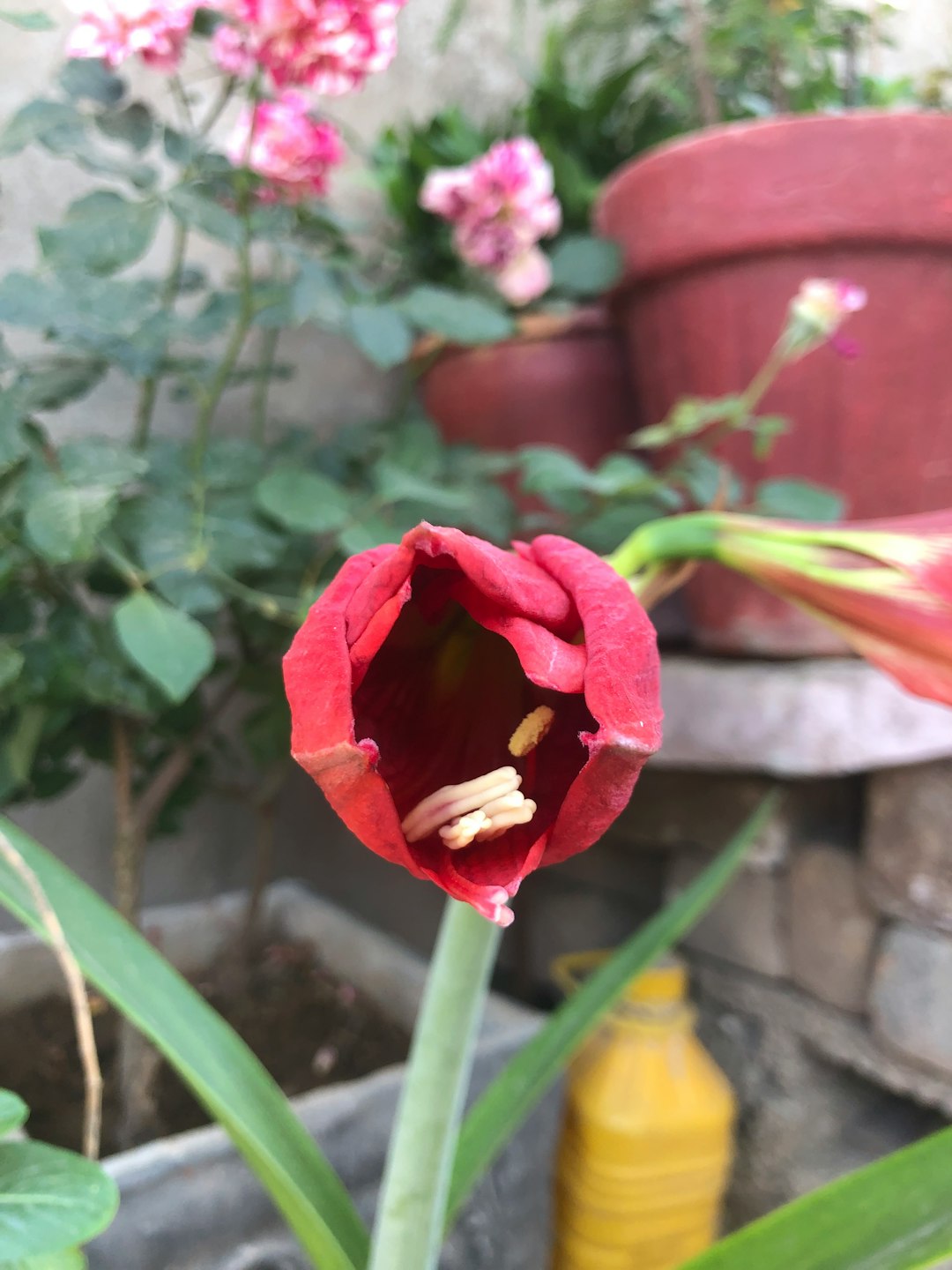
The first step in post-bloom lily care involves what gardeners call deadheading. This simply means removing the faded flowers as soon as they begin to wither. The primary purpose of deadheading is to prevent the lily plant from expending valuable energy on seed production. Once a flower is pollinated, the plant’s natural instinct is to form seeds to ensure species propagation. This process, while essential for reproduction, diverts significant energy and nutrients away from the bulb – the very storage organ responsible for next year’s magnificent display. By snipping off the spent blooms, you effectively signal to the plant that its reproductive cycle for the current flower is over, encouraging it to redirect that energy back into strengthening the underground bulb. This simple act can lead to a more vigorous plant, potentially resulting in larger or more abundant blooms in subsequent seasons. When deadheading, cut the flower stalk just below the spent blossom, taking care to leave as much foliage on the main stem as possible.
When to cut the stalk: patience is a virtue
While deadheading spent flowers is an immediate task, cutting down the entire lily stalk requires patience. It is absolutely crucial to resist the urge to cut the stems back prematurely, even if they start to look less appealing. The green leaves remaining on the stalk after the flowers have faded are busy manufacturing food through photosynthesis. This process converts sunlight into sugars, which are then transported down to the underground bulb for storage. This stored energy is vital for the bulb’s survival through dormancy and provides the fuel needed to produce new roots, shoots, and ultimately, flowers for the following growing season. Cutting the stalk down too soon, while the leaves are still green and actively photosynthesizing, deprives the bulb of this essential energy replenishment. You should only cut the entire stalk down to about 2-3 inches above the ground once the foliage has naturally turned yellow or brown and withered. At this point, the leaves have completed their energy production cycle, and all available nutrients have been successfully transferred back to the bulb.
Why foliage matters: powering next year’s display
Understanding the critical role of lily foliage is central to proper post-bloom care. Unlike annuals that complete their life cycle in one season, perennial lilies rely heavily on their leaves after flowering to store energy for subsequent years. Each green leaf acts as a miniature solar panel, capturing sunlight and converting it into carbohydrates. These carbohydrates are then meticulously stored within the underground bulb, accumulating the necessary reserves to fuel the plant’s emergence, growth, and spectacular blooming in the next spring or summer. This continuous cycle of growth, flowering, and energy storage is what allows lilies to return year after year, often growing stronger and more prolific over time. Premature removal of the foliage short-circuits this vital energy transfer, leaving the bulb depleted and vulnerable. A weakened bulb may result in fewer blooms, smaller flowers, or even lead to the plant’s complete failure to reappear in the next growing season. Therefore, leaving the foliage intact until it naturally fades is a non-negotiable step for long-term lily health.
Long-term health: supporting your perennial investment
Proper post-bloom care is an investment in the long-term health and vitality of your lily garden. By adhering to the recommended practices, you are directly contributing to the bulb’s robustness, its ability to withstand winter dormancy, and its capacity to produce abundant blooms year after year. A well-nourished bulb is more resilient against diseases and pests, and it’s better equipped to multiply, leading to a larger, more impressive display over time. Consider the subtle differences in care and their impacts:
| Action | Timing | Primary Purpose | Impact on Bulb Vigor |
|---|---|---|---|
| Deadheading spent flowers | Immediately after bloom fades | Prevent seed formation | Redirects energy to bulb, enhances future blooms |
| Leaving green foliage | Post-bloom until yellow/brown | Photosynthesis & energy storage | Critical for bulb replenishment & next year’s growth |
| Cutting entire stalk | Only after foliage yellows/browns | Garden tidiness, prepares for dormancy | Ensures full energy transfer completed |
| Premature stalk removal | While foliage is still green | (Undesirable) | Depletes bulb, weakens future blooms, potential plant loss |
Adopting these strategies ensures your perennial lilies not only survive but truly thrive, rewarding you with consistent beauty and fragrance for many seasons to come. It transforms a one-time bloom into a recurring spectacle, showcasing the power of understanding and working with your plants’ natural cycles.
In conclusion, the answer to whether you can cut lilies down after they bloom is nuanced, highlighting the importance of understanding the plant’s lifecycle. While deadheading spent flowers immediately is beneficial to prevent seed formation and redirect energy, the green foliage must remain intact until it naturally yellows and withers. This crucial period allows the leaves to photosynthesize and replenish the underground bulb with essential energy reserves, which are vital for the plant’s survival through dormancy and its ability to produce spectacular blooms in the following season. Prematurely cutting down the entire stalk deprives the bulb of this necessary nourishment, potentially leading to weakened plants, fewer flowers, or even their demise. By patiently waiting for the foliage to complete its energy-generating task, you are making a wise investment in the long-term health and vibrance of your lily garden, ensuring years of consistent beauty and fragrant displays.
Image by: Jonathan Hanna