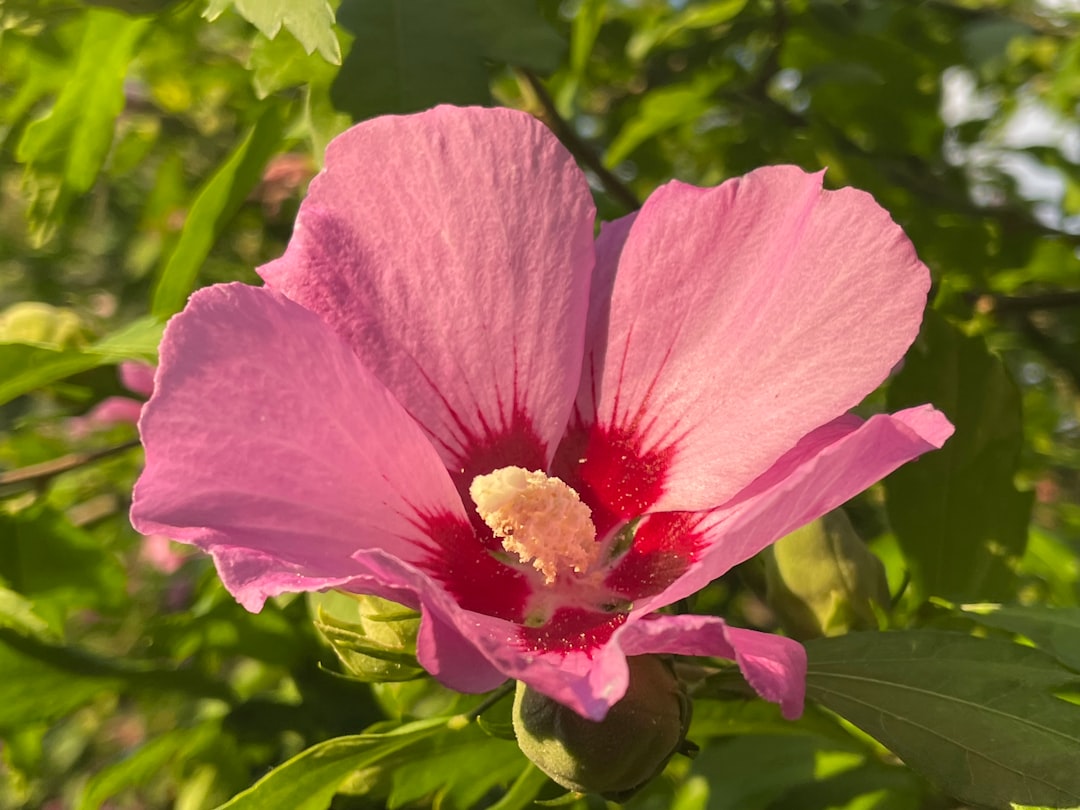
The vibrant, show-stopping blooms of hibiscus plants are a true spectacle, captivating gardeners with their tropical allure. Many enthusiasts, once smitten, naturally desire to expand their collection or share this beauty with others. Propagation, the art of creating new plants from existing ones, becomes a common goal. Among the various methods, rooting cuttings in water often emerges as a popular first thought due to its apparent simplicity and the satisfying visual of new roots developing. But when it comes to hibiscus, is this indeed a viable and effective strategy? Can you truly root hibiscus in water, and if so, what does it take to succeed? This article delves into the feasibility, techniques, and critical considerations for propagating hibiscus cuttings using the water method, providing insights to help you grow more of these magnificent plants.
Unlocking the potential: Can hibiscus really root in water?
The short answer is yes, hibiscus cuttings can root in water. This method holds a certain appeal, primarily for its ease of setup and the fascinating ability to observe root development firsthand. Gardeners often appreciate the simplicity of placing a cutting in a jar of water and waiting for nature to take its course. However, it’s crucial to understand that while possible, rooting hibiscus in water isn’t always the most successful or robust method compared to rooting in a solid medium like soil or perlite. Cuttings rooted in water tend to develop thinner, more brittle roots that are specialized for aquatic environments, making the transition to soil a particularly delicate and often stressful process for the young plant.
The primary challenges with water propagation for hibiscus include a higher susceptibility to stem rot, especially if the water isn’t changed frequently, and the aforementioned “transplant shock” when moving the water-grown roots into soil. Despite these caveats, with the right approach and careful attention, you can achieve success. This method is often favored by those looking to experiment, or who enjoy the visual aspect of seeing roots emerge. Understanding its limitations upfront helps set realistic expectations and guides you toward best practices for maximizing your chances.
Crafting the perfect cutting: Preparing for water propagation
Success in water rooting begins long before the cutting touches water. Selecting and preparing your hibiscus cutting correctly is paramount. Choose a healthy, vibrant stem from the mother plant that isn’t currently flowering or budding, as the plant’s energy should be directed towards root development, not bloom production. Ideal cuttings are typically “semi-hardwood” – stems that are no longer soft and flexible but haven’t yet become woody and rigid. Look for a stem segment about 4 to 6 inches long with at least 3-4 nodes (the points where leaves or branches emerge).
Using a sharp, clean knife or pruning shears, make a precise cut just below a node. An angled cut can sometimes be beneficial as it increases the surface area for water absorption. Carefully remove all but the top two or three leaves from the cutting. This step is critical because submerged leaves will rot, contaminating the water and encouraging bacterial growth that can kill your cutting. Furthermore, reducing the leaf surface area minimizes transpiration (water loss), allowing the cutting to conserve energy until roots can form. While not strictly necessary for water rooting, some enthusiasts may dip the cut end in a rooting hormone to encourage faster root development, though many hibiscus varieties will root without it. Finally, select a clean, clear vessel – a glass jar or bottle works well – allowing you to monitor water clarity and root growth.
Nurturing new life: The daily rhythm of water rooting
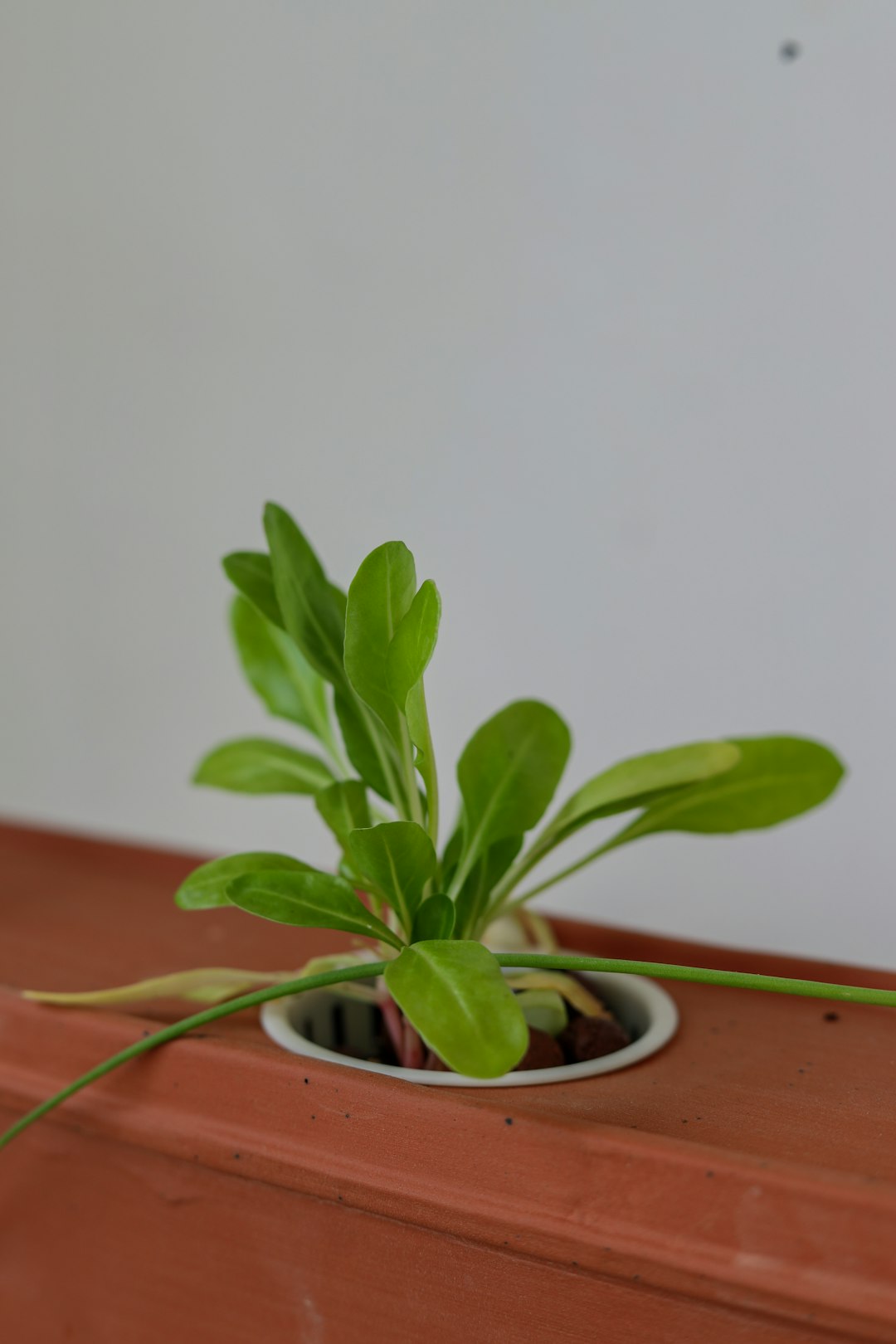
Once your hibiscus cuttings are prepared and placed in their water vessel, ongoing care is crucial for successful rooting. Fill your chosen container with non-chlorinated water. Tap water can be used if it’s allowed to sit out for 24 hours to let chlorine dissipate, or you can opt for distilled water or rainwater. Place the container in a location that receives bright, indirect light – avoid direct sunlight, which can overheat the water and stress the cutting. Maintain a stable room temperature, ideally between 65-75°F (18-24°C), as extreme fluctuations can hinder root formation.
The most critical aspect of water propagation for hibiscus is diligent water maintenance. Change the water completely every 2-3 days, or whenever it appears cloudy. This prevents the buildup of bacteria and algae, which can lead to stem rot. Gently rinse the bottom of the cutting under running water during changes if you notice any sliminess. Observe your cuttings regularly; within 2-4 weeks, you should start to see small white nubs emerging from the nodes below the waterline, which will then develop into roots. Patience is key, as some varieties may take longer. If a cutting starts to yellow excessively or the stem becomes mushy, it’s likely succumbing to rot and should be discarded to prevent contamination.
From water to earth: Successful transplantation and beyond
Knowing when to transplant your water-rooted hibiscus cutting is vital for its long-term survival. Wait until the roots are at least 1-2 inches long and have developed some secondary branching. Transplanting too early when roots are just emerging can lead to failure, as they won’t be robust enough to anchor the plant and absorb nutrients effectively from soil. The transition from water to soil is a significant shock for the plant, as its water-grown roots are accustomed to a constant supply of moisture and lack the fine root hairs needed to navigate soil particles.
To minimize transplant shock, prepare a well-draining potting mix. A good general-purpose potting soil amended with perlite or coarse sand for extra drainage works well. Plant the cutting at the same depth it was in the water, ensuring the roots are gently spread out and not cramped. Water thoroughly immediately after potting to settle the soil around the roots. For the first week or two after transplanting, keep the soil consistently moist but not waterlogged. Placing the newly potted plant in a high-humidity environment (like under a clear plastic dome or in a clear plastic bag) can also help it acclimate by reducing transpiration stress. Gradually introduce it to lower humidity and more typical growing conditions over several weeks. Continued care, including appropriate light, watering, and eventual fertilization, will help your water-rooted hibiscus thrive in its new soil home.
| Propagation Method | Advantages | Disadvantages | Typical Success Rate (Hibiscus) |
|---|---|---|---|
| Water propagation | Easy to set up, visually appealing, observe root growth | Prone to rot, weak roots, high transplant shock, slower root development | 30-50% |
| Soil/medium propagation | Stronger roots, less transplant shock, higher success rate, continuous nutrient access | Cannot observe root growth, requires more consistent moisture monitoring, potential for fungal issues | 70-90% |
In conclusion, while the allure of rooting hibiscus in water is strong due to its apparent simplicity and the joy of observing new growth, it’s a method best approached with a clear understanding of its nuances and limitations. Yes, you absolutely can root hibiscus cuttings in water, but it often demands more meticulous attention to detail regarding water changes, environmental conditions, and the critical transition to soil. Water-grown roots are inherently different from those developed in a solid medium, making the transplanting phase a make-or-break moment for your young plant. Success hinges on selecting healthy cuttings, maintaining pristine water conditions, and carefully acclimating the rooted cutting to its new soil environment.
For those seeking the highest success rates and the most robust plants, rooting directly in a well-draining potting mix or a specialized propagation medium might be a more reliable path. However, for gardeners who enjoy the process of observation, have the patience for frequent water changes, and are prepared for the delicate art of transplantation, water propagation offers a rewarding experience. Ultimately, the decision to root your hibiscus in water comes down to your personal gardening style and willingness to embrace a method that, while possible, requires dedication to overcome its inherent challenges. With careful execution, you can indeed propagate more of these beautiful plants to adorn your garden or share with fellow enthusiasts.