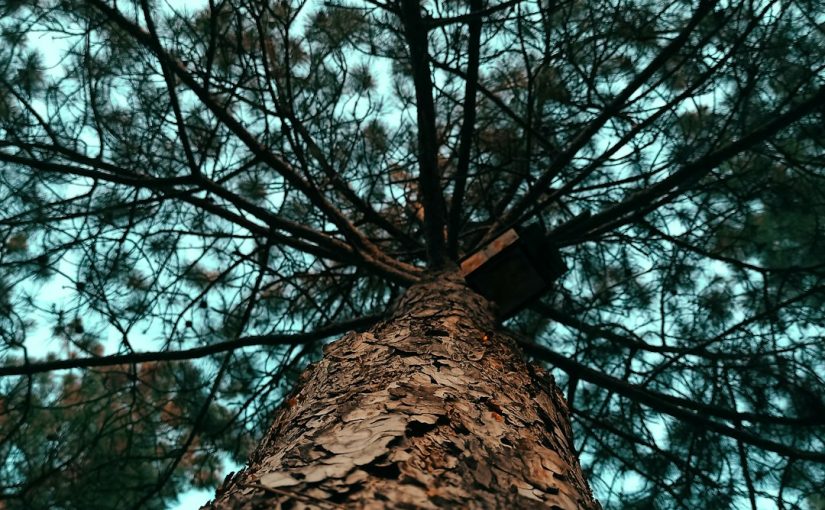
<p>The Northern Pine, often recognized as the Red Pine (Pinus resinosa), stands as a venerable and resilient emblem of the northern landscapes across North America. Its majestic stature, distinctive reddish bark, and enduring presence make it a cherished species, whether gracing natural forests or meticulously integrated into planned gardens and larger estates. Cultivating or maintaining these magnificent conifers requires a nuanced understanding of their specific needs to ensure they thrive rather than merely survive. This guide is dedicated to equipping you with the essential care tips, from initial planting considerations to ongoing maintenance and protection, ensuring your Northern Pine remains a vibrant, healthy, and long-lasting feature of your environment for generations to come. By delving into these practices, you can foster robust growth and resilience in this iconic tree.</p>
<h2>Site selection and planting fundamentals</h2>
<p>Successfully establishing a Northern Pine begins with thoughtful site selection. These trees flourish in conditions that mimic their natural habitat, requiring full sunlight, meaning at least six hours of direct sun daily is ideal for optimal growth and vigor. When it comes to soil, the Northern Pine is particular about drainage; it prefers well-drained, sandy, or loamy soils. Heavy clay soils that retain too much moisture can lead to root rot and should be amended or avoided. An acidic to neutral soil pH, typically between 5.0 and 6.5, is also crucial for nutrient availability and absorption.</p>
<p>Proper planting technique is equally vital. Dig a hole that is twice as wide as the root ball but no deeper than the root ball itself. The goal is to ensure the tree’s root flare – the point where the trunk begins to widen before meeting the roots – remains at or slightly above ground level. This prevents the trunk from being buried, which can lead to suffocating the roots and eventual decline. Gently loosen any circling roots before placing the tree in the hole. Backfill with the original soil, avoiding amendments unless a soil test specifically indicates a deficiency. Water thoroughly immediately after planting to settle the soil and eliminate air pockets around the roots.</p>
<h2>Watering, mulching, and nutrient management</h2>
<p>Once established, Northern Pines are remarkably drought-tolerant, particularly mature specimens. However, young trees require consistent moisture to develop a strong root system. During their first two to three years, water deeply once a week, especially during dry spells, ensuring the soil is moist to a depth of at least 12 inches. Reduce frequency as the tree matures, but continue to monitor for signs of stress during prolonged periods of drought. Overwatering is a common pitfall; always check soil moisture before adding more water.</p>
<p>Applying a 2-4 inch layer of organic mulch, such as pine needles or wood chips, around the base of the tree is highly beneficial. Keep the mulch a few inches away from the trunk to prevent moisture buildup and potential rot. Mulch helps retain soil moisture, moderates soil temperature, and suppresses weed competition, all of which contribute to a healthier root environment. Regarding fertilization, Northern Pines in suitable soil generally do not require supplemental feeding once established. If growth appears stunted or needles are discolored, a soil test can determine specific nutrient deficiencies. If fertilization is necessary, a slow-release, balanced evergreen formula (e.g., 10-10-10 or 12-12-12) can be applied in early spring. Avoid fertilizing late in the growing season, as this can encourage tender new growth susceptible to winter damage.</p>
<table border=”1″>
<tr>
<th>Tree age</th>
<th>Fertilizer type (if needed)</th>
<th>Frequency (if needed)</th>
</tr>
<tr>
<td>First 1-2 years</td>
<td>Balanced slow-release (e.g., 10-10-10)</td>
<td>Once annually in spring, following soil test recommendations</td>
</tr>
<tr>
<td>Mature (3+ years)</td>
<td>Generally not required; targeted if deficiency confirmed</td>
<td>Every 3-5 years, or as dictated by soil analysis</td>
</tr>
</table>
<h2>Pruning and managing common challenges</h2>
<p>Northern Pines typically require minimal pruning. The primary goal of pruning is to remove dead, diseased, or damaged branches to maintain the tree’s health and aesthetic form. These tasks are best performed in late winter or early spring before new growth emerges, or in late summer to early fall. Avoid pruning in late spring or early summer, as this is when the tree actively produces sap, and fresh wounds can attract pests. When pruning, make clean cuts just outside the branch collar, the swollen area where the branch meets the trunk, to facilitate proper wound closure. Avoid “topping” the tree, which can severely damage its structure and lead to an unhealthy growth habit.</p>
<p>Despite their resilience, Northern Pines can face several common challenges. Pests like the pine sawfly or the white pine weevil can cause defoliation or damage leading to dieback. Inspect your trees regularly for signs of infestation, such as discolored needles, sticky residue, or visible insects. Early detection allows for more effective intervention, which might involve manual removal for small infestations or targeted organic insecticides for larger problems. Fungal diseases, such as Diplodia tip blight, can also affect pines, causing needles and shoot tips to brown and die. Good air circulation, proper spacing, and avoiding overhead watering can help prevent fungal issues. Removing infected plant material promptly helps contain the spread of disease.</p>
<h2>Winter preparation and fostering long-term resilience</h2>
<p>Northern Pines are naturally adapted to cold climates, but certain precautions can enhance their winter hardiness, especially for younger trees. Ensuring adequate soil moisture in the fall before the ground freezes solid is crucial; this helps prevent winter burn, a condition where needles dry out from cold winds while the roots are unable to absorb water from frozen soil. For newly planted trees or those in exposed locations, a burlap screen can act as a windbreak, protecting them from harsh winter winds and excessive sun reflection off snow, which can also cause desiccation.</p>
<p>Deer browsing can be a significant issue, particularly in areas with high deer populations. Young pines are especially vulnerable. Physical barriers like fencing or tree shelters are often the most effective deterrents. Repellents can offer temporary protection but usually require reapplication after rain or snow. Ultimately, the long-term health and resilience of your Northern Pine depend on consistent, mindful care. Regularly monitoring the tree for any changes in needle color, growth patterns, or signs of stress allows for prompt action. Avoiding soil compaction around the root zone and ensuring the tree’s environmental needs are met are the best defenses against pests and diseases, paving the way for a majestic and enduring presence in your landscape.</p>
<p>Caring for a Northern Pine is a rewarding endeavor that contributes to the enduring beauty and ecological health of your property. We’ve explored the foundational elements for ensuring its vitality, from the critical initial steps of proper site selection and planting in well-drained, acidic soil to the ongoing stewardship of mindful watering and judicious nutrient management. We also delved into the importance of minimal, targeted pruning to maintain the tree’s structural integrity and health, alongside vigilant monitoring for common pests and diseases, emphasizing proactive measures for their control. Finally, preparing your pine for the rigors of winter and understanding its long-term needs ensures resilience. By consistently applying these thoughtful care practices, you not only nurture a magnificent tree but also invest in a living legacy that will stand tall and proud for decades, embodying the strength and serenity of the northern wilderness.</p>
Image by: Selin A.