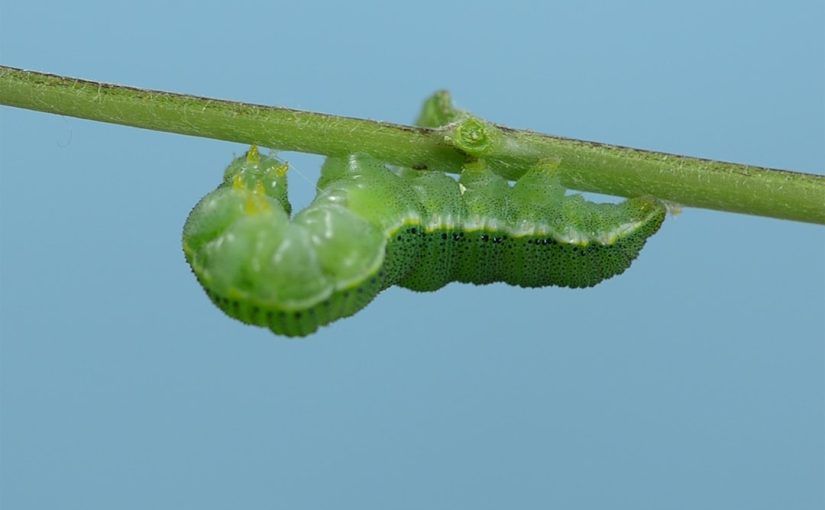
Maples, with their vibrant fall colors and dense summer canopy, are cherished additions to landscapes and vital components of many ecosystems. However, these magnificent trees are not immune to threats, particularly from a variety of insect pests. Among the most common and often destructive are certain caterpillar species, whose insatiable appetites can lead to significant defoliation. Understanding which caterpillars target maple leaves, how to identify them, and the impact they have is crucial for any homeowner or land manager looking to protect their trees. This article will delve into the world of these voracious leaf-eaters, exploring the most common culprits, their life cycles, and effective strategies to mitigate their damage, ensuring your maples remain healthy and thriving.
The common maple munchers: Identifying key caterpillar species
A surprising number of caterpillar species find maple leaves to be a delectable food source. While many cause only minor, cosmetic damage, some can lead to severe defoliation, especially during outbreak years. Knowing the primary offenders is the first step in effective management.
- Eastern tent caterpillar (Malacosoma americanum): These caterpillars are easily recognized by the silken tents they build in the crotches of tree branches, often in wild cherry but also maples. They are black and hairy with a prominent white stripe down their back, flanked by blue and yellow markings. They emerge in early spring, feeding on new leaves.
- Forest tent caterpillar (Malacosoma disstria): Despite their name, forest tent caterpillars do not build silken tents. Instead, they spin silken mats on tree trunks or branches where they congregate during resting periods. They are blue-gray with a row of keyhole-shaped white spots down their back. These caterpillars are known for their large outbreaks, which can lead to widespread defoliation across vast areas, including maple forests.
- Greenstriped mapleworm (Dryocampa rubicunda): As their name suggests, these caterpillars are specifically adapted to feed on maples, particularly red and sugar maples. They are bright green with distinct yellow or whitish stripes running the length of their body, and often possess two prominent black horns near their head. They typically feed from mid-summer into early fall.
- Spongy moth (Lymantria dispar dispar, formerly known as gypsy moth): This invasive species is a notorious defoliator of many hardwood trees, including maples. The caterpillars are hairy, dark, and distinguishable by five pairs of blue dots followed by six pairs of red dots along their back. They emerge in late spring and are voracious eaters, capable of stripping entire trees of their foliage within weeks during severe outbreaks.
Spotting the signs: How to identify caterpillar damage
Beyond identifying the caterpillars themselves, recognizing the specific patterns of damage they inflict on maple leaves can help diagnose an infestation and determine its severity. Different species leave distinct calling cards.
The eastern tent caterpillar and forest tent caterpillar primarily cause defoliation in the spring. Eastern tent caterpillars will be found congregating within their visible silk tents, venturing out to feed on nearby leaves. Forest tent caterpillars, lacking a tent, will often be seen clustered on trunks or branches during non-feeding times, their presence marked by extensive leaf damage across the canopy. Both can cause significant leaf loss, but maples typically recover, flushing new leaves if the attack isn’t too severe or prolonged.
Greenstriped mapleworms usually feed later in the season. Their feeding often results in skeletonized leaves, where only the veins remain, or leaves with large, irregular holes. Because they typically feed in smaller, more localized populations, their damage is often less severe than that of tent caterpillars or spongy moths, usually limited to aesthetic concerns rather than tree mortality.
The spongy moth caterpillar is perhaps the most destructive. Their feeding begins on newly emerged leaves in late spring and continues into early summer. They consume entire leaves, often leaving trees completely bare. Repeated, severe defoliation over several consecutive years, especially combined with other stressors like drought, can weaken maples significantly, making them susceptible to secondary pests and diseases, and potentially leading to tree death.
The repercussions of defoliation on maple health
While maples are generally resilient, repeated or severe defoliation by caterpillars can have serious consequences for their long-term health and vitality. The impact varies depending on the tree’s overall health, the species of maple, the timing of the defoliation, and the frequency of infestations.
When caterpillars strip a maple of its leaves, the tree is forced to expend considerable energy to produce a new flush of foliage. This process, known as refoliation, depletes the tree’s stored energy reserves, which are vital for growth, root development, and defense mechanisms. Young trees, those already stressed by drought or disease, or maples growing in poor soil conditions, are particularly vulnerable to this energy drain. Repeated defoliation can lead to a reduction in growth, smaller leaves, and a general decline in vigor.
Furthermore, defoliated trees become more susceptible to other environmental stressors and secondary invaders. Weakened maples are easier targets for wood-boring insects, canker diseases, and root rot. In severe cases, especially if defoliation occurs for multiple consecutive years, it can lead to branch dieback or even the complete mortality of the tree. Maple syrup producers, for instance, dread extensive defoliation, as it directly impacts sap production and the health of their sugar bushes.
Effective strategies for managing caterpillar infestations
Managing caterpillars on maple trees requires a combination of vigilance, understanding of their life cycles, and appropriate intervention. The best strategy often depends on the specific caterpillar species, the extent of the infestation, and the value of the affected trees.
For small infestations or individual trees, non-chemical methods can be quite effective. Hand-picking caterpillars, especially larger ones like the greenstriped mapleworm, is a viable option. For eastern tent caterpillars, pruning out branches with tents in early spring before the caterpillars disperse can significantly reduce their numbers. Similarly, spongy moth egg masses can be scraped off tree trunks in fall or winter. Encouraging natural predators, such as birds, parasitic wasps, and beneficial insects, by maintaining a diverse landscape, also plays a crucial role in biological control.
When infestations are widespread or severe, particularly with species like the forest tent caterpillar or spongy moth, chemical or biological controls may be necessary. Bacillus thuringiensis kurstaki (Bt) is a highly effective biological insecticide that specifically targets caterpillars, causing no harm to humans, pets, or other wildlife. It must be applied when caterpillars are young and actively feeding. For very severe cases, synthetic insecticides might be considered, but these should be used judiciously, following label instructions carefully, and typically applied by a certified arborist to minimize environmental impact.
Below is a summary of common caterpillar pests and their management considerations:
| Caterpillar species | Key identification | Peak feeding period | Management considerations |
|---|---|---|---|
| Eastern tent caterpillar | Black, hairy, white stripe, builds silk tents | Early spring | Prune tents, hand-pick, Bt application |
| Forest tent caterpillar | Blue-gray, keyhole spots, no tents | Spring | Bt application, promote natural predators |
| Greenstriped mapleworm | Green with yellow stripes, prominent horns | Mid-summer to early fall | Hand-picking for small infestations, Bt |
| Spongy moth | Hairy, blue & red dots, widespread defoliation | Late spring to early summer | Scrape egg masses, Bt application, pheromone traps |
Maintaining overall tree health through proper watering, fertilization, and mulching also significantly improves a maple’s resilience to pest attacks and its ability to recover from defoliation.
Protecting maple trees from the ravages of caterpillar infestations is a crucial aspect of tree care, ensuring their continued beauty and ecological value. We’ve explored the primary culprits: the eastern tent caterpillar, forest tent caterpillar, greenstriped mapleworm, and the invasive spongy moth, each with their unique feeding habits and visual characteristics. Understanding how to identify these pests and the specific damage they cause is the first step in effective management. We’ve also delved into the significant impact defoliation can have on maple health, from depleting energy reserves to increasing vulnerability to other stressors, highlighting the importance of timely intervention. Finally, we’ve outlined a range of management strategies, from simple hand-picking and biological controls like Bt to more advanced chemical interventions for severe outbreaks. By remaining vigilant, employing integrated pest management techniques, and promoting overall tree health, property owners can effectively protect their beloved maples, allowing them to thrive for generations to come and continue providing their invaluable environmental benefits.
Image by: Bankim Desai