Kansas, with its diverse ecosystems ranging from tallgrass prairies to urban environments, is home to a wide variety of spiders. While often misunderstood or feared, these arachnids play a crucial role in controlling insect populations, acting as natural pest managers. For residents and visitors alike, encountering a spider is a common occurrence, whether it’s an intricate orb web in the garden or a quick movement across a floor indoors. Understanding which species are common in the Sunflower State is not just about overcoming apprehension; it’s about informed coexistence. This article aims to demystify the most frequently encountered spiders in Kansas, providing insights into their habitats, characteristics, and most importantly, how to identify them, distinguishing between harmless residents and those that require a more cautious approach.
Understanding Kansas spider habitats and behaviors
To truly understand the spiders of Kansas, it’s essential to first grasp their general ecological roles and preferred environments. Spiders are master adapters, and their presence is often dictated by the availability of prey and suitable shelter. In Kansas, you might find spiders in almost any nook or cranny. Outdoors, common habitats include gardens, where many species weave intricate webs among plants to catch flying insects, under rocks, logs, or leaf litter, where ground-dwelling hunters like wolf spiders thrive, and even in the eaves and corners of buildings. Indoors, spiders are often drawn to areas offering warmth, shelter, and a steady food supply, such as basements, attics, closets, and garages. They are generally solitary creatures, with their behavior varying greatly by species; some are active hunters, pursuing prey without a web, while others are sedentary web-builders, patiently waiting for their next meal. Recognizing these general patterns can provide the first clue to a spider’s identity and potential impact.
Common harmless spiders of Kansas
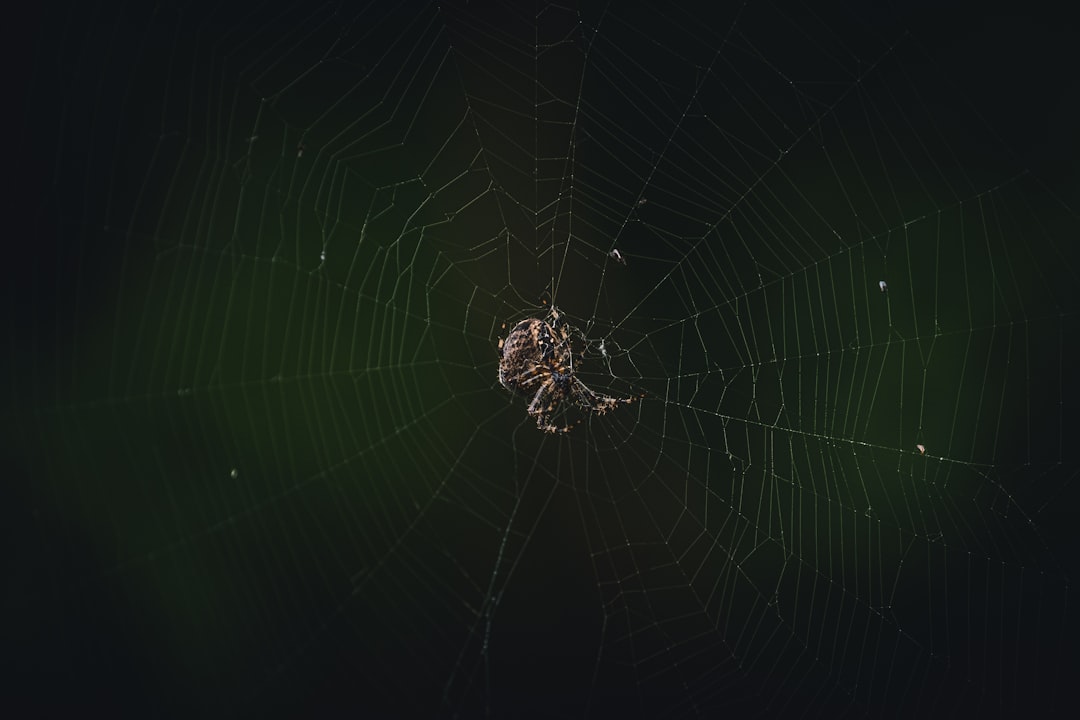
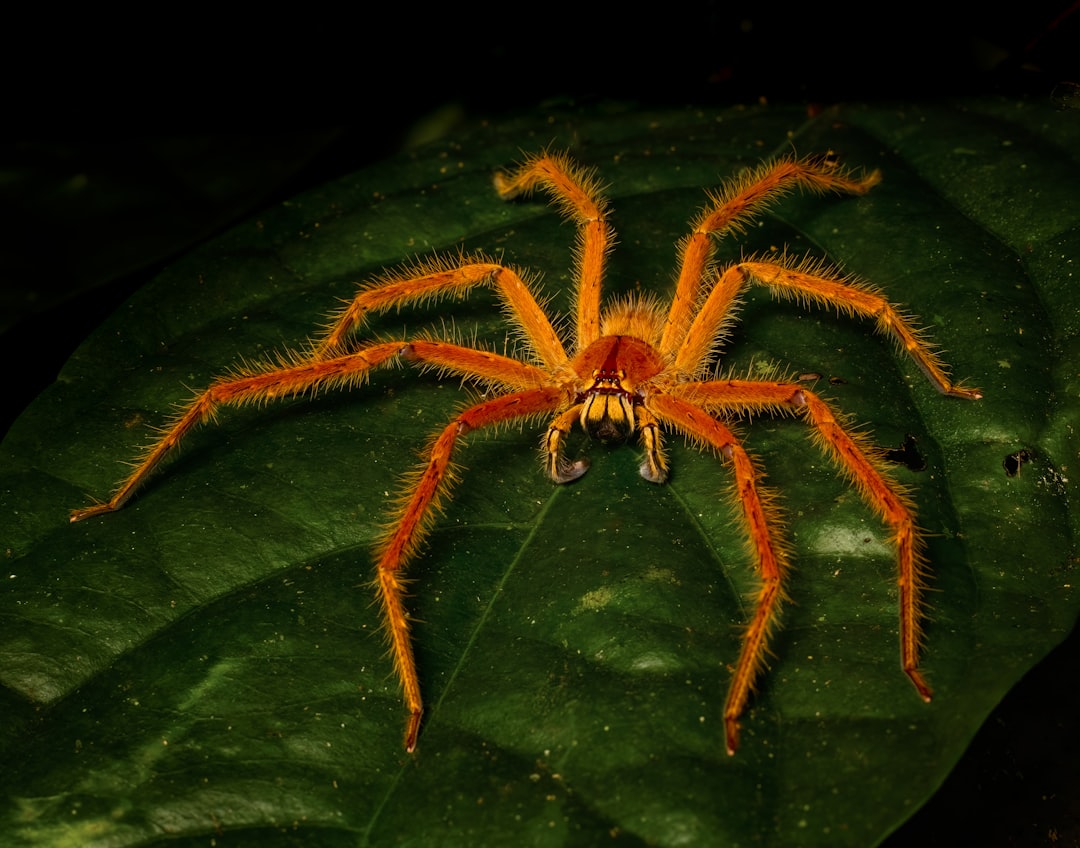
Many of the spiders you encounter in Kansas are entirely harmless to humans, despite their sometimes intimidating appearance. Knowing these friendly neighbors can help reduce unnecessary fear. One of the most frequently seen groups are the wolf spiders. These robust, hairy arachnids are often mistaken for tarantulas due to their size. They are ground hunters, easily identified by their excellent eyesight (evident from their large, forward-facing eyes) and lack of a web for catching prey. You’ll often find them scurrying across lawns or even indoors during cooler months. Another widespread group are the orb-weaver spiders, famous for their classic, wheel-shaped webs. Species like the garden spider (Argiope aurantia), with its striking yellow and black patterns, are common sights in gardens and between plants. While their webs can be large, these spiders are docile. Jumping spiders are small, often colorful spiders known for their excellent vision and quick, pouncing movements. They don’t build webs to catch prey but use silk for safety lines and retreats. Lastly, funnel-weaver spiders build sheet-like webs with a funnel-shaped retreat where they wait for prey; their webs are often seen on grassy areas or near building foundations.
Identifying medically significant spiders
While the vast majority of Kansas spiders are harmless, there are two species whose bites require medical attention: the brown recluse and the black widow. Proper identification is crucial for safety.
- Brown recluse spider (Loxosceles reclusa): These spiders are notoriously difficult to identify accurately without close examination. They are small, typically 1/4 to 1/2 inch in body length, and range in color from tan to dark brown. The most distinguishing feature, though often hard to see, is the dark, violin-shaped marking on their cephalothorax (the combined head and thorax), with the “neck” of the violin pointing towards the abdomen. They have six eyes arranged in three pairs, rather than the usual eight eyes of most spiders. Brown recluses prefer dark, undisturbed areas, making attics, basements, closets, and woodpiles common hiding spots. Their bites can lead to necrotic lesions, though not all bites develop into severe wounds.
- Black widow spider (Latrodectus mactans): These spiders are more easily recognized. The female black widow is typically glossy black with a distinct red or orange hourglass marking on the underside of her spherical abdomen. Males are smaller, lighter in color, and may have red or yellow markings with stripes or spots. Black widows prefer dark, sheltered outdoor locations like woodpiles, sheds, meter boxes, and under eaves. Their venom is neurotoxic, affecting the nervous system, and can cause severe pain, muscle cramps, and other systemic symptoms, making immediate medical attention necessary.
Here is a quick reference table for common and medically significant Kansas spiders:
| Spider Name | Typical Size (body) | Key Identification Feature | Typical Habitat | Venom Severity |
|---|---|---|---|---|
| Wolf Spider | 1/2 – 1 inch | Hairy, large eyes, ground hunter | Ground, gardens, leaf litter, indoors | Mild (non-threatening) |
| Orb Weaver | 1/4 – 1 inch | Large, circular web, often colorful | Gardens, eaves, between plants | Mild (non-threatening) |
| Jumping Spider | 1/8 – 1/2 inch | Compact, excellent eyesight, pounces | Walls, plants, sunny spots, indoors | Mild (non-threatening) |
| Brown Recluse | 1/4 – 1/2 inch | Violin-shaped mark on cephalothorax, 6 eyes | Dark, undisturbed areas (attics, closets, woodpiles) | Moderate to Severe (necrotic) |
| Black Widow | 1/2 inch (female) | Glossy black, red hourglass on abdomen underside | Dark, sheltered outdoor spots (sheds, woodpiles, meter boxes) | Severe (neurotoxic) |
Coexisting and managing spiders responsibly
Given the presence of both harmless and medically significant spiders in Kansas, a responsible approach to coexistence involves both prevention and cautious management. To reduce the likelihood of indoor encounters, seal cracks and openings in foundations and around windows and doors. Keep basements, attics, and storage areas clean and decluttered, as this removes preferred hiding spots. Outside, clear away woodpiles, rock piles, and dense vegetation near your home’s foundation. When working in areas where dangerous spiders might reside, such as sheds or woodpiles, wear gloves and long sleeves. If you suspect a brown recluse or black widow, avoid direct contact and consider using a vacuum cleaner to remove them or contacting a pest control professional. For most common spiders, simply relocating them outdoors with a cup and a piece of paper is a humane and effective method. Understanding spider behavior and taking sensible precautions allows for safer interactions and appreciation of their ecological benefits.
Kansas is undeniably home to a diverse array of spiders, many of which are harmless and play an integral role in maintaining the ecological balance by controlling insect populations. Throughout this article, we’ve explored the general habitats and behaviors that define these fascinating arachnids, from the active hunting strategies of wolf spiders to the intricate web-building of orb weavers. We delved into identifying several common, non-venomous species, providing details that help distinguish them from their more concerning counterparts. Crucially, we also focused on the medically significant spiders of the state, the brown recluse and the black widow, emphasizing their unique identification markers and preferred environments to ensure Kansas residents can recognize and react appropriately to their presence. Ultimately, fear of spiders often stems from a lack of understanding. By learning to identify the species around us, practicing sensible prevention methods, and knowing when to exercise caution, we can foster a safer and more informed coexistence with these essential members of the Kansas ecosystem.
Image by: Michael LaRosa