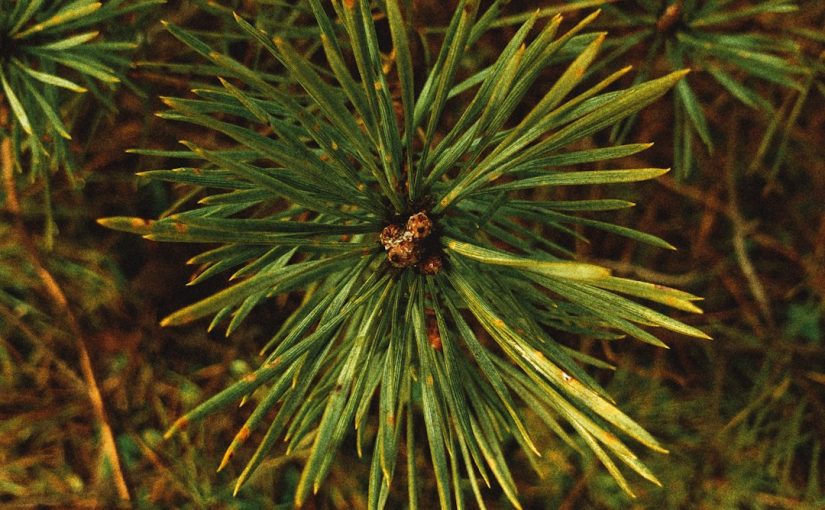
Homeowners often grapple with the question of how to maintain a lush, green lawn, especially when it shares space with majestic pine trees. A common concern that frequently arises is whether the fallen pine needles pose a threat to the underlying grass. The belief that pine needles can kill grass, primarily due to their perceived acidity, is widespread, yet often misunderstood. This article aims to delve into the science behind this common garden query, exploring the true impact of pine needles on your lawn. We will examine the role of acidity, discuss other potential factors like smothering and nutrient dynamics, and provide practical advice for coexisting with pine trees while preserving the health of your turf. Understanding these elements is key to debunking myths and adopting effective lawn care strategies.
The acidity myth: Unpacking pH levels
The most persistent belief surrounding pine needles and grass health is that pine needles significantly acidify the soil, rendering it inhospitable for most turfgrasses. It’s true that fresh pine needles are indeed acidic, typically registering a pH between 3.5 and 4.5. This pH level is quite low and could be detrimental to many plants if directly applied in large quantities to the root zone. However, the critical distinction lies in what happens as these needles decompose. Once pine needles fall and begin to break down, microorganisms in the soil work to decompose them. During this process, their pH tends to neutralize, approaching a range closer to 6.0 to 6.5, which is only slightly acidic or even near-neutral.
Furthermore, most soils possess a natural buffering capacity, meaning they can resist changes in pH. Unless your soil is already highly sensitive or you’re applying an enormous, compacted layer of fresh pine needles year after year without any disturbance, the impact on overall soil pH is usually negligible and temporary. While some grass varieties are more sensitive to pH fluctuations than others, the gradual decomposition and the soil’s inherent properties often mitigate significant long-term shifts. It’s important to remember that a truly acidic soil environment harmful to grass typically requires more than just a scattering of pine needles.
To put this into perspective, here is a general overview of ideal pH ranges for some common grass types:
| Grass type | Ideal pH range | Acidity tolerance |
|---|---|---|
| Kentucky bluegrass | 6.0 – 7.0 | Moderate |
| Perennial ryegrass | 6.0 – 7.0 | Moderate |
| Tall fescue | 5.5 – 6.5 | Good |
| Fine fescue | 5.0 – 6.5 | Very good |
| Zoysiagrass | 6.0 – 7.0 | Moderate |
| Bermuda grass | 6.0 – 7.0 | Moderate |
The real culprits: Smothering and nutrient competition
If not acidity, then what truly poses a threat to grass under pine trees? The primary issues are far more physical and direct: smothering and nutrient competition. When pine needles accumulate in a thick, dense layer over the grass, they effectively create a barrier. This barrier prevents essential resources from reaching the grass blades. Sunlight, which is vital for photosynthesis, is blocked, leading to starvation and eventual death of the grass. Air circulation is also restricted, creating a humid environment that can encourage fungal diseases and further weaken the turf. Moreover, a dense layer of needles can impede water penetration to the soil while simultaneously holding moisture on the surface, which is detrimental to many turfgrasses.
Beyond physical blockage, nutrient competition plays a significant role. Pine needles, like all organic matter, contain carbon. When they decompose, soil microorganisms consume nitrogen from the soil to facilitate the breakdown of this high-carbon material. This process, known as nitrogen immobilization, temporarily depletes the available nitrogen in the topsoil. Grass, particularly during active growth periods, requires ample nitrogen for healthy development. If a large volume of pine needles is constantly decomposing in the root zone, the temporary nitrogen deficit can stunt grass growth, weaken its vigor, and make it more susceptible to other stresses, effectively killing it not directly, but through starvation and reduced resilience. This is a common issue with large accumulations of any high-carbon organic material, not just pine needles.
Grass resilience and soil health
Understanding how grass reacts to its environment is crucial for effective lawn management. A healthy, well-established lawn possesses a remarkable degree of resilience. A thin scattering of pine needles, far from being detrimental, can actually offer some benefits. Much like a light mulch layer, a modest amount of pine needles can help conserve soil moisture by reducing evaporation, regulate soil temperature by insulating the ground, and even suppress weed growth by blocking light to weed seeds. In these conditions, the grass beneath can often thrive, incorporating the decomposing needles as a source of organic matter, which gradually improves soil structure and fertility over time.
The overall health of your soil is perhaps the most significant factor in determining your lawn’s resilience to pine needle accumulation. Soil that is rich in organic matter, well-aerated, and has a balanced nutrient profile provides an ideal environment for strong root development. Strong roots enable grass to access nutrients and water more efficiently, making it more tolerant to environmental stresses, including minor pH fluctuations or temporary nutrient tie-ups. Conversely, compacted, nutrient-poor, or waterlogged soil will result in weak grass that succumbs easily to even a moderate layer of pine needles. Therefore, focusing on fundamental soil health through regular aeration, proper fertilization, and ensuring good drainage can significantly bolster your lawn’s ability to coexist happily with nearby pine trees.
Best practices for managing pine needles in your lawn
Maintaining a healthy lawn in the vicinity of pine trees requires proactive and consistent management, rather than succumbing to the myth that their needles are inherently deadly. The most effective strategy involves regular removal of significant accumulations. Raking is perhaps the simplest and most traditional method. A light raking in the fall can prevent thick mats from forming over winter, and a more thorough raking in early spring will clear away any remaining debris, allowing sunlight and air to reach the emerging grass blades. The frequency will depend on the density of your pine trees and the amount of needle drop.
Another excellent approach for lighter layers is to mow over the needles. Using a mulching mower can chop the needles into smaller pieces, which then decompose much more rapidly. This helps to reduce their smothering effect and speeds up the process of nutrient release, returning valuable organic matter to the soil. However, this method is only suitable for thin layers; attempting to mulch heavy accumulations will still suffocate the grass and could even clog your mower. For larger quantities of needles, consider adding them to your compost pile. Composting allows the needles to fully break down, neutralizing their initial acidity and creating a rich, beneficial soil amendment that can be safely used throughout your garden, including on your lawn, without fear of adverse pH effects.
Finally, don’t overlook the importance of soil testing. If you have concerns about your soil’s pH or nutrient levels, especially if you consistently observe stressed grass around pine trees, a professional soil test can provide precise data. This allows you to apply targeted amendments, such as lime to raise pH if genuinely needed, or specific fertilizers to address nutrient deficiencies, ensuring your lawn receives exactly what it requires for optimal health and resilience.
In conclusion, the direct answer to whether pine needles kill grass is nuanced: they do not inherently kill grass through acidity alone. While fresh pine needles are acidic, their impact on soil pH is generally temporary and minor, especially in established lawns with good soil buffering capacity. The real threats to your lawn come from the physical smothering caused by thick layers of needles, which block sunlight, air, and water, and from temporary nutrient competition during their decomposition. A dense blanket of needles can undeniably suffocate grass and starve it of essential nitrogen, leading to decline or death. However, a light scattering can even offer beneficial mulching effects, improving soil moisture and temperature regulation.
The key to a thriving lawn near pine trees lies in proactive management and fostering overall soil health. Regular raking, mowing over light accumulations to mulch them, or composting larger quantities are effective strategies to prevent the negative impacts of smothering and nutrient depletion. By understanding these dynamics and implementing consistent lawn care practices, you can successfully maintain a vibrant, green turf alongside your pine trees. The objective is not to eliminate pine needles entirely, but to manage their presence thoughtfully, ensuring they contribute positively to your garden ecosystem rather than becoming a detriment to your grass.
Image by: Vladyslav Lomakovych