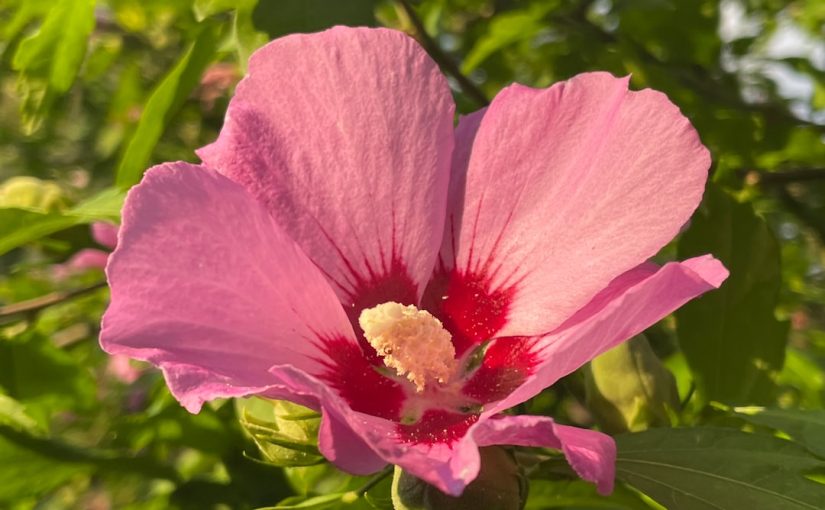
For many garden enthusiasts, the vibrant, showy blooms of hibiscus are a true summer delight. Whether gracing a tropical landscape or adding a splash of color to a temperate garden, these magnificent flowers bring an undeniable charm. But as the individual blooms fade, a common question arises among cultivators: “Do you deadhead hibiscus flowers?” The practice of deadheading—removing spent blossoms—is a time-honored tradition for many flowering plants, believed to encourage more blooms and maintain plant vigor. However, the unique growth habits and bloom cycles of different hibiscus varieties mean the answer isn’t a simple yes or no. This article will delve into the nuances of deadheading hibiscus, exploring its benefits, methods, and whether it’s truly essential for your specific plant.
The gentle art of deadheading: Understanding its role for hibiscus
Deadheading is essentially the removal of faded, wilted, or dead flowers from a plant. The primary motivations behind this horticultural practice are multifaceted. Firstly, it’s an aesthetic choice, keeping the plant looking tidy and preventing unsightly decaying blooms from detracting from its overall beauty. More importantly, deadheading plays a crucial role in redirecting the plant’s energy. When a flower fades, the plant typically shifts its resources towards producing seeds. By removing these spent blooms before seeds can fully form, gardeners aim to trick the plant into producing more flowers, rather than investing energy in reproduction. For many plants, this results in a longer, more prolific blooming season. Hibiscus, however, presents an interesting case. Many of its stunning varieties, particularly the popular tropical types, produce flowers that last only a single day. This rapid turnover might lead one to question the necessity of constantly removing individual spent blooms, prompting a closer look at its specific benefits for these unique plants.
Tropical hibiscus: Pinching for prolific blooms and pristine appearance
When it comes to tropical hibiscus (Hibiscus rosa-sinensis), the dazzling beauties often seen in warm climates or as potted plants indoors, deadheading is largely a beneficial practice, even if not strictly essential for survival. Their individual flowers are fleeting, typically opening in the morning and wilting by evening. While the plant will naturally shed these spent blooms, actively deadheading offers several advantages. Aesthetically, promptly removing the shriveled, brown flowers keeps the plant looking fresh and vibrant, highlighting the new, developing buds rather than the decaying past. From a plant health perspective, deadheading encourages the plant to channel its energy into producing more of those coveted new flowers rather than attempting to form seeds. Although many modern tropical hibiscus hybrids are less prone to setting viable seeds, any effort directed towards seed production is energy diverted from blooming. Furthermore, removing decaying plant matter can help prevent the buildup of moisture and potential breeding grounds for pests or fungal issues. The process is simple: gently pinch or snip off the spent flower just below its base, where it meets the stem, or at the nearest leaf node, being careful not to damage any emerging new buds.
Hardy hibiscus and rose of sharon: Tidy plants and managing self-seeding
For other popular hibiscus varieties, such as the hardy hibiscus (Hibiscus moscheutos), known for its dinner-plate-sized blooms, and the shrub-like Rose of Sharon (Hibiscus syriacus), the importance of deadheading shifts slightly. Hardy hibiscus are vigorous re-bloomers, producing a succession of large flowers throughout the summer. While deadheading these impressive blossoms can improve the plant’s appearance by removing large, often soggy, spent flowers, it’s generally less critical for encouraging additional bloom production compared to tropical types. However, a significant benefit of deadheading hardy hibiscus is the prevention of self-seeding. These plants can produce numerous seed pods, and if left unchecked, they will readily drop seeds, leading to a profusion of unwanted seedlings in your garden beds. Similarly, the Rose of Sharon, a popular deciduous shrub, also benefits from deadheading primarily for aesthetic purposes and to manage its prolific self-seeding habit. Rose of Sharon blooms on new wood, so removing spent flowers doesn’t significantly impact the current season’s flower quantity, but it prevents the plant from expending energy on abundant seed production and keeps the garden tidier. For both hardy hibiscus and Rose of Sharon, the technique remains the same: snip or pinch off the faded flower and its developing seed pod.
Optimal techniques and the bigger picture for hibiscus health
To deadhead your hibiscus effectively, timing is key. The ideal moment is as soon as you notice a flower beginning to fade or wilt. You can use clean, sharp pruning shears for larger stems or simply pinch off the spent bloom with your fingers. Always make sure your tools are sanitized to prevent the spread of any potential diseases. When removing the flower, aim to snip or pinch just below the spent blossom, taking care not to remove any small, developing flower buds nearby. While deadheading offers clear advantages, it’s important to view it as one component of a holistic care regimen for your hibiscus. Other factors contribute significantly to their health and blooming success, often more so than deadheading alone.
Consider the following comparison:
| Hibiscus Type | Primary Bloom Duration | Deadheading Necessity | Main Benefits |
|---|---|---|---|
| Tropical (H. rosa-sinensis) | 1 day | Highly Recommended | Aesthetics, energy conservation, encourages more blooms |
| Hardy (H. moscheutos) | 1-2 days | Beneficial (Optional) | Aesthetics, prevents self-seeding |
| Rose of Sharon (H. syriacus) | ~1 day | Optional | Aesthetics, prevents excessive self-seeding |
Ensuring adequate sunlight, consistent watering, appropriate fertilization, and seasonal pruning for shape and size are often more impactful on overall bloom production and plant vigor. Deadheading works synergistically with these practices, contributing to a plant that looks its best and performs optimally. Regular inspection during deadheading also provides an opportunity to spot any early signs of pests or diseases, allowing for timely intervention.
In conclusion, the decision to deadhead your hibiscus flowers is largely dependent on the variety you’re growing and your gardening goals. For tropical hibiscus, the practice is highly recommended for maintaining aesthetic appeal and encouraging a continuous display of their short-lived, spectacular blooms. By removing spent flowers, you effectively redirect the plant’s energy towards producing more blossoms rather than forming seeds, leading to a more vibrant and prolific flowering season. For hardy hibiscus and Rose of Sharon, deadheading becomes more of an optional task, primarily benefiting the plant by enhancing its neat appearance and, more importantly, preventing excessive self-seeding, which can quickly lead to an overcrowded garden. While not always critical for bloom production in these vigorous varieties, it’s a simple step that contributes to overall garden tidiness and plant management. Ultimately, deadheading is a beneficial, low-effort practice that, when combined with proper watering, feeding, and pruning, ensures your hibiscus remains a stunning focal point in your landscape, delighting you with its magnificent flowers season after season.
Image by: Bernd 📷 Dittrich