The radiant beauty of an orchid gracing your home is a source of immense joy for many plant enthusiasts. However, like all living things, orchids have their own life cycles and expressions of health, or sometimes, distress. One common sight that often prompts a moment of hesitation, and perhaps a question to the internet, is a yellowing orchid stem. It’s a critical juncture for any orchid parent: do you reach for the pruning shears, or is it a sign to simply observe and wait? This seemingly straightforward question unlocks a deeper understanding of orchid physiology, proper care techniques, and the delicate balance required to ensure your beloved plant thrives. Understanding the nuances behind a yellowing stem is key to becoming a confident and successful orchid grower.
Understanding yellowing orchid stems
When an orchid stem, also known as a spike, begins to turn yellow, it’s natural to feel a pang of concern. However, this change isn’t always a cause for alarm. The primary reason for a yellowing spike is often simply its natural life cycle concluding. After an orchid has finished blooming from a particular spike, the plant reabsorbs nutrients from that stem, causing it to gradually turn yellow, then brown, and eventually dry out. This is a perfectly normal process, signaling that the plant is conserving energy and preparing for a new growth cycle, potentially including new spikes or leaves.
However, yellowing can also be an indicator of underlying issues. Environmental stressors play a significant role. Overwatering, a common mistake, can lead to root rot, which in turn starves the plant of nutrients and water, causing leaves and spikes to yellow. Conversely, severe underwatering can also stress the plant, leading to similar symptoms. Sudden temperature changes, exposure to cold drafts, or insufficient light can also contribute to a spike turning yellow prematurely. Less commonly, but still important to consider, are nutrient deficiencies or pest infestations that weaken the plant, making it shed its spike as a survival mechanism. It’s crucial to observe the entire plant – its leaves, roots, and growing medium – to accurately diagnose the cause of yellowing beyond simple post-bloom decline.
The art of pruning spent orchid spikes
Once you’ve determined that your orchid’s yellowing spike is indeed spent and not a symptom of distress, the next step is pruning. Knowing when and where to cut is vital for the plant’s health and future blooms. The general rule of thumb for a spike that has completely turned yellow or brown and feels dry is to cut it all the way back. This means making a clean cut as close to the base of the plant as possible, without damaging any surrounding leaves or roots.
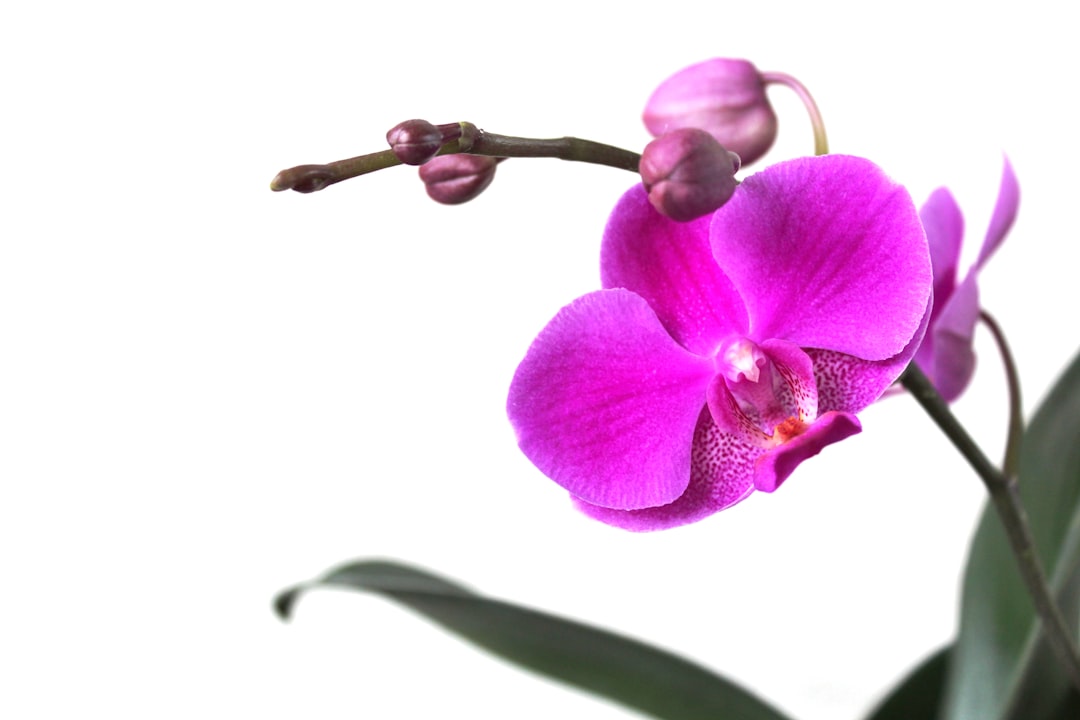
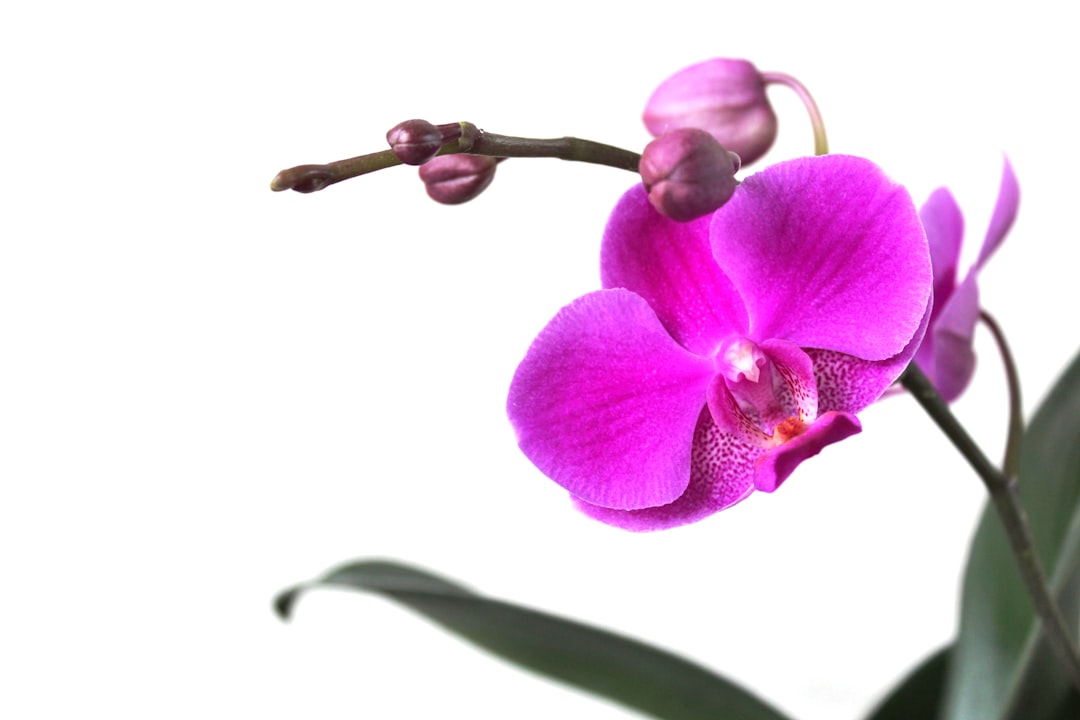
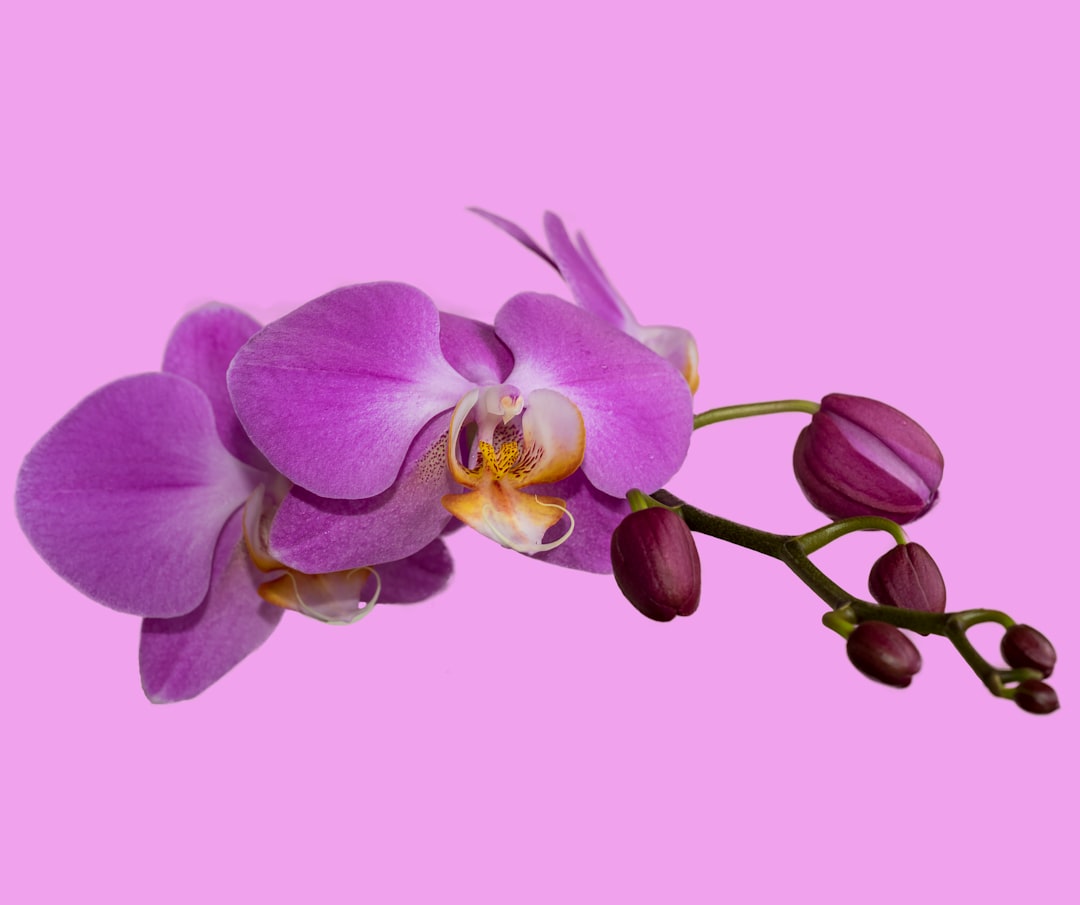
There are instances, particularly with Phalaenopsis orchids, where a spike might only partially yellow or remain green after blooming. If the spike is still green and firm, there’s a possibility it could rebloom from an existing node. In such cases, you might choose to cut the spike just above a visible node (the small, dormant bumps along the stem), typically the second or third node from the bottom. This encourages the plant to put energy into developing a new flower spike from that node. However, for a fully yellowed, shriveled, or brown spike, this option is no longer viable, and a full cut back is the best course of action. Always use sterilized tools – such as sharp scissors or pruning shears – to prevent the introduction of diseases to the plant. A simple wipe with rubbing alcohol before and after use is sufficient.
Here is a guide to common yellowing scenarios and recommended actions:
| Yellowing Stage | Appearance | Recommended Action | Reasoning |
|---|---|---|---|
| Fully Yellow/Brown & Dry | Entire spike shriveled, brittle, and uniform yellow/brown color. | Cut entirely at the base. | Spike is fully spent; plant has reabsorbed all nutrients. |
| Partially Yellow/Green | Tip of spike yellowing, but lower sections remain green and firm. | Cut above a viable node or observe. | Potential for rebloom from a lower node; observe for further yellowing. |
| Sudden, Soft Yellowing | Spike turns yellow quickly, often accompanied by soft, squishy texture or other plant distress. | Inspect plant for root rot, pests, or disease; address underlying issue. | Sign of significant stress or health problem, not natural decline. |
When to hesitate before cutting a yellowing stem
While cutting a fully spent, dry yellow spike is straightforward, there are situations where caution and patience are warranted. If an orchid spike is only partially yellowing, especially if the yellowing is confined to the tip while the lower portions remain green and plump, it’s wise to hesitate before making a cut. This partial yellowing might indicate that the plant is simply withdrawing nutrients from the uppermost section, or it might be undergoing a temporary stress response. In these cases, observe the spike over several days or even a week. The yellowing might progress, confirming it’s entirely spent, or it might stabilize, indicating a potential rebloom from a lower node. Prematurely cutting a partially green spike could prevent the orchid from generating new blooms.
Furthermore, if the yellowing of the stem is sudden, rapid, and accompanied by other signs of distress, such as limp leaves, wrinkled pseudobulbs (in sympodial orchids), or visible root problems, simply cutting the stem will not solve the underlying issue. In such scenarios, the yellowing spike is a symptom, not the problem itself. Instead of immediately pruning, focus your attention on diagnosing the core issue. Check the roots for signs of rot (mushy, black, or hollow roots) or dehydration (dry, shriveled roots). Examine the leaves for pests or signs of fungal or bacterial infections. Addressing these root causes – adjusting watering schedules, improving drainage, providing adequate light, or treating pests – will be far more beneficial to your orchid’s long-term health than a hasty snip.
Beyond the cut: promoting new growth and health
Once you’ve made the informed decision to cut a yellowed orchid stem, the journey to a thriving plant doesn’t end there; it merely shifts focus. Post-pruning care is crucial for encouraging new growth and ensuring your orchid’s overall vitality. After cutting, it’s important to maintain optimal environmental conditions. This includes providing the right amount of light – generally bright, indirect light – consistent humidity, and appropriate temperatures. Avoid placing your orchid in direct sunlight, which can scorch its leaves, or in overly cold or drafty areas, which can stress the plant and inhibit new growth.
A balanced watering regimen is paramount. Allow the potting medium to dry out slightly between waterings, but don’t let it become bone dry for extended periods. The frequency will depend on your specific orchid type, potting medium, and environmental conditions. Fertilization also plays a critical role in replenishing nutrients and supporting the energy demands of developing new leaves, roots, and eventually, new flower spikes. Use a diluted, balanced orchid fertilizer according to the product’s instructions, typically every two to four weeks during the active growing season. Regular inspection of your plant for any signs of pests or diseases will also help you catch potential problems early, preventing them from hindering your orchid’s recovery and future blooming cycles. By providing consistent, thoughtful care, you set the stage for your orchid to flourish and grace your space with its magnificent blooms once more.
Navigating the question of whether to cut a yellow orchid stem boils down to careful observation, understanding the plant’s natural life cycle, and distinguishing between a healthy process and a distress signal. We’ve explored that while natural aging and the conclusion of a bloom cycle are common reasons for a stem to turn yellow and warrant a clean cut, abrupt or partial yellowing often points to underlying environmental stressors or health issues that demand your attention first. The art of pruning isn’t just about wielding shears; it’s about making informed decisions based on the plant’s overall health and the specific stage of the stem’s yellowing. From sterilizing your tools to knowing precisely where to cut, each step contributes to your orchid’s well-being and its potential for future reblooming. Remember, the journey doesn’t end with a snip; rather, it transitions into a period of dedicated aftercare, focusing on optimal lighting, watering, humidity, and nutrition to invigorate your plant for its next spectacular display. Embrace patience, observe diligently, and provide consistent care, and your orchids will reward you with their enduring beauty.
Image by: Malik Khalid